
How to Extend Your Whirlpool Refrigerator Door Shelf Life — 2187172 Maintenance Guide
Never overload door bins beyond 15 pounds. Overfilled bins can crack suddenly, spilling contents and potentially damaging the door liner or causing injury.
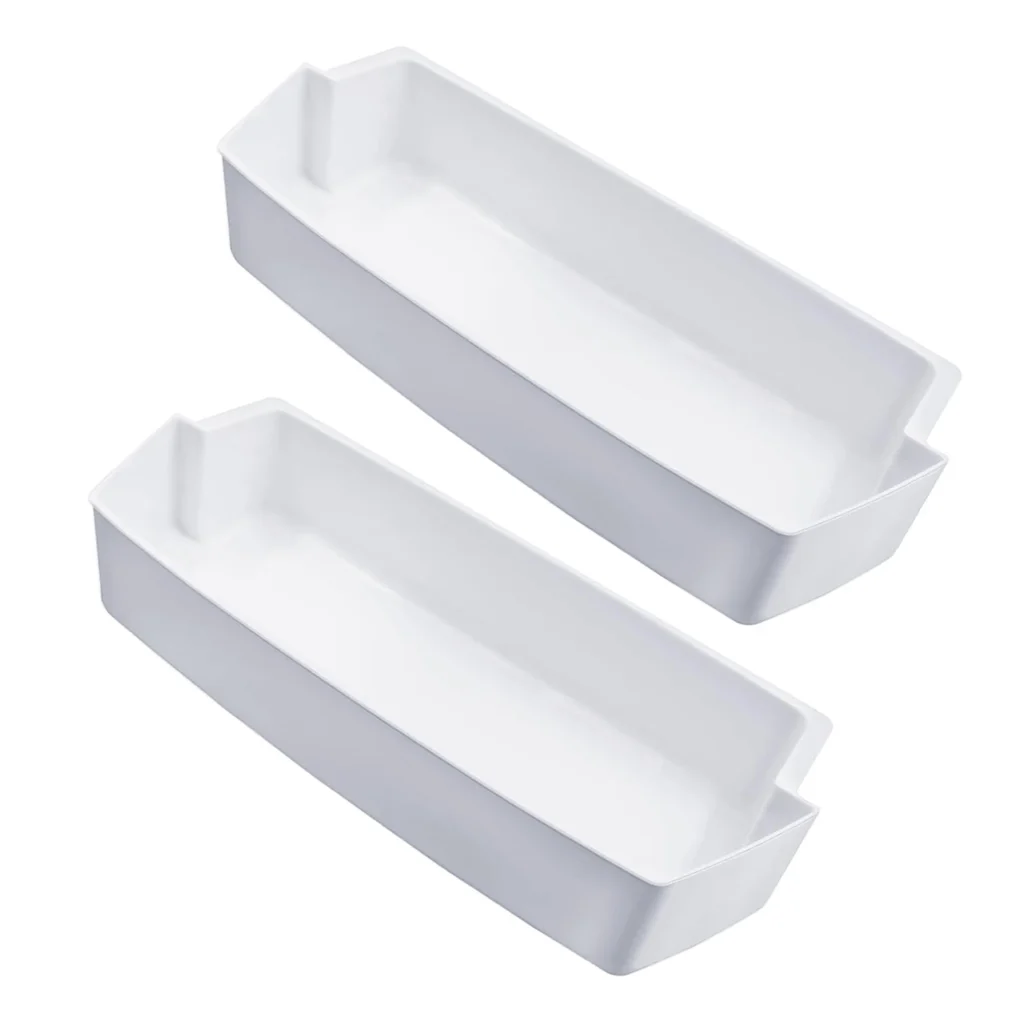
Most refrigerator door shelves should last 8-10 years, but if you're like most people, yours won't make it past 5. Why? Because those door bins take more abuse than any other part of your fridge — constant opening, slamming, overloading with heavy condiment jars, and temperature swings every time someone stands there deciding what to eat.
The 2187172 door shelf bin fits Whirlpool, Kenmore, Amana, and Maytag side-by-side models like the ED5KVEXVQ00, ASD2575BRW00, and dozens of others. It's a simple plastic component, but treat it right and you'll avoid that $25-40 replacement cost for years longer than expected.
How Long Should It Last?
Under normal use, this door bin should give you 8-10 years. But here's what actually happens: most people overload them, especially the gallon-size bins on the bottom. That constant stress on the mounting tabs causes micro-cracks that eventually become full breaks.
Temperature matters more than you'd think. Every time you open the door, that bin goes from 37°F to room temperature and back. After thousands of cycles, the plastic becomes brittle — especially if your kitchen gets hot in summer.
With proper care, you can push these to 12-15 years. I've seen bins from the late 2000s still going strong because the owners followed some basic guidelines.
Signs It's Wearing Out
Don't wait for catastrophic failure. Here's what to watch for:
The Bin Doesn't Sit Level Anymore
If one side sits lower than the other, the mounting tabs are starting to wear. You'll notice bottles leaning to one side. This happens gradually, but once you see it, you've got maybe 6 months before it cracks completely.
Leaking Along the Bottom Edge
See moisture pooling under the bin? The seal between the bin and door has degraded. This isn't just annoying — that water can leak into the door insulation, causing bigger problems. Check the corners where the plastic meets — any gaps or separation mean the structural integrity is compromised.
The Door Won't Close Properly
If your door won't shut all the way or pops back open slightly, an overstuffed or warped door bin might be the culprit. The bin pushes against items on the main shelves, preventing a full seal. You'll hear your compressor running more often trying to maintain temperature.
Basic Maintenance That Actually Works
Here's the thing: most people never clean these properly. They wipe them down with a damp cloth maybe twice a year. That's not maintenance.
Once a month, pull the bin completely out. Wash it with warm soapy water — not just the inside, but the mounting tabs on the back. Food residue and sticky spills create stress points where cracks start. Dry it completely before reinstalling.
Check the weight you're putting in there. The 2187172 is rated for about 15 pounds, but consistently maxing that out shortens its life. If you're storing gallon milk jugs, rotate them to the main shelf when they're full and only put them in the door when they're half-empty.
Every six months, inspect those mounting tabs. Look for hairline cracks, whitening of the plastic (stress marks), or any flex when you press on them. Catch problems early and you can baby it along for another year or two.
When to Replace vs Maintain
If you've got visible cracks longer than a quarter-inch, stop trying to save it. One reviewer mentioned their replacement "fit like it should" and arrived fast — that's because OEM parts like the 2187172 are exact matches. A cracked bin will fail completely, usually when it's full of expensive condiments that'll shatter on your kitchen floor.
But if it's just stained or slightly warped? Keep maintaining it. Plastic bins can last decades if the structure is still sound. Don't replace just for cosmetics.
Temperature stress is cumulative. If you live somewhere with extreme seasonal swings, your bins age faster. A bin in Arizona might last 6 years; the same bin in Minnesota might go 12.
Frequently Asked Questions
Can I Put Heavy Items Like Gallon Jugs in the Door Bin?
Technically yes, but not when they're full. A gallon of milk weighs 8.6 pounds — add other items and you're pushing the weight limit. Store heavy items on main shelves and use door bins for lighter condiments, butter, and smaller bottles. Your bins will last twice as long.
Why Is My Door Bin Leaking When There's No Visible Crack?
The plastic can develop micro-fractures you can't see, especially at stress points near the mounting tabs. Also check if the bin has warped slightly — even a 1-2mm bow can create gaps where liquids seep through. If cleaning doesn't fix it, it's time for a replacement before the leak damages your door insulation.
How Do I Know If the Replacement Part Will Fit My Model?
The 2187172 fits specific Whirlpool, Kenmore, Amana, and Maytag side-by-side models including ED5KVEXVQ00, ASD2575BRW00, ASD2522WRW03, and many others. Check your model number (usually inside the fridge on the left wall) against the compatibility list. As one customer noted, finding the exact part is quick and easy when you have your model number ready — and it "fits perfectly" when you order the right one.
Element showing wear?
2187172 · Replace before it fully fails