
How to Extend Your Tumble Dryer Belt Life — Maintenance Guide for 144001958
Always unplug the dryer before inspecting or working near the belt. A dryer that starts unexpectedly can cause serious hand injuries. Allow the dryer to cool completely if it's been running — the motor and pulleys can be hot enough to burn skin.
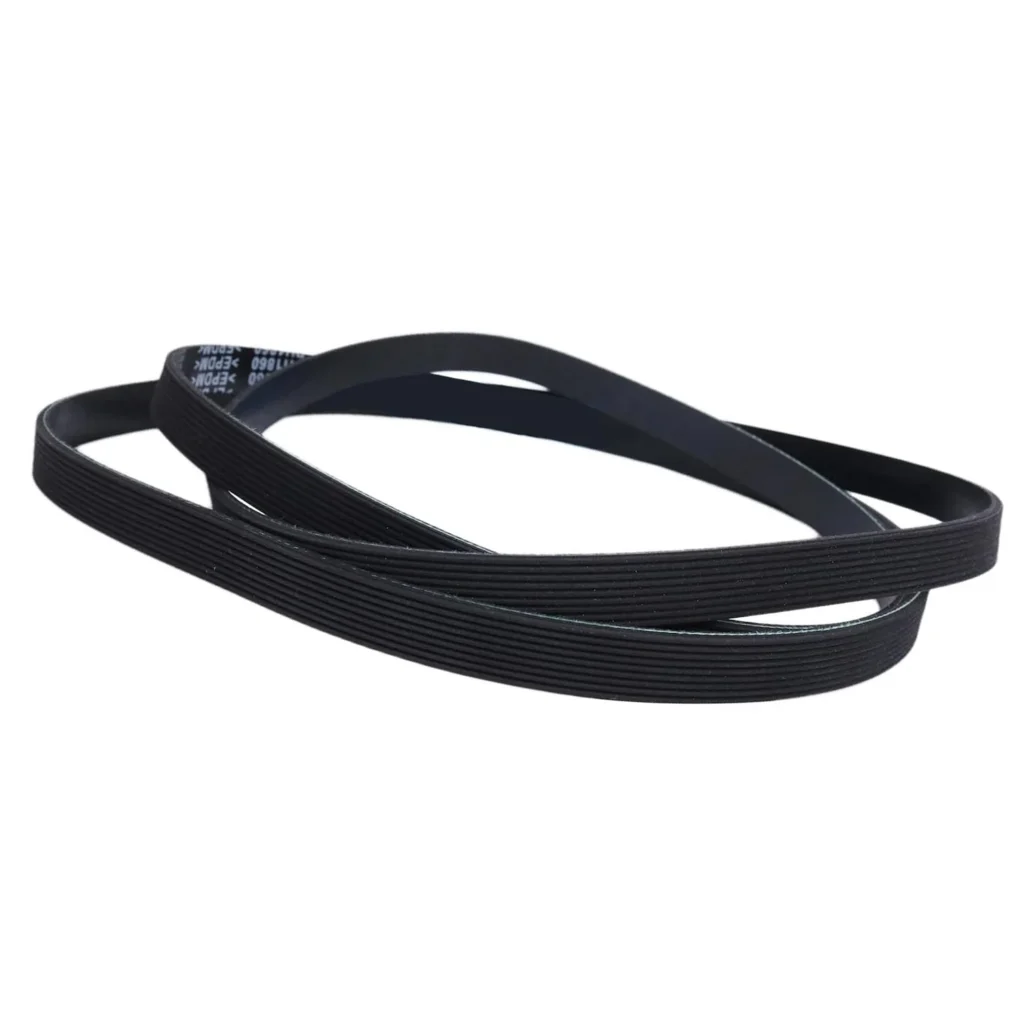
Most tumble dryer belts like the 144001958 should last 8–10 years, but I've seen them fail in under three. The difference? How the dryer's been used and maintained. A belt that costs under $20 to replace can leave you with a $200 repair bill if you wait too long and it damages the motor or drum bearings.
How Long Should Your 9PHE 1860 Belt Last?
The 144001958 is a 9PHE 1860 profile belt — that's a poly-V design with 9 ribs that grip the motor pulley and drum. Under normal conditions, you're looking at:
- Average lifespan: 7–10 years with regular use (3–4 loads per week)
- Heavy use: 4–6 years (daily loads, large families)
- With proper maintenance: 10–12 years or more
What shortens belt life? Overloading the drum, running the dryer with worn drum bearings (creates extra friction), and letting lint build up around the motor and pulleys. That last one's huge — lint acts like sandpaper on the belt surface.
Signs Your Belt Is Wearing Out
Catch these early and you'll replace the belt on your schedule, not when you've got a wet load and a dead dryer.
Squealing During Startup
If your Hotpoint, Indesit, or Creda dryer squeals for the first 10–15 seconds after you start it, the belt's glazed or losing grip. It'll get worse over time. The poly-V ribs wear smooth and slip on the pulleys before they catch. This is your 3–6 month warning.
Drum Turns Slowly or Hesitates
When you spin the drum by hand (dryer unplugged), it should rotate easily with just slight resistance. If it's stiff or the belt looks loose when you peek inside, the belt's stretched. Once a poly-V belt stretches beyond about 2–3%, it won't tension properly and you'll get slippage.
Burning Rubber Smell
This one's obvious but often ignored. If you smell hot rubber during or after a cycle, the belt's slipping badly and generating heat. Don't run another load — you're risking motor damage. Check the belt within the week.
Visible Cracks or Fraying
Pull the top or front panel (depending on your model) and inspect the belt surface. Look for cracks across the ribs, frayed edges, or shiny spots where the rubber's worn smooth. Any of these mean replacement time.
Maintenance Schedule That Actually Works
Here's what keeps a dryer belt running past its expected lifespan:
After Every 10–12 Loads
Clean the lint filter — yeah, I know, obvious. But also vacuum around the drum opening where lint accumulates. Use a crevice tool to get the lint that escapes the filter. This stuff works its way down to the belt and pulleys.
Every 3 Months
Vacuum the motor compartment. On Hotpoint models like the TVM560G or TVF770P, you'll access this from the back panel. Remove 4–6 screws, pull the panel, and vacuum everything you can reach. Pay attention to the motor pulley and idler wheel — lint buildup here causes uneven belt wear.
Every 6 Months
Inspect the belt tension. Unplug the dryer, remove the access panel, and press down on the belt midway between pulleys. You should get about 1/2 inch of deflection. More than that and the belt's stretching. Also spin the idler pulley by hand — it should rotate smoothly without grinding.
Annually
Deep clean the entire vent system from dryer to exterior. A restricted vent makes the dryer work harder, runs hotter, and puts extra load on the belt. I've seen belts fail in half the expected time just from poor venting.
When to Replace vs Maintain
Be honest about condition. If the belt shows any cracks, has shiny worn spots, or you're hearing squealing regularly, just replace it. The 144001958 fits dozens of Hotpoint, Ariston, Indesit, and Creda models (TVM series, TVF series, VTD series), and it's cheap insurance.
Maintenance makes sense when the belt's still in good shape — no visible wear, no noises, good tension. You're preventing problems, not fixing them.
If you're also noticing the drum's hard to turn even with a new belt, that's drum bearings or seized rollers. Don't just throw a belt at it — you'll burn through the new one in months.
What Kills Belts Early
- Overloading: Stuffing the drum forces the belt to work harder on every rotation
- Running partial loads: Oddly, this can be worse — unbalanced drums create irregular stress
- Ignoring other worn parts: Bad drum bearings, seized idler pulleys, worn motor bushings
- Poor ventilation: Heat is the enemy of rubber. A clogged vent makes everything run hotter
- Stop/start cycles: Repeatedly stopping and restarting mid-cycle wears the belt faster than continuous runs
Frequently Asked Questions
Can I Use Any 1860mm Belt or Does It Have to Be the 144001958?
The length matters (1860mm/H9 size), but more importantly you need the 9PHE profile — that's 9 poly-V ribs with specific spacing. Generic flat belts or wrong rib counts won't grip properly. The 144001958 directly replaces C00145707 and 1703666, so any of those part numbers work. But match the profile exactly.
How Do I Know If It's the Belt or the Motor?
With the dryer unplugged, try spinning the drum by hand. If it turns easily but the dryer doesn't start, check if the motor hums. Motor hums + drum doesn't turn = broken belt. Motor silent = electrical issue. Drum very hard to turn = mechanical problem (bearings/rollers), not the belt.
Will a Worn Belt Damage My Dryer?
Yes. A slipping belt makes the motor work harder and run hotter, potentially shortening motor life. If the belt breaks completely, loose pieces can jam in the motor pulley or get sucked into the blower, causing expensive damage. Replace it when you see wear signs, don't wait for failure.
Element showing wear?
144001958 · Replace before it fully fails