
How to Extend Your Dryer Thermal Fuse Life — Maintenance Guide for 134711401
This is a one-time safety device. Once blown, it cannot be reset and must be replaced. Always unplug the dryer before servicing and identify why it failed before installing a replacement.
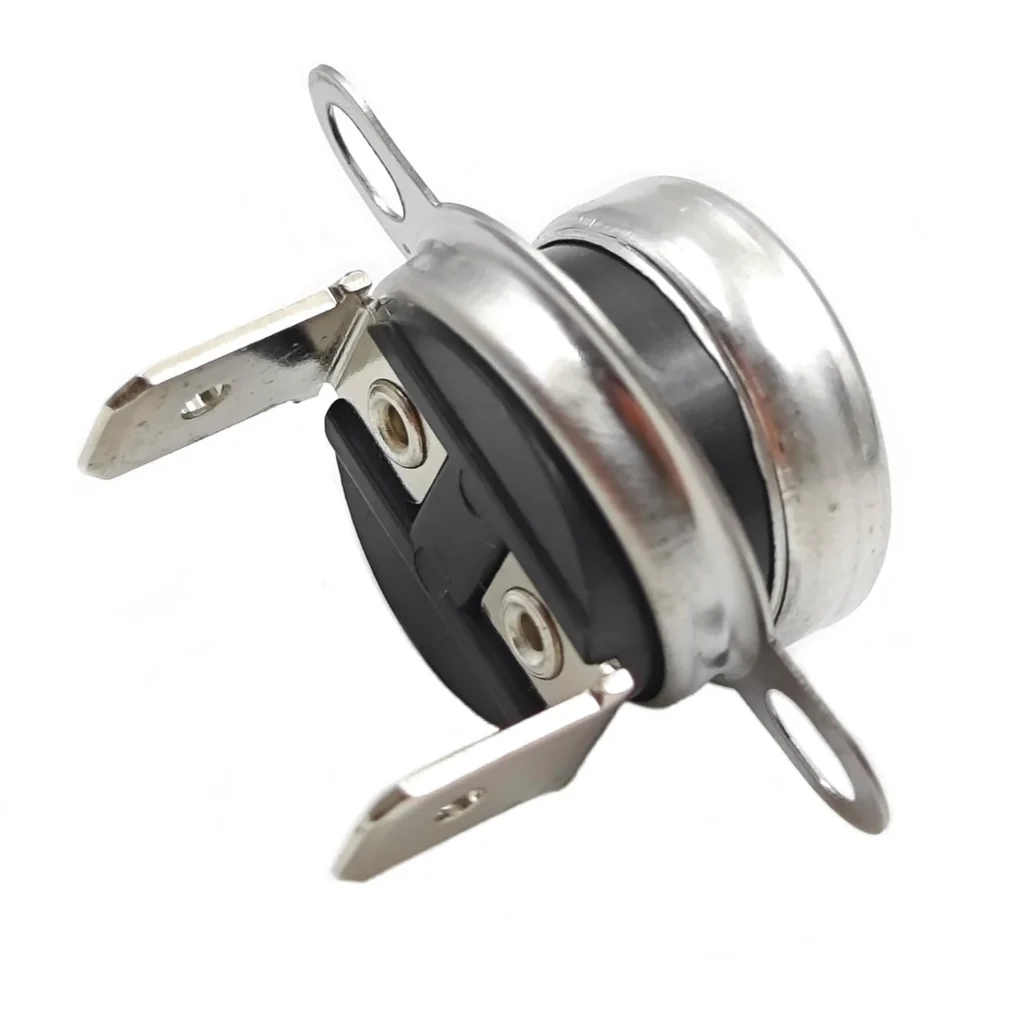
Here's a frustrating fact: the thermal fuse in your Frigidaire or Electrolux dryer (part 134711401) should outlast most other components—but it rarely does. It's designed as a safety device that blows when temperatures hit 185°F, which should be an extremely rare event. Yet it's one of the most-replaced dryer parts. Why? Because most thermal fuse failures aren't about the fuse itself—they're about everything happening around it.
I've replaced hundreds of these fuses in models like the FAQE7001LW0, EFME417SIW0, and BAQE7077KW0. In almost every case, the homeowner had no idea their dryer was slowly cooking itself until suddenly—nothing. No heat, or worse, no power at all. The good news? You can catch the warning signs early and dramatically extend this component's life.
How Long Should It Last?
Under ideal conditions, the 134711401 thermal fuse should last 15-20 years—basically the lifetime of your dryer. It's a one-time-use safety device that isn't supposed to blow unless something goes seriously wrong. Once it trips at 185°F, it's done. You can't reset it.
But here's reality: most fail within 5-8 years. Some blow within months of a previous replacement if the underlying issue isn't addressed. The fuse doesn't wear out from use—it fails because your dryer overheats, which happens when restricted airflow or a malfunctioning heating element forces temperatures past their safe threshold.
Think of it like the canary in the coal mine. When this fuse blows, it's telling you something else is wrong.
Signs It's Wearing Out (Or About to Blow)
The tricky thing about thermal fuses is they don't gradually wear out—they work perfectly until suddenly they don't. But your dryer will give you plenty of warnings that conditions are getting dangerous:
Dryer Takes Multiple Cycles to Dry Clothes
This is your earliest warning sign. If a normal load that used to take one cycle now needs two or three, your exhaust system is probably restricted. Hot, moist air isn't escaping properly, which means temperatures inside the dryer cabinet are climbing higher than they should. Your thermal fuse is working overtime to protect you.
Check your outdoor vent opening. Hold your hand there during a cycle—you should feel strong, consistent airflow. If it's weak or intermittent, you've got a blockage somewhere.
Dryer Shuts Off Mid-Cycle
Some Frigidaire and Electrolux models will shut down temporarily when temperatures spike, then restart when things cool. This is your thermostat cycling, trying to prevent the thermal fuse from blowing. If this happens more than occasionally, you're running on borrowed time.
Burning Smell or Extremely Hot Exterior
If you smell something burning (not just hot lint—actual burning), or if the top or sides of your dryer are too hot to touch comfortably, stop using it immediately. These are signs that your dryer is overheating to dangerous levels. The thermal fuse exists specifically to prevent fires in these situations, but it can only do its job once.
What Actually Kills This Part
The 134711401 thermal fuse fails when the dryer overheats due to restricted airflow or a malfunctioning heating element. Let me break down the two main killers:
Restricted exhaust venting accounts for about 80% of thermal fuse failures. Lint accumulates in the vent hose, the ductwork, or the outdoor vent hood. Sometimes dryer sheets create a waxy buildup that's nearly invisible but blocks airflow just as effectively. As airflow decreases, heat can't escape, temperatures spike, and—pop—there goes your fuse.
Heating element issues cause the other 20%. If the heating element cycles on but doesn't turn off properly (usually due to a failed cycling thermostat), temperatures climb unchecked until the thermal fuse sacrifices itself to cut power.
The Maintenance Schedule That Actually Prevents Failure
After every 10-15 loads: Clean your lint screen thoroughly. Not just the obvious lint—run it under water to check for waxy buildup from dryer sheets. If water pools on the screen instead of draining through immediately, scrub it with warm soapy water and an old toothbrush.
Every 3 months: Disconnect the vent hose from the back of your dryer and vacuum it out. Also vacuum inside the dryer's exhaust port. Use a dryer vent brush (looks like a giant bottlebrush) to reach deep into the ductwork.
Every 6 months: Go outside and inspect your exterior vent hood. Remove the cover and pull out any lint buildup. Make sure the flapper opens freely when the dryer runs. Bird nests and wasp nests love these spots—I've seen dozens of fuses blow because of critters.
Annually: Do a complete vent inspection. If your ductwork is longer than 15 feet or has multiple elbows, consider hiring a professional to clean it. Also check inside the dryer cabinet—pull the front or top panel (depending on your model) and vacuum around the heating element housing and blower wheel.
When to Replace vs Maintain
Here's the honest truth: if your thermal fuse has already blown, it's too late for maintenance. You have to replace it—there's no resetting a thermal fuse. But here's what you need to do before you even install the new one:
1. Find out why it blew. Check the entire exhaust path from dryer to outside. If you just replace the fuse without fixing the cause, you'll be back at square one in weeks or months.
2. Test the heating element and thermostats. Use a multimeter to verify the heating element has proper resistance and isn't grounded. Check that the cycling thermostat and high-limit thermostat are working correctly.
3. Inspect the blower wheel. Sometimes lint wraps around the blower wheel shaft, slowing it down and reducing airflow. A slow blower creates the same overheating conditions as a blocked vent.
If you replace the 134711401 fuse without addressing these issues, you're just putting a Band-Aid on a bullet wound. The new fuse will blow too.
The Real Cost of Neglect
At $19.99, the fuse itself is cheap. But here's what neglecting the maintenance actually costs you:
Service call: $120-200. That's assuming the tech just replaces the fuse. If they find the blocked vent or failed thermostat that caused it, add another $80-300 depending on what's needed.
Energy waste: A dryer running multiple cycles uses 2-3 times the electricity. Over a year, that's an extra $100-150 on your power bill.
Fire risk: The National Fire Protection Association reports 15,970 home fires per year caused by dryers, with failure to clean being the leading factor. Your thermal fuse is literally the last line of defense.
Frequently Asked Questions
Can I Test If My Thermal Fuse Is About to Fail?
Not directly—thermal fuses are binary devices. They either have continuity (working) or they don't (blown). However, you can monitor the conditions that lead to failure. Use an infrared thermometer to check your dryer's exterior temperature during operation. The top and sides should stay under 130°F. If you're seeing 150°F or higher, you've got an airflow problem that needs immediate attention.
Will Using Lower Heat Settings Protect My Thermal Fuse?
Not really. The thermal fuse trips at 185°F regardless of what heat setting you select. If your exhaust is blocked, the dryer will still overheat even on low or delicate settings—it'll just take longer. The heat setting controls how hot the element gets, but the thermal fuse responds to the overall cabinet temperature, which is determined by airflow, not your dial setting.
How Many Times Can I Replace This Fuse Before I Need to Replace the Dryer?
You can replace the fuse indefinitely—it's a simple part. But if you're replacing the same thermal fuse more than once every few years, your dryer has a serious underlying problem. After the second failure, you should have a professional diagnose the root cause. Sometimes the issue is a design flaw or deteriorating insulation in the heating element housing, which means the dryer is approaching end-of-life. Models like the BAQE7077KB0 and EFDC317TIW0 typically last 13-15 years with proper maintenance, so factor that into your repair-or-replace decision.
Element showing wear?
134711401 · Replace before it fully fails