
How to Extend Your Frigidaire Dryer Control Thermistor Life — Maintenance Guide
Always unplug the dryer before accessing internal components. The thermistor itself is low voltage, but nearby wiring carries 240V.
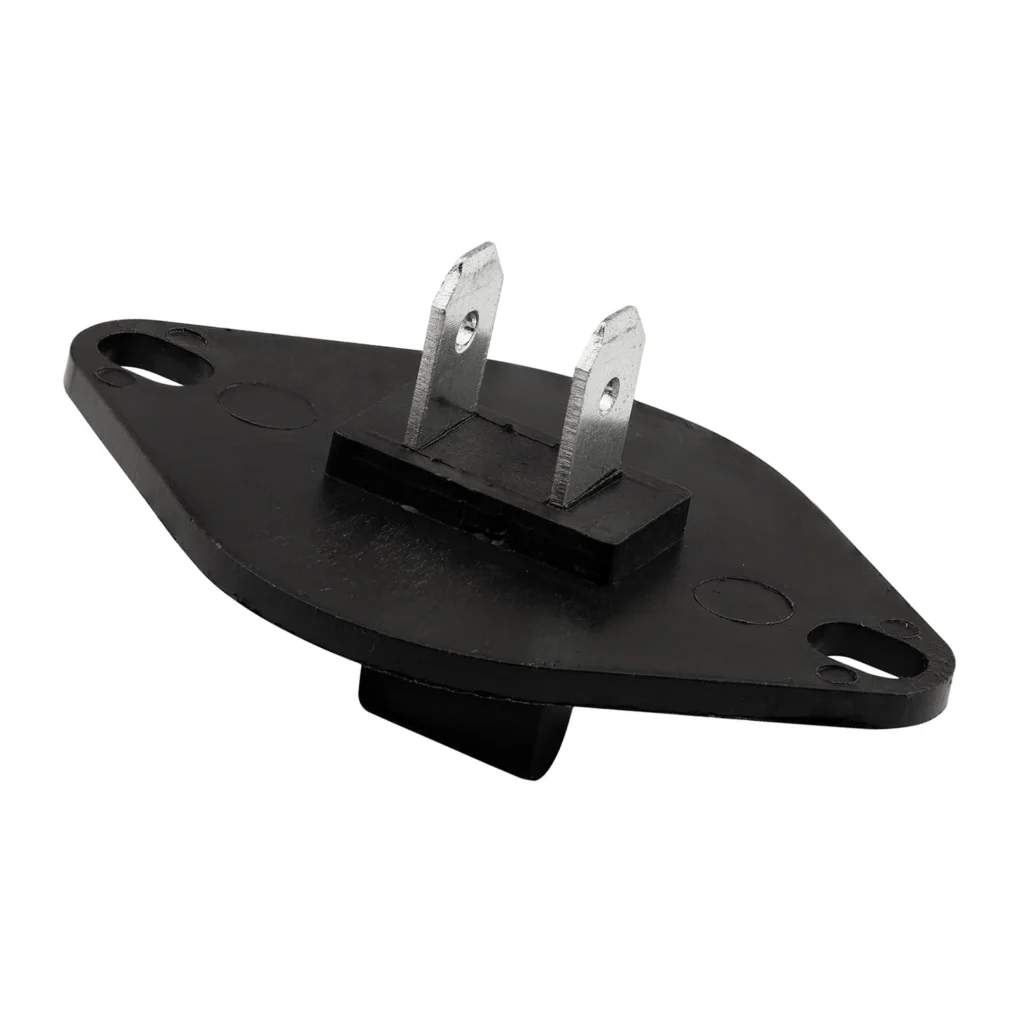
Most dryer control thermistors should last 8-12 years, but I see them fail at 3-5 years all the time. The difference? How hot your dryer actually runs. If your Frigidaire model AEQ7000ES or CAQE7001LW has been running too hot or suddenly stopped heating, there's a good chance this little temperature sensor (part 134587700) is either failing or has been subjected to conditions that'll shorten its life.
The control thermistor isn't like a heating element you can see wearing out. It's a resistor that changes its electrical resistance based on temperature — and when it drifts out of spec, your dryer either overheats or won't heat at all. Let's talk about keeping it working longer.
How Long Should It Last?
Under normal conditions, the 134587700 thermistor should give you 10-15 years of service. I've seen them last the life of the dryer in machines that run moderate loads with good airflow.
Here's what kills them early:
- Restricted airflow — When lint builds up in the vent or the blower wheel gets caked, the dryer runs hotter than designed. That thermistor sits right in the heat path, and excessive temperature degrades its accuracy over time.
- Voltage spikes — Power surges can damage the sensitive electronics this part communicates with, causing erratic readings.
- Moisture exposure — If you're venting into a garage or basement with poor ventilation, condensation can eventually corrode the connections.
- Overloading — Constantly stuffing the drum forces longer dry cycles at higher temps, aging the thermistor faster.
The thermistor itself doesn't really wear out mechanically — it fails electrically when its resistance values drift outside the 30,000-50,000 ohm range it needs to maintain across its operating temperature.
Signs It's Wearing Out
The control thermistor rarely gives you advance warning. It typically fails in one of two ways, and both show up suddenly:
Your Dryer Runs Too Hot
If clothes come out scorching hot or you smell that burnt fabric smell, the thermistor might be reading low temperatures when it's actually hot inside. The control board thinks things are cooler than they are, so it keeps the heating element on longer. You'll notice:
- Clothes are too hot to touch at cycle end
- Synthetic fabrics start melting or shrinking
- The drum interior feels excessively hot even after cooling
- Cycles finish faster than normal (because it's hitting temp too quickly)
This is the dangerous failure mode. I've seen it melt vent hoses and scorch laundry room walls.
Your Dryer Won't Heat At All
More commonly, the thermistor fails open or reads out of range, and the control board shuts down heating as a safety measure. The drum tumbles, air blows, but nothing gets warm. Unlike a bad heating element, this failure won't trip any thermal fuses — the machine just runs cold.
You'll notice the cycle completes on time, but clothes come out damp. The dryer thinks it's operating normally because all other systems check out.
Intermittent Heating Issues
Sometimes you'll catch a thermistor right as it's starting to fail. The dryer heats for a few minutes, then stops. Or it heats on some cycles but not others. This happens when the thermistor's resistance is borderline — sometimes in range, sometimes not. If you're seeing inconsistent heating on your AEQ6000CES2 or BCEQ2152ES0, test the thermistor first before throwing parts at it.
What Actually Extends Thermistor Life
You can't maintain the thermistor directly — it's a sealed component. But you can maintain the environment it operates in, which makes all the difference.
Keep airflow unrestricted. Clean your lint screen before every load. Check the exhaust vent annually — pull the dryer out and disconnect the vent hose. If you see more than a thin layer of lint inside, you're running hot. I use a dryer vent brush kit twice a year on mine.
Don't overload the drum. If you can't fit your hand in with the clothes, it's too full. Overloading makes the dryer work harder and run longer, exposing the thermistor to more heat cycles.
Use the moisture sensor when possible. Timed dry cycles often run longer than needed. The moisture sensor (which works with the thermistor) stops the cycle when clothes are actually dry, reducing unnecessary heat exposure.
Vent it properly. Your exhaust should be metal duct, not flexible plastic or foil. Keep runs as short and straight as possible — every 90° elbow adds resistance. The harder the dryer works to push air out, the hotter it runs internally.
Consider a surge protector. I know it sounds excessive for a dryer, but if you're in an area with frequent power fluctuations, a basic whole-outlet surge protector can prevent voltage spikes from damaging control components including the thermistor circuit.
When to Replace vs Maintain
Here's the honest truth: if your thermistor is actually failing, you can't save it. These aren't repairable parts.
Test it if you're seeing symptoms. Unplug the dryer, access the thermistor (usually on the blower housing), disconnect it, and check resistance with a multimeter. At room temperature (around 70°F), you should read between 45,000-55,000 ohms. If you're way off or getting infinite resistance, it's done.
The good news? The 134587700 replacement is straightforward. It's a two-wire connector that pulls off and pushes back on. Most people can swap it in 15 minutes once they've accessed it.
Maintenance only helps prevent premature failure. Once you've got symptoms, you're shopping for parts. But if your dryer's heating normally, the maintenance steps above will help you get the full 10-15 year lifespan out of this component.
Frequently Asked Questions
Can a bad thermistor cause the dryer to not start at all?
No. The control thermistor only monitors temperature during operation. If your dryer won't start, won't tumble, or shows no signs of power, you're looking at a door switch, thermal fuse, or control board issue — not the thermistor. The thermistor only affects heating behavior once the machine is running.
How do I know if it's the thermistor or the heating element?
Easy test: if the dryer runs cold and you've checked the thermal fuse (it's intact), test the heating element for continuity. If the element tests good but you still have no heat, the thermistor or control board is likely the culprit. If the element is open (no continuity), replace that first. Don't assume the thermistor when you haven't ruled out the more common heating element failure.
Will cleaning the lint trap really make this part last longer?
Absolutely. I've replaced thermistors on dryers where the vent was 90% blocked. The owners wondered why they went through one every two years. After I cleaned out a grocery bag's worth of lint from the vent and blower housing, the replacement thermistor lasted seven years and counting. Heat is the enemy of electronic components, and restricted airflow is what creates excessive heat.
Element showing wear?
134587700 · Replace before it fully fails