
How to Replace W11156487 Surface Burner Control Knob on KitchenAid Range — Step-by-Step
Ensure all burners are in OFF position before removing knobs. If you smell gas after installation, shut off gas supply immediately.
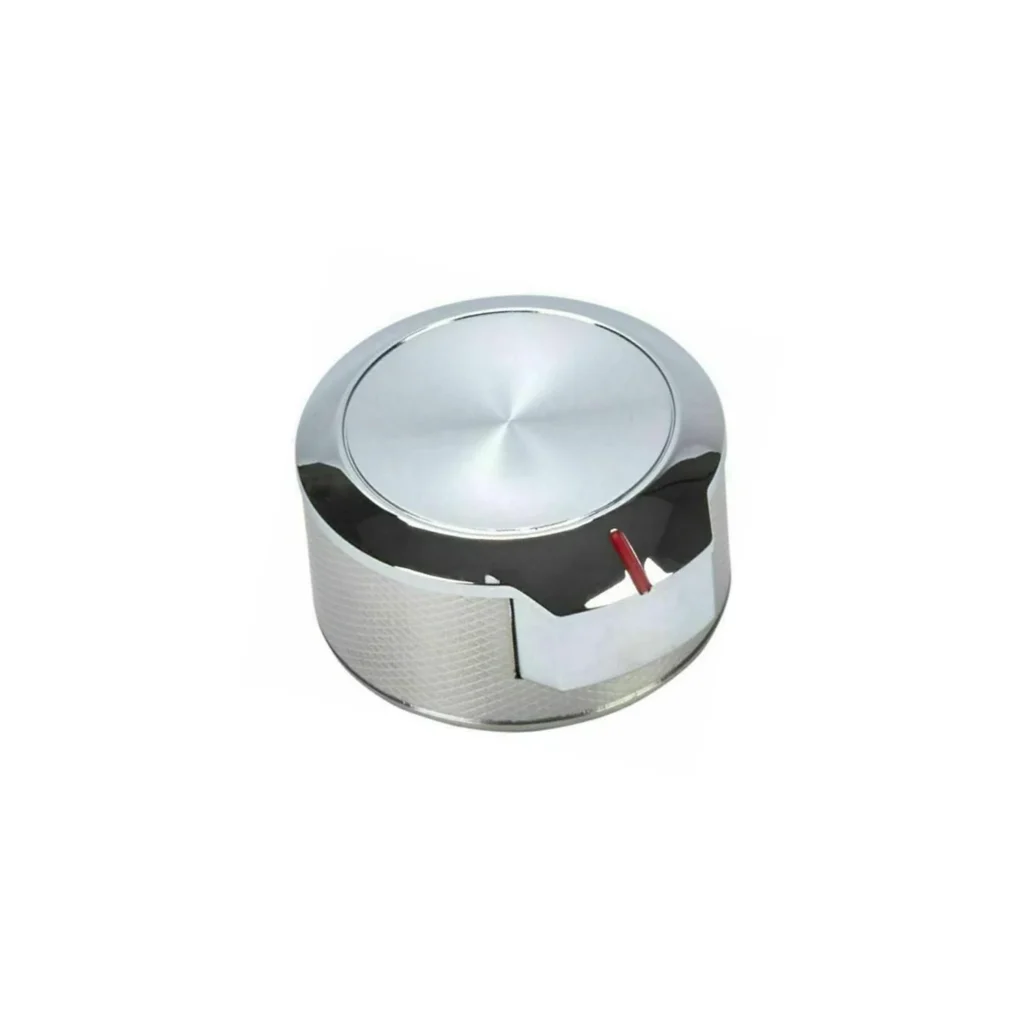
Your KFED500ESS05 burner knob just spins without adjusting the heat. The D-shaped stem still turns fine, but the knob itself stripped out internally—usually from someone cranking it too hard when it stuck. This happens more with the front burners that get used constantly. The plastic teeth inside these knobs wear down over time, especially if there's grease buildup on the valve stem.
What You Need Before Starting
This is the easiest range repair you'll ever do. No tools required—seriously. Just your hands and about 90 seconds. The knob pulls straight off the control valve stem. That's it.
- New W11156487 knob (replaces W10823529, AP6285576, 4546228)
- Optional: Damp cloth to clean the valve stem
Repair time: 1-2 minutes
Difficulty: BEGINNER
Safety First
You don't need to shut off gas or unplug the range for this repair. The knob controls a valve—it's not electrical. Just make sure all burners are in the OFF position before you start pulling knobs. If you smell gas at any point after installation, turn off the gas supply at the wall valve and call a technician. A properly installed knob won't cause gas leaks, but if your valve stem is damaged, that's a different problem.
Step 1: Remove the Old Knob
Grip the knob firmly and pull straight out toward you. Don't twist—just pull. It might feel snug if it's been on there for years, but it's only friction-fitted onto a D-shaped metal stem. If it's really stuck, wiggle it gently side to side while pulling. The knob should pop right off, revealing the valve stem underneath.
Step 2: Clean the Valve Stem
Look at that D-shaped metal stem sticking out. See any grease, food residue, or that weird sticky film? Wipe it down with a damp cloth. This isn't just for cleanliness—gunk on the stem prevents the new knob from seating properly. The internal shape of your new W11156487 knob needs clean contact with that D-stem to grip correctly. Dry it completely before installing the new knob.
Step 3: Align and Install the New Knob
Here's the only part that requires attention: the D-shaped stem only fits one way. Look inside the new knob—you'll see a D-shaped hole. Line up the flat side of the stem with the flat side of the hole. Push the knob straight on until it's flush against the control panel. You'll feel it seat firmly. Don't force it at an angle or you'll strip the new knob before you even use it.
Step 4: Test the Control
Turn the knob through its full range—OFF to HIGH and back. It should rotate smoothly with clear click stops at each setting. The knob shouldn't wobble or spin freely. Try turning a burner on briefly to verify the gas valve responds correctly. If the knob feels loose or doesn't stay in position, pull it off and reinstall—you probably didn't push it on completely.
Testing After Installation
Run through all heat settings on the burner you just fixed. Listen for the clicking of the igniter (if it's a front burner) and watch for the flame to respond to each knob position. The OFF position should completely stop gas flow—no residual flame. If your new knob works perfectly but another one's acting up, now's the time to replace them all. These knobs wear at similar rates, and having one fail usually means the others aren't far behind.
Frequently Asked Questions
Will this knob fit my Whirlpool or Maytag range?
The W11156487 is designed for KitchenAid ranges like the KFED500 series, but Whirlpool used this same part across multiple brands. Check your model number against the compatibility list—it works on select Whirlpool, KitchenAid, and Maytag models that use the same control valve design. The D-stem size is what matters. If your old knob is W10823529 or AP6285576, this is your replacement.
My new knob won't stay in the OFF position—what's wrong?
The knob isn't the problem—your valve stem detent mechanism is worn out. That's the internal spring and ball bearing that creates those click-stops you feel. Replacing just the knob won't fix this. You'll need a new valve assembly, which requires disconnecting gas lines. That's a job for a pro unless you're comfortable working with gas connections and have the proper tools to pressure-test afterward.
Can I use this knob if my stem is slightly damaged?
Depends on the damage. If the D-stem has minor surface scratches, you're fine—the knob will still grip. But if the flat edge is rounded off or the stem is bent, a new knob won't help. The internal teeth need that flat surface to lock against. Try installing the new knob—if it spins freely even when pushed on fully, your stem is too damaged and needs valve replacement.
Clean the valve stem thoroughly before installing the new knob—grease buildup prevents proper seating and causes premature wear.
Need the part for this repair?
W11156487 · In Stock · Ships next business day