
How to Replace 9130-106 Surface Element Terminal Block on GE Range — Step-by-Step
Turn off circuit breaker for range — 240V can be lethal. Verify power is off by testing burners before starting work.
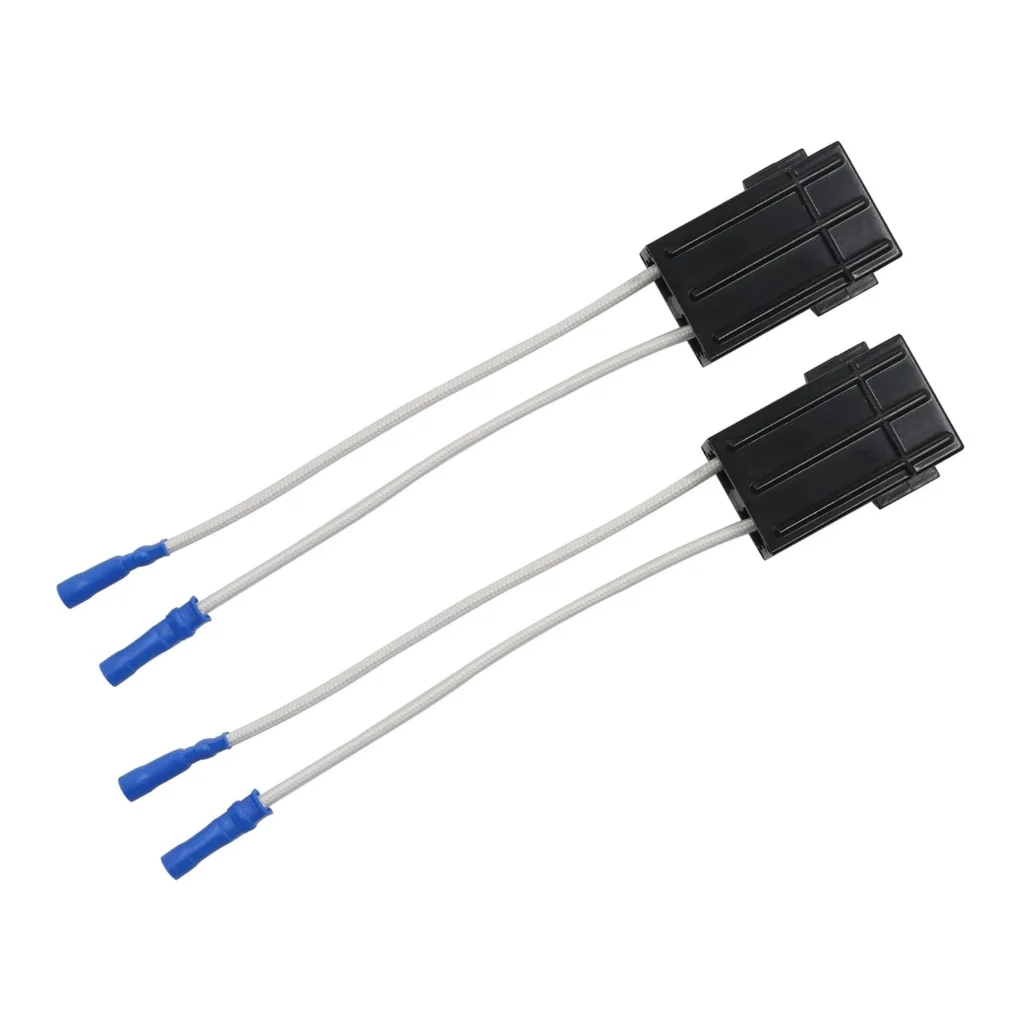
Your GE range's burner won't heat up, or maybe you're seeing scorch marks and melted plastic around where the coil element plugs in. That's your terminal block failing — the ceramic connector where electricity meets your surface element. When you unplug the burner coil and see blackened receptacles or cracked ceramic, you're looking at part number 9130-106, and it needs replacing now before it becomes a fire hazard.
This terminal block (replaces WB17X5113, WB17X5094, AP2021559, PS232646) fits dozens of GE, Hotpoint, and Kenmore models including the JBP24G, JB550G, and JBP22G series. The ceramic block holds two brass terminals that connect your household power to the heating element, and when they corrode or overheat, the connection fails.
What You Need Before Starting
Gather these tools before you begin:
- Flathead screwdriver
- Phillips screwdriver
- Needle-nose pliers
- Wire strippers (if wires are damaged)
- Digital camera or phone (for documenting wire connections)
- Masking tape and marker
Estimated Time: 20-30 minutes
Difficulty: MODERATE — Requires working with electrical connections
Safety First
Turn off the circuit breaker for your range — don't just switch off the stove. Electric ranges pull 240 volts, which can kill you instantly. Test the burners after flipping the breaker to confirm power is off. If your range is hardwired, you'll need to shut off the dedicated breaker. If it's plug-in, unplug it from the wall outlet. Wait five minutes before starting work to let any residual charge dissipate.
Step 1: Remove the Damaged Burner Element
Lift the problem burner element straight up at the plug-in point. You'll feel it release from the terminal block. Don't yank it — rock it gently side to side while pulling upward. Inspect the element's terminals. If they're heavily corroded or one prong is blackened, the element likely contributed to the terminal block failure and should be replaced too.
Step 2: Access the Terminal Block Assembly
Most GE ranges require lifting the cooktop. Look for the front edge where it meets the control panel — there are usually two spring clips or screws. Lift from the front and prop the cooktop open with the built-in support rod, like opening a car hood. The terminal block sits underneath, mounted to the range frame with a metal bracket. Take a photo of the wire connections before touching anything. You'll see two thick wires (usually red and black or two black) connected to the terminal screws.
Step 3: Disconnect and Remove the Old Terminal Block
Label each wire with masking tape before disconnecting. Loosen the terminal screws counterclockwise — you don't need to remove them completely, just back them off enough to free the wire loops. The wires might be stiff from heat exposure. Use needle-nose pliers to work the wire loops off the screws if they're corroded in place. Once wires are free, remove the mounting screws holding the ceramic block to its bracket. Some models use a single screw, others use two.
Step 4: Install the New 9130-106 Terminal Block
Position the new terminal block in the bracket, matching the orientation of the old one. The terminals should face toward where the burner element plugs in. Secure it with the mounting screws, but don't overtighten — you can crack the ceramic. Attach the wires to the terminal screws, making sure the wire loops wrap clockwise around the screws (so they tighten down rather than pushing the wire out). Tighten the terminal screws firmly until the wire can't move, but again, don't strip the threads in the ceramic.
Step 5: Reconnect and Test
Lower the cooktop carefully, making sure no wires are pinched. Plug the burner element firmly into the new terminal block — you should feel it seat completely with no gap. Turn the circuit breaker back on. Test the burner at multiple heat settings. It should glow evenly red/orange within 45 seconds on high. Check the terminal block after five minutes of operation — it should be warm but not hot enough to burn you. If you smell burning plastic or see smoke, shut off power immediately.
Testing After Installation
Run the repaired burner for 10 minutes on high, then check the connection points. The ceramic block should be slightly warm, not scorching hot. Wiggle the element gently while it's off — there should be no looseness. Test all heat settings from low to high. If the element heats unevenly or one side glows brighter, you may have a loose wire connection at the terminal screws. Power off and retighten if needed.
Frequently Asked Questions
Will this terminal block fit my Kenmore range if I have model number 790.9130-106?
The 9130-106 fits select Kenmore models that use the same GE-manufactured components. Check your model number against the compatibility list or measure your existing block — it should be approximately 2 inches wide with two brass terminals spaced about 1 inch apart. If your Kenmore model starts with 790 and was made between 1995-2010, it likely uses GE parts.
Why did my terminal block melt if I didn't do anything wrong?
Terminal blocks fail from normal wear. Every time you turn a burner on, thermal expansion and contraction stress the connection. Over years, the terminals oxidize, creating electrical resistance. Resistance generates heat, which accelerates oxidation — it's a cycle that eventually melts the ceramic or welds the element terminals to the block. Spills that drip into the receptacle accelerate this process. You didn't cause it, it's just component lifespan.
Do I need to replace the burner element when I replace the terminal block?
Inspect the element's plug-in terminals closely. If they're blackened, pitted, or one prong is obviously thinner from arcing damage, replace the element. A damaged element will destroy your new terminal block within weeks. If the terminals are clean and silvery with maybe light discoloration, you can reuse the element. When in doubt, replacement elements for these GE ranges run $15-25 — cheap insurance against another failure.
Take a clear photo of wire connections before disconnecting anything. Your memory isn't as reliable as you think when you're reassembling.
Need the part for this repair?
9130-106 · In Stock · Ships next business day