
How to Extend Your Frigidaire Door Shelf Retainer Bar Life — Maintenance Guide
Do not overload door shelves — excessive weight can damage the door liner mounting points, requiring more expensive repairs beyond just the retainer bar replacement.
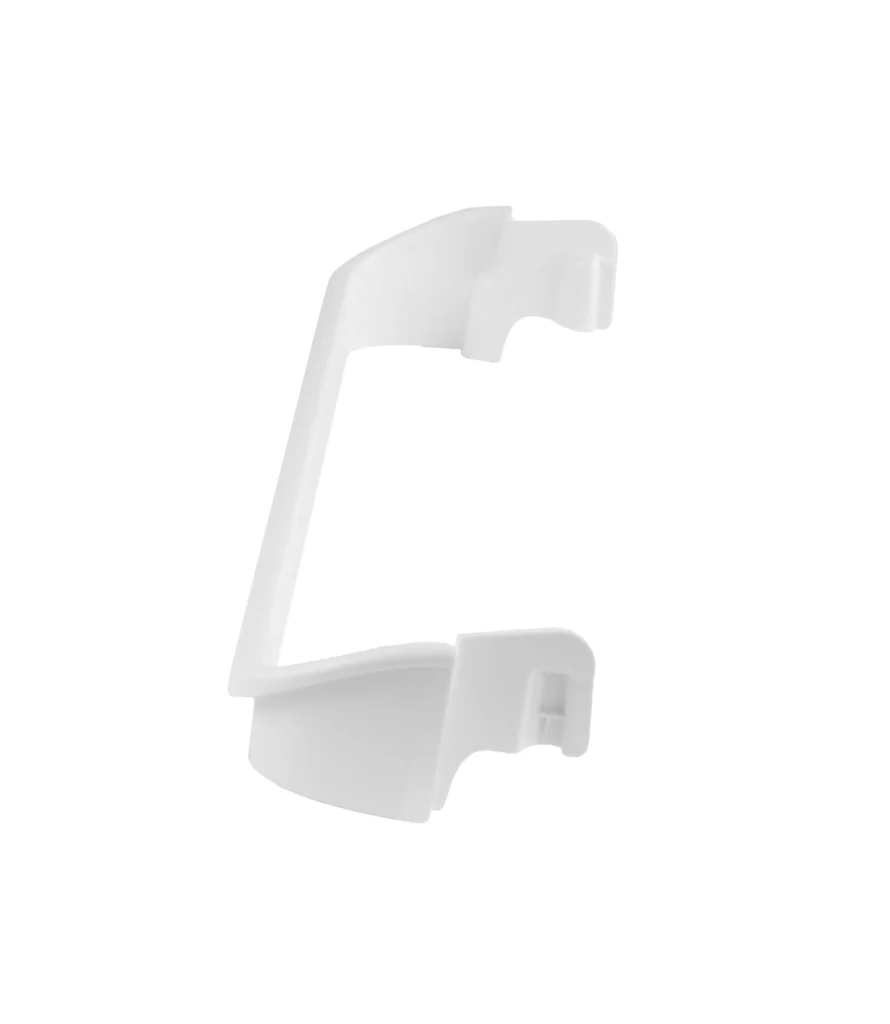
Here's something nobody thinks about until items start flying out of their fridge door every morning: that white plastic retainer bar on your Frigidaire door shelf typically lasts 5-7 years, but most people replace them after just 2-3. The difference? Usually not the part itself — it's how it's being treated every single day.
I've seen dozens of these bars in my shop, and the wear pattern tells the same story. Owners of models like the FFTR1821TS5 and FFTR2021TW1 come in with cracked bars that should've lasted years longer. Let's fix that.
How Long Should It Last?
Under normal conditions, a door shelf retainer bar should last 5-7 years. The part itself is simple — a snap-in plastic bar that holds shelf contents in place. But I regularly see them fail in 2-3 years because of three main factors:
- Overloading: These bars aren't designed to hold gallon jugs or multiple 2-liter bottles
- Temperature stress: Constant opening/closing creates thermal cycling that weakens the plastic
- Impact damage: Slamming the door or forcing items past the bar creates micro-cracks
The snap-in design (no tools needed for installation) is both a strength and weakness. It's easy to replace, but also means the connection points take all the stress.
Signs It's Wearing Out
Most people don't notice problems until items are falling out. By then, the bar's already compromised. Here's what to watch for earlier:
Items Falling When Door Opens
This is the obvious one — and it's listed as the primary symptom for this part. If condiment bottles or drink cans tumble out when you swing the door open, the bar's either cracked at the mounting points or has warped from stress. One customer described it perfectly: "Every time you opened the frig door all the items on the side of the door fell out."
Don't ignore this. It's not just annoying — it means the bar has lost structural integrity and could fail completely soon.
Visible Flexing or Bowing
Press gently on the middle of the bar when the shelf is loaded. It shouldn't flex more than about 1/8 inch. If you see significant bowing, the plastic has weakened. This often happens with heavier items like glass bottles.
Check both ends where it snaps in. White stress marks or hairline cracks near the mounting tabs mean replacement is coming soon.
Difficulty Removing or Reinstalling
Since this part snaps into place without tools, removal should be straightforward. If you're fighting to get it out or back in, something's warped. Some users report fit issues even with new parts, but if your existing bar used to snap in easily and now doesn't, that's wear.
The snap tabs can also crack. If you hear clicking or popping when the door opens, inspect those connection points closely.
Daily Habits That Extend Life
You can double the lifespan of this part with minimal effort:
Weight distribution matters. Don't load one side of the shelf heavier than the other. The bar takes uneven stress and will warp. Spread items across the full width.
Respect the weight limit. I tell customers to keep door shelves under 10 pounds total. That means no gallon milk jugs on the door — ever. Use the main shelves for heavy items.
Close gently. Slamming transfers shock directly to the mounting points. It takes months of daily slams to crack the tabs, but it will happen.
Clean around the mounting area. Spills that seep behind the bar can freeze in the gap, creating pressure that loosens the snap fit. Wipe down monthly with warm water.
When to Replace vs Maintain
Here's the honest truth: this isn't a part you maintain in the traditional sense. There's no lubrication, no adjustment, no periodic service. It either works or it doesn't.
Replace immediately if:
- Items fall out regularly (the primary symptom)
- You see cracks at mounting points
- The bar has visible warping or permanent deformation
- Snap tabs are broken or chipped
You can keep using it if:
- It holds items securely
- No visible damage or stress marks
- Snaps in and out normally
- No flexing under normal load
At $32.99, replacement is reasonable when needed. But with proper loading habits, you should get 5+ years from the part. One reviewer noted: "Part fit great" and "Shipping was quick" — when you do need to replace it, the process is straightforward since it snaps in without tools.
Just be aware: some users report fit issues even with correct part numbers. One customer said the part "did not fit properly" despite being correct for their model. If you encounter this on a new installation, double-check your model number against the compatibility list (this bar fits dozens of Frigidaire models including FFTR1821TS5, FFTR1814TW0, FFHT1816PS1, and many others).
Frequently Asked Questions
Can I repair a cracked door shelf retainer bar instead of replacing it?
Not reliably. I've seen people try epoxy or plastic welding, but these bars take constant flexing stress. Any repair weakens the plastic further, and you'll just end up with items falling out again — potentially breaking bottles or making a mess. At this price point, replacement is the smarter move.
Why does my new retainer bar feel loose even though it's the right part?
This comes up more than it should. The snap-fit design requires precise alignment. Make sure you're pushing straight in until you hear/feel both sides click. If the mounting holes in your door liner are worn or cracked, even a new bar won't fit tight. Inspect the door liner for damage — that's the actual problem sometimes.
How much weight can a door shelf retainer bar safely hold?
Frigidaire doesn't publish official specs, but from experience: keep door shelves under 10 pounds total, with no single item over 3-4 pounds. The door gasket and hinges aren't designed for heavy loads either. Overloading shortens the life of the bar, the shelf, and the door seal.
Element showing wear?
240534701 · Replace before it fully fails