
How to Extend Your Frigidaire Pedestal Drawer Latch Life — Maintenance Guide
Never force the drawer closed if something is blocking it — this bends the latch hooks and cracks the mounting tabs
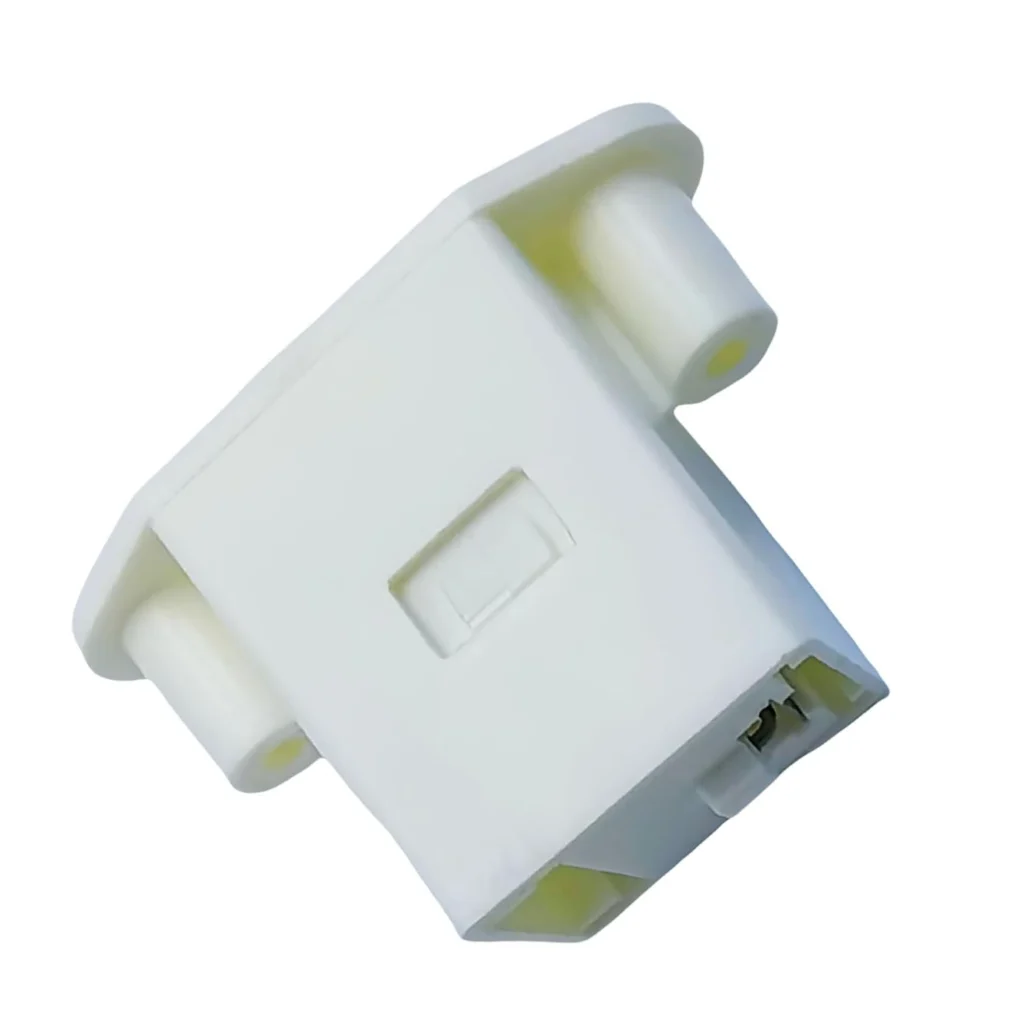
Most pedestal drawer latches on Frigidaire and Electrolux models like the EPWD157SIW0 or EPWD15SS2 should last 8–10 years. But here's the catch — most homeowners never think about them until the drawer won't close anymore. By then, you're dealing with a worn latch mechanism that's been grinding against misaligned parts for months.
The 137006200 latch isn't complicated, but it handles constant stress every time you open that drawer. A little attention goes a long way.
How Long Should It Last?
Under normal conditions, this drawer latch should give you 8–12 years of solid performance. That's based on opening the drawer 3–5 times per laundry session, about 200–300 cycles per year.
What kills it early? Three things:
- Overloading the drawer — cramming detergent bottles, fabric softener, and dryer sheets creates constant pressure on the latch mechanism
- Forcing it closed — when something's blocking the drawer and you push anyway, you're bending the latch hooks
- Letting dust and detergent residue build up — this gums up the spring mechanism inside the latch housing
Keep it clean and aligned? You'll easily hit that 12-year mark. Maybe longer.
Signs It's Wearing Out
The latch doesn't just fail overnight. It gives you warnings if you're paying attention.
Door Won't Close Completely
This is the most common symptom. The drawer either pops back open or sits about a quarter-inch out from flush. You'll notice it catching but not fully engaging. The spring inside has weakened, or the catch hooks have worn down from repeated use.
On models like the EPWD15IW3 and EPWD15TS1, you might hear a click but the drawer still bounces open. That's a classic sign the latch mechanism has lost its holding tension.
Excessive Force Required to Latch
If you're pushing harder than you used to, something's out of alignment. Either the latch housing has shifted slightly, or debris is preventing smooth engagement. Don't ignore this — forcing it will bend the mounting tabs.
Visible Cracks in the Latch Housing
The plastic housing on the 137006200 is durable ABS, but it's not indestructible. Check for hairline cracks near the mounting holes or around the spring housing. These cracks spread fast once they start, especially in laundry rooms with temperature swings.
When to Replace vs Maintain
Here's the honest truth: this is a low-cost part that doesn't make sense to repair. If you're seeing cracks, broken hooks, or the latch won't hold even when clean — just replace it. It's an easy swap that takes about 10 minutes.
But if your latch is still functional and you're just doing preventive care? Keep reading. Regular maintenance can double its working life.
Replace immediately if:
- The drawer won't stay closed even after cleaning and alignment checks
- You see visible cracks spreading across the housing
- The spring mechanism feels completely loose with no resistance
- Mounting tabs are broken or stripped
Maintain if:
- The latch works but requires slightly more force than it used to
- You hear clicking but it still latches securely
- There's visible detergent residue or dust buildup
- The drawer occasionally pops open but usually stays closed
Frequently Asked Questions
Can I lubricate the drawer latch mechanism?
Yes, but use dry silicone spray — never oil-based lubricants. Oil attracts lint and detergent dust, which creates a sticky paste that makes things worse. A light spray of dry silicone on the moving parts twice a year keeps everything operating smoothly. Wipe off any excess immediately.
Why does my drawer latch work fine in winter but fail in summer?
Temperature expansion. The plastic latch housing expands slightly in heat, which can throw off the alignment just enough to prevent proper engagement. If your laundry room gets hot (above 85°F), check the mounting screws and make sure the latch housing hasn't shifted. A quarter-turn tighter on the mounting screws usually fixes it.
How do I know if the problem is the latch or the strike plate?
Close the drawer slowly and watch where the latch hooks engage. If the hooks are hitting the strike plate but sliding off instead of catching, the strike plate has likely shifted down slightly. If the hooks aren't reaching the strike plate at all, the latch housing has moved. Mark the current position with a pencil before adjusting anything so you can track what you changed.
Element showing wear?
137006200 · Replace before it fully fails