
How to Extend Your GE Washer Tub Seal Life — Maintenance Guide
Always unplug the washer before inspecting around the tub area. Water and electricity don't mix.
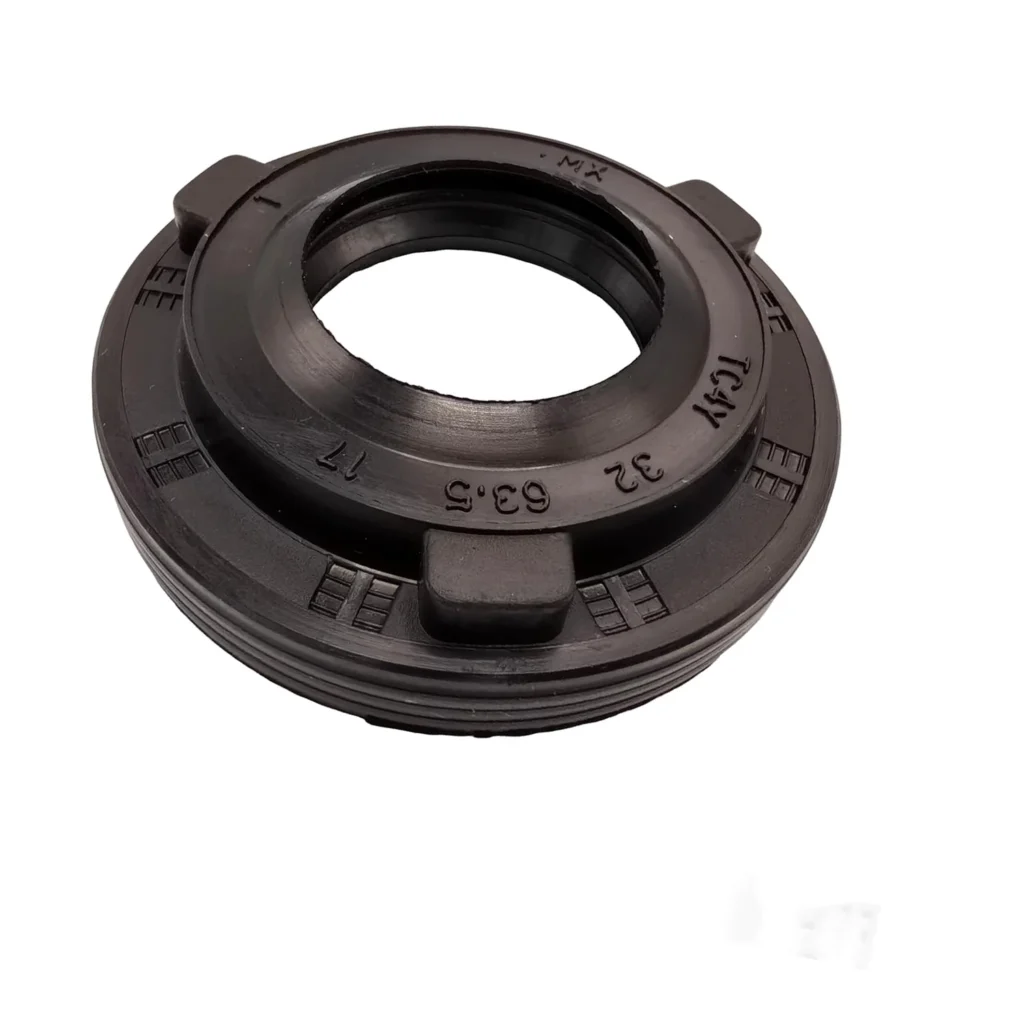
Here's something most people don't realize: the tub seal in your GE washer (models like GTWN5850D0WW or WBSR1060T2WW) should last 8-10 years, but most fail around year 5. That puddle forming under your washer? It's usually because the seal wore out faster than it should have.
The good news? With the right maintenance routine, you can push that seal closer to its full lifespan — and avoid the $200+ service call when water starts pooling around your laundry room floor.
How Long Should It Last?
A washer tub seal like the WH02X10383 is designed to handle thousands of wash cycles. Under normal conditions, you're looking at 8-10 years of service. But here's what actually affects how long yours will last:
- Water hardness — Mineral deposits accelerate wear on the rubber seal
- Detergent type — Too much soap creates residue that degrades the seal material
- Load balance — Constantly overloading or running unbalanced loads puts extra stress on the center shaft
- Moisture exposure — Leaving the washer closed between cycles traps moisture against the seal
Most seals fail prematurely because they're operating in conditions they weren't designed for. A seal that sees hard water and stays damp 24/7 won't make it past year 6.
Signs It's Wearing Out
The tub seal sits around the center shaft where the tub spins. When it starts failing, you'll notice specific warning signs — catching them early means you can plan the replacement instead of dealing with an emergency.
Water Leaking Around the Center Shaft
This is the telltale sign. You'll see water pooling under the washer, and if you pull the machine forward, the leak is coming from the center bottom area — not the hoses or door seal. On models like the GTWN4250D0WS, this leak often appears during the spin cycle when water pressure is highest.
Don't confuse this with door seal leaks, which happen at the front. Tub seal leaks originate from underneath, right where the transmission connects to the tub.
Unpleasant Odor Coming from the Washer
When the seal starts degrading, water and detergent residue get trapped in areas they shouldn't reach. This creates a breeding ground for mold and mildew. If your GLWN2800D1WS or GVSR1060H8WW suddenly smells like a swamp, the tub seal might be compromised.
The smell is musty and distinct — different from the typical front-loader smell. It comes from water sitting where it should be sealed off.
Excessive Vibration During Spin Cycle
A worn seal doesn't hold the center shaft as firmly as it should. You might notice your washer shaking more than usual, especially during high-speed spins. The machine might even "walk" across the floor on models like the GTWN5450D0WW.
This happens because the seal's degradation allows slight movement in the shaft, which throws off the balance.
When to Replace vs Maintain
Let's be honest: once the tub seal is actually leaking, it's too late for maintenance. The seal is a wear item, and when it fails, you replace it. But — and this is important — proper maintenance delays that failure significantly.
Here's the decision framework:
Maintain it if your washer is less than 5 years old and shows no leak symptoms. You're preventing premature failure.
Replace it if you see water leaking around the center shaft or if the washer is 8+ years old and you're doing other repairs anyway. At that point, the seal has lived its life.
Monitor closely if you smell mildew and the washer is 5-7 years old. The seal might be starting to degrade. Check under the machine monthly.
The WH02X10383 costs $9.99 — the labor to install it costs $150-250 if you hire someone. That math alone makes preventive maintenance worth your time.
Frequently Asked Questions
Can I use vinegar to clean the area around the tub seal?
Don't use vinegar directly on rubber seals — the acidity can actually accelerate degradation. Instead, use a washing machine cleaner like Affresh (which the manufacturer recommends for these GE models). It's formulated to clean without damaging rubber components. Run it through an empty cycle monthly to prevent residue buildup around the seal area.
Will using less detergent really extend the seal's life?
Absolutely. Modern HE washers need about 2 tablespoons of detergent per load — most people use 3-4 times that amount. Excess soap doesn't rinse completely and leaves residue that coats the tub seal. Over years, this residue breaks down the rubber. Cutting your detergent in half might double your seal's lifespan.
How do I know if my water is hard enough to damage the seal?
If you see white crusty buildup on faucets or in the dishwasher, you have hard water. Get a test strip from any hardware store (they're $10 for a pack). Above 7 grains per gallon, you should install a water softener or use a washing machine descaler every 3 months. Hard water deposits physically score the seal surface, creating leak paths.
Element showing wear?
WH02X10383 · Replace before it fully fails