
How to Extend Your Frigidaire Thermal Limiter Life — Maintenance Guide
NEVER bypass the thermal limiter. It prevents dryer fires. If it has blown, there is an underlying overheating problem that must be corrected before replacement.
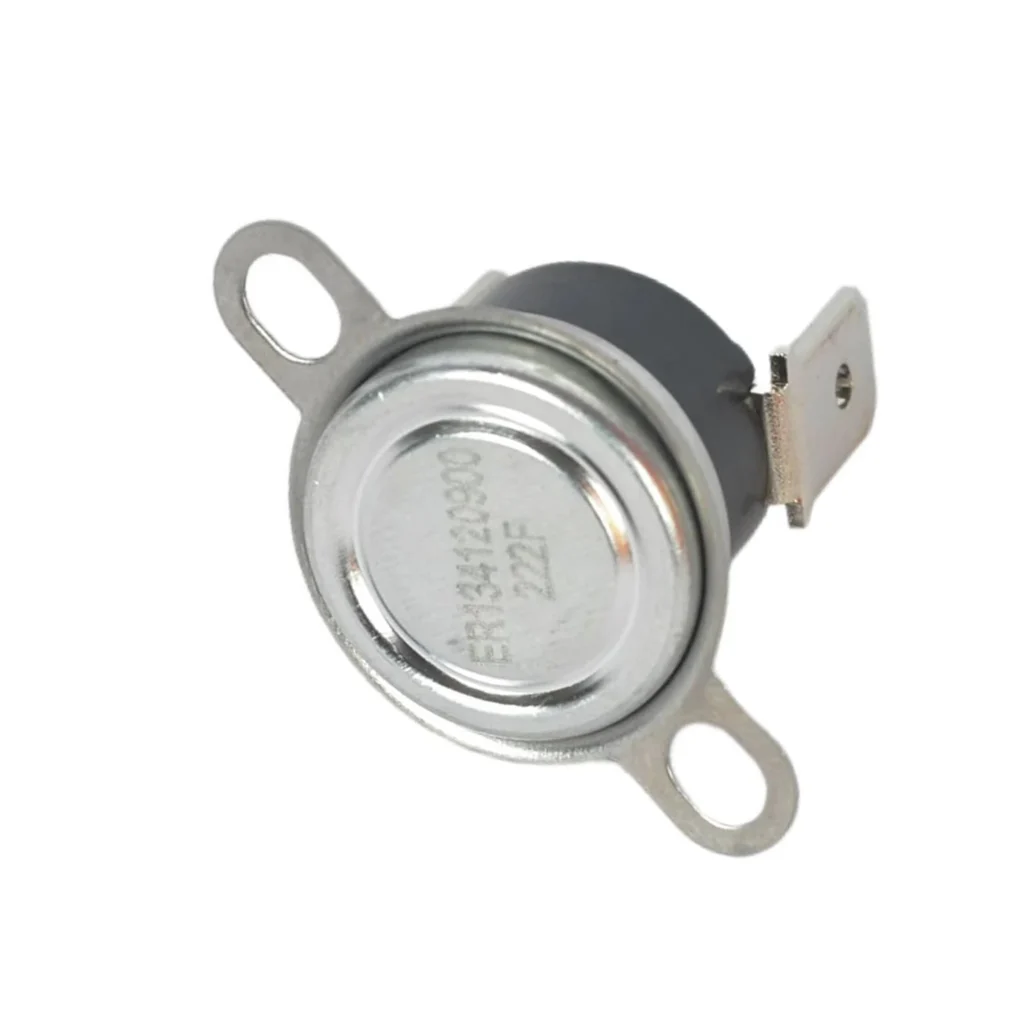
Here's something most people don't realize: the thermal limiter in your Frigidaire dryer (part 134120900) is designed to blow once and never reset. It's a one-time safety device. So "maintenance" here isn't about extending the fuse itself — it's about protecting your dryer so this $11 part doesn't have to sacrifice itself in the first place.
When this thermal fuse blows, your dryer won't start at all. It's the last line of defense against overheating, cutting all power when things get too hot. Let's talk about how to keep your dryer running cool enough that you never need to replace this part.
How Long Should It Last?
In perfect conditions, this thermal limiter should last the entire life of your dryer — 10 to 15 years. It's not a wear item. It only blows when your dryer reaches unsafe temperatures, usually around 220°F.
But here's the reality: restricted airflow makes dryers run hot. Really hot. And when the limiter detects that dangerous heat level, it trips permanently. You'll see symptoms like the dryer won't start, even though everything else seems fine. The drum might turn, but there's no heat and no actual drying happening.
The good news? Almost every thermal fuse failure is preventable with proper airflow maintenance.
Signs Your Dryer Is Running Too Hot
Your dryer will warn you before the thermal limiter blows. Pay attention to these red flags:
Clothes Come Out Extremely Hot
If you can't comfortably touch your clothes at the end of a cycle, that's too hot. Normal dryer temperatures should be warm, not scalding. This is your first warning that airflow is restricted and the thermal limiter is working overtime.
Longer Drying Times Than Usual
When lint blocks the exhaust, your dryer can't expel moisture efficiently. It runs longer cycles and gets hotter trying to compensate. If a load that used to take 45 minutes now takes 90, you've got an airflow problem that's stressing the thermal safety system.
Burning Smell During Operation
This is critical. A burning smell means lint is getting hot enough to scorch. The thermal limiter is likely already approaching its trip point. Stop using the dryer immediately and clean the entire exhaust system before running another load.
The Real Maintenance: Preventing Thermal Limiter Failure
Since the 134120900 thermal fuse doesn't wear out gradually — it just trips when needed — your maintenance focus should be on the conditions that cause overheating.
Clean the lint screen after every single load. Not every few loads. Every one. A clogged screen is the #1 cause of dryer overheating. It takes 5 seconds and prevents hundreds in repair costs.
Check your exhaust vent quarterly. Go outside and watch the vent flap while the dryer runs. You should see strong, steady airflow pushing it open. Weak airflow means restriction somewhere in the line. Pull the dryer out and disconnect the vent hose. If you find lint buildup, you're looking at the exact condition that blows thermal limiters.
Keep the area around your dryer clear. Dryers need room to breathe. Don't store laundry baskets or boxes against the sides or back where air intakes are located.
When to Replace vs Maintain
Let's be honest about what you're dealing with here: once the thermal limiter trips, it's done. There's no resetting it, no maintaining it back to life. The metal inside has permanently broken the circuit.
If your dryer won't start and you've verified the thermal fuse has continuity failure (no electrical connection), you need part 134120900. It's a straightforward replacement that costs about $11.
But here's the critical part: don't just swap the fuse and call it fixed. If you don't find and correct what caused the overheating, you'll blow the new thermal limiter within weeks. Before replacing this part on models like the AEQ6000ES1 or AEQB6000ES0, thoroughly clean the entire exhaust system, check the blower wheel for lint buildup, and verify the heating element isn't grounded.
Think of the thermal limiter as the canary in the coal mine. It dies to tell you something's seriously wrong with your dryer's ventilation.
Frequently Asked Questions
Can I bypass the thermal limiter to keep my dryer running?
Absolutely not. The thermal limiter prevents fires. It's a mandatory safety device. Bypassing it might get your dryer running, but you're risking a house fire. The part costs $11 and takes 20 minutes to replace — there's no scenario where bypassing it makes sense.
How often should I replace the thermal fuse as preventive maintenance?
Never. It's not a maintenance item. If your dryer is properly ventilated and running at safe temperatures, the thermal limiter should never need replacement. If you're replacing thermal fuses regularly, you have an underlying ventilation or mechanical problem that needs diagnosis.
Will a clogged lint screen really cause the thermal limiter to blow?
Yes, it's the most common cause. The lint screen is your first line of defense in the airflow path. When it's clogged, hot air can't escape, temperatures spike, and the thermal limiter does exactly what it's designed to do — cut power before the lint ignites. Clean your screen after every load.
Element showing wear?
134120900 · Replace before it fully fails