
How to Extend Your Frigidaire Suspension Spring Life — Maintenance Guide
Always unplug washer before inspecting springs. Suspension springs are under significant tension and can cause injury if released improperly.
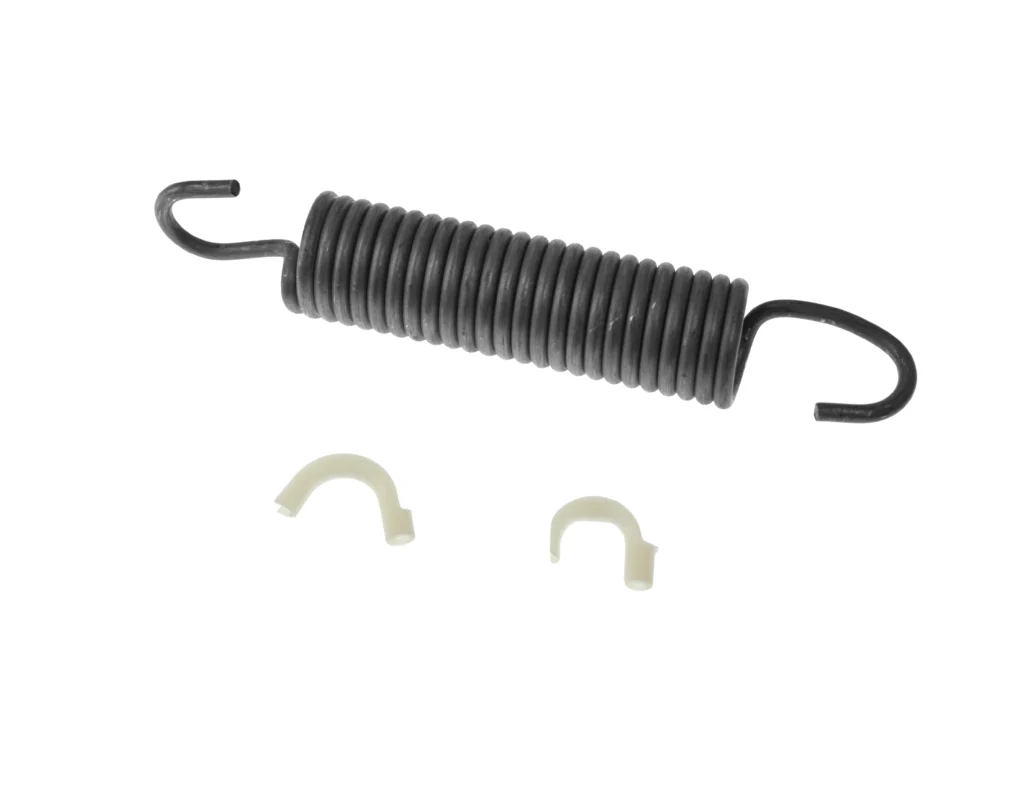
Here's something most Frigidaire washer owners don't realize: those suspension springs supporting your wash basket are designed to last 8-12 years, but I've seen them fail in half that time. The culprit? Usually it's not the springs themselves—it's the rubber insulators that crack and deteriorate, turning your laundry room into a drum solo every spin cycle.
If you've got a GLTF1570FS or GLTR1670AS model shaking its way across the floor, those springs are probably crying out for attention. Let's talk about keeping them healthy so you're not dropping $50 on replacement springs every few years.
How Long Should Suspension Springs Last?
Factory suspension springs on Frigidaire, Electrolux, and Kenmore top-loaders should give you 10-15 years of service. That's the metal coil part. But the rubber insulators at each end? They're living on borrowed time after year 5.
The springs themselves rarely break unless you're regularly overloading the machine or something's gone catastrophically wrong with the balance. What happens instead is the rubber insulators dry out, crack, and eventually separate from the spring hooks. Once that happens, you'll know—your washer sounds like it's auditioning for a metal band during the spin cycle.
Heat accelerates this process. If your washer's in a hot garage or laundry closet without ventilation, those insulators are aging in dog years. Same goes for detergent residue that splashes up onto the springs during wash cycles—that chemical exposure breaks down rubber faster than you'd think.
Signs Your Suspension Springs Are Wearing Out
Your washer will tell you when the suspension system needs attention. Here's what to watch for:
Shaking and Moving During Spin
This is the classic symptom. If your washer walks across the floor during spin cycles—especially on smaller loads that should be perfectly balanced—your suspension springs have likely lost tension or the insulators are compromised. You might hear it before you see it: a rhythmic banging or thumping that gets worse as the spin speed increases.
Check if the movement is consistent or if it's worse with certain load sizes. Springs that are merely worn will show symptoms with all loads. But if it only happens with small loads, you might have a balance issue rather than spring failure.
Visible Cracking on Rubber Insulators
Pop the cabinet and actually look at your springs every six months. The rubber insulators should be smooth and intact. If you see cracks radiating from the hook attachment points, or if the rubber feels brittle when you press it with your finger, you're on borrowed time. Don't wait for complete failure—those insulators can separate mid-spin and cause real damage to the drum or cabinet.
Washer Won't Complete Drain Cycle
This one surprises people, but failed suspension springs can prevent proper drainage. When the springs lose tension, the wash basket sits lower in the tub. If it sits low enough, it can interfere with the drain pump operation or kink the drain hose. You'll see water remaining in the tub after the cycle completes, or the washer will stop mid-cycle with an error code.
When to Replace vs Maintain
Here's the honest truth: suspension springs aren't really maintainable once they start showing symptoms. You can't restore tension to a stretched spring, and you can't rejuvenate cracked rubber insulators. What you can do is catch problems early and prevent premature failure.
If your springs are under 5 years old and showing symptoms, look at your usage patterns first. Are you overloading? Running unbalanced loads? Is the machine level? Fix those issues and your springs might recover some function.
But if you're past the 7-year mark and hearing noises or seeing movement, just replace them. The 134144700 kit includes new insulators, and you're looking at maybe 30 minutes of work. Don't wait until a spring separates and punches a hole in your wash tub—that's a $400 mistake to save $50.
For models like the GLTF1040AS, GLTF1240AS, or FTF530FS series, I recommend replacing all four springs as a set even if only one is visibly damaged. They've all experienced the same wear conditions, and the last thing you want is to replace one spring today and another in three months.
Frequently Asked Questions
Can I extend the life of suspension springs by reducing load size?
Absolutely. Overloading is the number one cause of premature spring failure. Your Frigidaire washer has a maximum capacity for a reason—usually around 3.5-4.0 cubic feet for these models. When you stuff it full, those springs are absorbing forces they weren't designed to handle, especially during the spin cycle when centrifugal forces multiply the load weight. Keep loads to about 75% capacity and alternate heavy and light loads instead of running five consecutive loads of soaking wet jeans.
Should I lubricate the suspension springs?
No, and this is a common mistake. The springs themselves don't need lubrication—they're not moving parts that create friction. Adding oil or grease just attracts lint and detergent residue, creating a gummy mess that can actually accelerate rubber insulator deterioration. The only exception is if you have squeaky spring hooks, in which case a tiny amount of silicone spray on the metal-to-metal contact point is fine. But keep it away from the rubber.
How do I know if my suspension springs are the right tension?
The wash basket should sit roughly centered in the outer tub when empty, with about 2-3 inches of clearance all around. If it's sitting noticeably low or touching one side, your springs have lost tension. You can also do the push test: with the washer empty and unplugged, push down firmly on the center of the wash basket. It should compress about an inch and bounce back smoothly. If it stays compressed or bounces erratically, the springs are shot. For the GLTR1670FS and similar models, this test works perfectly because the basket is easily accessible.
Element showing wear?
134144700 · Replace before it fully fails