
How to Extend Your Samsung Broil Element Life — DG47-00037A Maintenance Guide
Always disconnect power at the breaker before inspecting broil element connections. Never touch element until completely cool (minimum 45 minutes). Do not use water or oven cleaner directly on element.
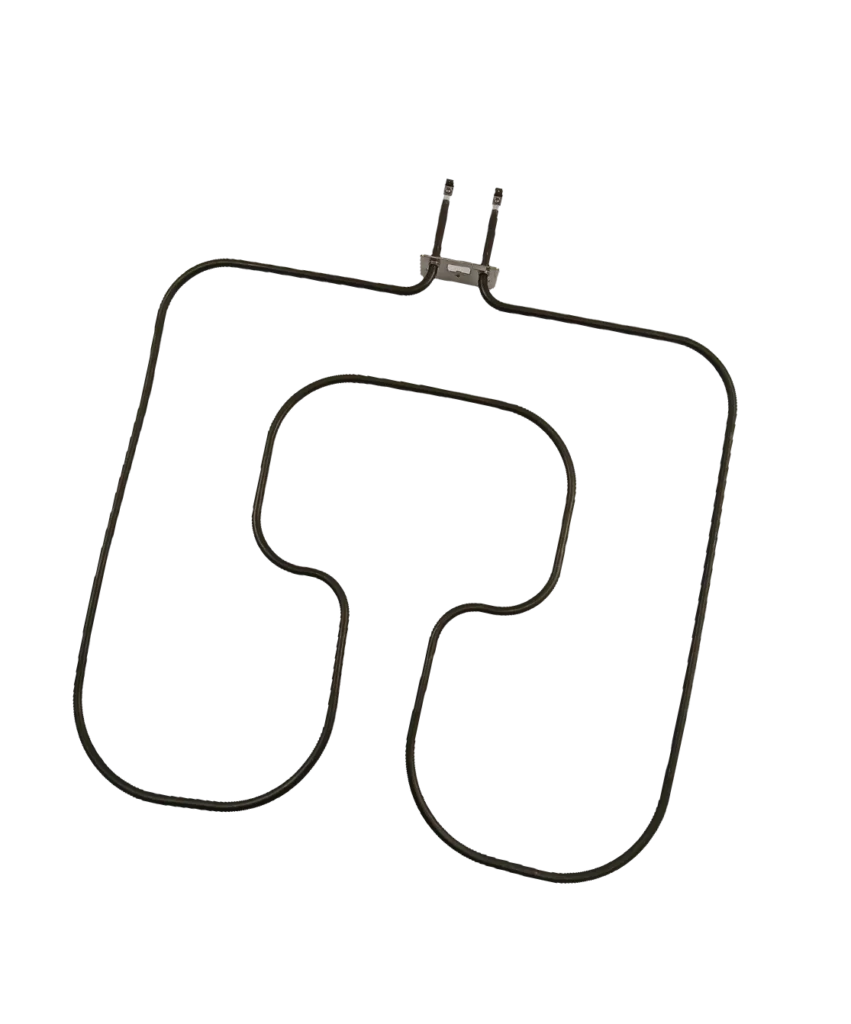
Most Samsung broil elements should last 8-12 years, but I've seen them fail in as little as three. The difference? How you use and maintain them. At $162, the DG47-00037A isn't cheap, so let's talk about making it last.
The reality is that broil elements get abused. They're cranked to maximum temperature, splattered with grease from that steak you're searing, and then shocked back to room temperature. It's a brutal cycle.
How Long Should It Last?
A properly maintained broil element in a Samsung range should give you 10-15 years of service. But here's what shortens that lifespan:
Grease accumulation creates hot spots that cause uneven heating and eventual failure. Temperature cycling — going from 550°F to cold repeatedly — stresses the element's internal coil. Physical damage from moving oven racks or cleaning tools cracks the protective sheathing.
Models like the NE59J3420SS/AA and NE59J3421SS/AA have the element mounted at the top of the oven cavity, making it vulnerable to steam and splatter from everything you cook below it.
Signs It's Wearing Out
Catch these early and you can prevent a complete failure that leaves you with a half-cooked dinner.
Uneven Glowing When Heating
A healthy element glows bright orange-red uniformly across its entire length within 90 seconds. If you see dark spots or sections that take longer to heat, the internal resistance is changing. That's your 6-month warning.
Turn on your broiler and watch it heat up. The glow should be consistent from one end to the other. Any variation means internal coil damage is progressing.
Visible Blistering or Bubbling on the Surface
The metal sheathing protects the coil inside. When you see bubbles or blisters forming on the element's surface, moisture has penetrated the sheath and is reacting with the coil. This happens most often near the terminals where the element connects.
Check your element when it's cool. Run your fingers along it (gently — it's fragile). Any bumps or raised areas that weren't there before mean you're maybe 2-3 months from failure.
Tripping the Breaker During Broiling
If your breaker trips specifically when you're using the broiler, the element's insulation is breaking down. The coil is making intermittent contact with the metal sheath, creating a short circuit.
This isn't always a maintenance issue — sometimes it's just age — but catching it early means you can replace it on your schedule, not when you've got guests coming for dinner.
The 5-Minute After-Broiling Routine
Here's what actually works. I do this every single time I broil, and my elements outlast my appliances.
Let it cool completely. Don't touch anything for at least 45 minutes after broiling. The thermal shock of water on a hot element will crack the sheath.
Vacuum the element. Use a soft brush attachment and gently remove any food particles or grease that landed on it. Don't press hard — you're just removing loose debris.
Check the connections. Look where the element plugs into the oven cavity. The terminals should be tight with no discoloration. Black soot around the connection points means arcing, and that needs immediate attention.
What Kills Broil Elements Faster
Let's be honest about what you should avoid.
Never use oven cleaner on the element itself. The chemicals attack the metal sheath and accelerate corrosion. If you get cleaner on it by accident, wipe it immediately with a damp cloth.
Don't leave the broiler on unattended. I know it's tempting to walk away, but grease fires happen. When flames hit the element directly, you're subjecting it to temperatures it wasn't designed for.
Stop using aluminum foil as a drip pan. It reflects heat back onto the element, creating temperatures 200-300°F higher than designed. Use a proper broiler pan that allows air circulation.
For Samsung models like the FER300SW/XAC and FER400SB, the oven cavity is smaller than some brands, which means the element runs hotter to compensate. Extra heat means extra wear.
When to Replace vs Maintain
Here's my honest framework. If your element has any of these, maintenance won't help:
- Visible cracks or breaks in the sheathing
- Severe blistering covering more than 20% of the surface
- Loose or corroded terminals that can't be cleaned
- More than 10 years old and showing any symptoms
If it's working fine but you see minor discoloration or slight uneven heating, maintenance will buy you another 2-3 years. Replace the DG47-00037A before it fails completely — you'll save yourself the hassle of emergency repairs.
Frequently Asked Questions
How often should I clean around my Samsung broil element?
After every broiling session, give it a visual check and vacuum any debris once it's completely cool. Monthly, inspect the terminals and connections for any signs of corrosion or looseness. The element itself doesn't need deep cleaning — just debris removal.
Can I touch the broil element to clean it when it's cool?
You can, but be extremely gentle. The metal sheath is relatively thin and can be dented or kinked if you apply pressure. Use a soft cloth for wiping and never scrub or use abrasive pads. Treat it like it's fragile, because it is.
Why does my Samsung broil element smell when I first turn it on?
That's usually grease or food particles burning off the element surface. If it's a new smell and you haven't broiled recently, check for any debris that might have fallen on it. A persistent burning smell that doesn't go away after 5 minutes could indicate insulation breakdown inside the element — that's replacement territory.
Element showing wear?
DG47-00037A · Replace before it fully fails