
How to Extend Your Bosch Door Lock Assembly Life — Maintenance Guide
Always disconnect power and water before inspecting or replacing the door lock assembly. Never force a stuck latch — you can damage the door or cabinet.
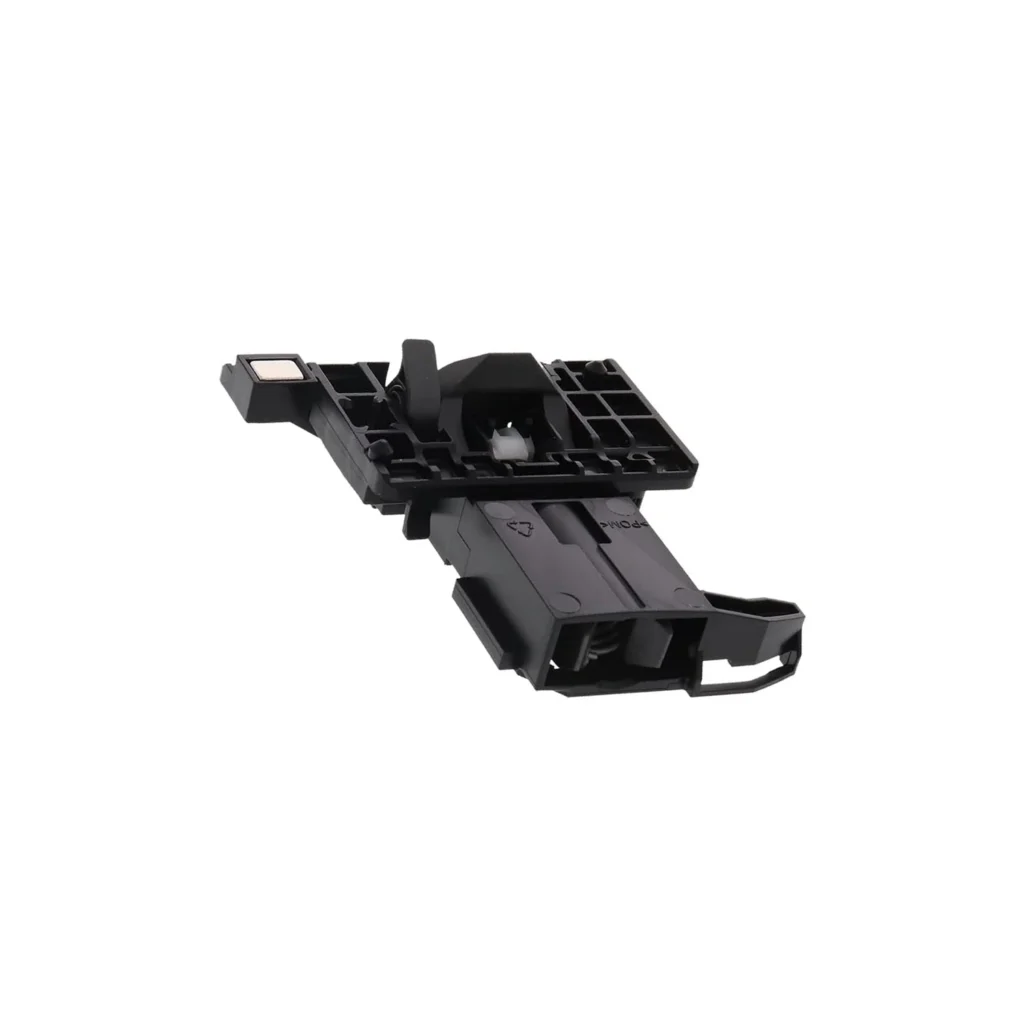
Most Bosch dishwasher door lock assemblies should last 8–12 years, but the average replacement happens around year 5. That's a problem when you consider the part costs what it does and the headache of a dishwasher that won't start. The door lock assembly in models like the SGE53X55UC/51 and SHE89PW75N takes a beating every single cycle — it's clicking, locking, and releasing hundreds of times per year.
Here's the thing: most door lock failures aren't sudden. They give you warnings. The latch starts feeling loose, the door doesn't click shut like it used to, or the dishwasher randomly refuses to start even though the door looks closed. Catching these signs early can buy you years.
How Long Should It Last?
Under normal conditions, a Bosch door lock assembly should give you 8–12 years. But "normal" is doing the heavy lifting there. If you're slamming the door, overloading the top rack so it pushes against the door, or your home has hard water causing mineral buildup around the latch mechanism, you're looking at 4–6 years instead.
The assembly itself has moving parts — a spring-loaded striker, an electronic lock mechanism, and the physical latch housing. Any of these can wear out independently. What kills them fastest? Heat cycling (the lock sits right where steam escapes), detergent residue getting into the mechanism, and physical stress from improper door closing.
With proper care, you can push this closer to 12–15 years. That means gentle door closing, regular cleaning around the latch area, and not ignoring early warning signs.
Signs It's Wearing Out
The door lock doesn't just quit on you one day. It telegraphs the failure weeks or months in advance. Here's what to watch for:
Door Won't Close Properly
This is the most obvious one. You push the door shut and it bounces back slightly, or it closes but doesn't give you that solid click you're used to. Sometimes it'll close on the second try. That's the striker plate wearing down or the latch mechanism losing tension. On models like the SGE68X55UC series, this often shows up as the door sitting slightly proud of the cabinet face — maybe a quarter inch gap at the top.
Don't ignore this. Once the door isn't fully engaging the lock, you're putting lateral stress on parts that weren't designed for it. That accelerates the failure.
Will Not Start
The door looks closed, you hit start, and... nothing. No lights, no water fill, no response. This happens when the electronic switch inside the lock assembly fails to signal the control board that the door is secure. It's a safety feature — the dishwasher won't run with an open door — but when the switch goes bad, it thinks the door is always open.
Before you replace anything, try this: open and firmly close the door three times. If it starts on the third try, your lock assembly is on its way out. The switch contacts are dirty or worn, making intermittent connection.
Door Latch Failure
This is the endgame. The physical latch mechanism breaks — usually the plastic striker or the spring that returns the latch to position. You'll know because the door just hangs there. No resistance when you close it, no click, nothing. Sometimes you can manually push the latch and it'll stay depressed instead of springing back.
If you're seeing white plastic dust or fragments around the latch area, that's pieces of the striker plate deteriorating. This happens faster in homes with hard water because mineral deposits make the plastic brittle.
When to Replace vs Maintain
Here's the honest truth: this isn't a part you repair. Once the door lock assembly shows symptoms, you're in replacement territory. There are no serviceable components inside — it's a sealed unit. But maintenance can prevent you from getting there prematurely.
Replace immediately if: the door won't latch at all, you see physical cracks in the housing, or the dishwasher won't start even after multiple door open/close cycles. Don't try to limp along with a failing lock. An unsecured door during the wash cycle can leak, and you don't want to discover that while you're at work.
Maintain and monitor if: the door closes but feels loose, you occasionally get a won't-start condition that resolves with a door re-close, or you notice detergent buildup around the latch. Clean it, adjust your door-closing habits, and check it monthly. You might get another year or two.
One more thing: if you're replacing the assembly, that's the time to inspect the door itself. A warped or misaligned door will kill the new lock just as fast as it killed the old one. Models like the SMI50C16GB/01 have adjustable door springs — check those while you're in there.
Frequently Asked Questions
Can I lubricate the door lock to make it last longer?
No, and you'll make it worse. The lock mechanism is electronic, and any lubricant will attract detergent residue and food particles. Instead, wipe the latch area monthly with a damp cloth to remove buildup. That's all the maintenance it needs.
Why does my door lock work fine when cold but fail after a wash cycle?
Heat expansion. The plastic components expand when hot, and if they're already worn, that expansion prevents proper engagement. This is a clear sign you're within months of total failure. The parts have worn to the point where thermal expansion tips them over the edge. Start shopping for a replacement — you'll need it soon.
Does hard water affect the door lock assembly?
Indirectly, yes. Hard water doesn't damage the electronic components, but mineral buildup around the strike plate can prevent smooth latch engagement. Over time, that extra resistance wears the mechanism faster. If you have hard water, wipe down the door gasket and latch area monthly. It takes 30 seconds and can add years to the assembly's life.
Element showing wear?
10006917 · Replace before it fully fails