
How to Extend Your Whirlpool Gas Valve Coil Life — Maintenance Guide
Always disconnect gas supply and electrical power before performing any maintenance on gas valve components. Natural gas and propane are highly flammable.
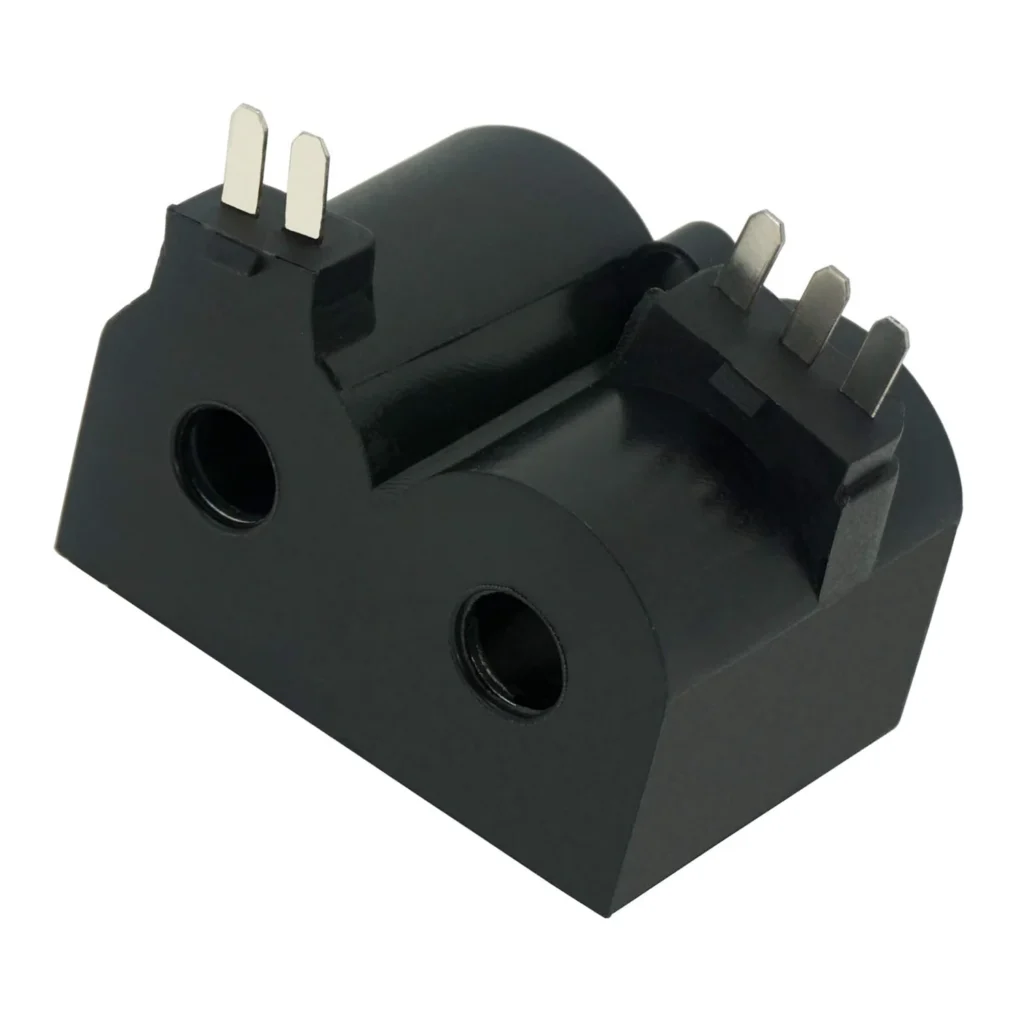
Most gas valve coils in Whirlpool dryers should last 8-12 years. But I see them fail at year 3 or 4 all the time. The difference? Usually dust buildup and voltage fluctuations that nobody thinks about until their dryer won't heat. One customer told me their "gas dryer stopped heating" right before Thanksgiving — classic scenario. The coils had been working overtime in a laundry room that hadn't been cleaned in two years.
Here's the thing about gas valve coils: they're electromagnetic components that control gas flow to your burner. They handle rapid on-off cycles every time you dry a load. That's a lot of electrical stress, and it adds up over thousands of cycles.
How Long Should It Last?
Under normal conditions, the W10328463 gas valve coil kit should give you 8-12 years. I've seen units in clean environments with stable power go 15 years. But here's what shortens that lifespan:
- Lint accumulation around the gas valve assembly — traps heat and makes the coils work harder
- Power surges or voltage drops — weakens the electromagnetic field over time
- Moisture intrusion — corrodes connections and reduces conductivity
- Constant cycling — running small loads back-to-back doesn't give components time to cool
With proper maintenance, you can push that to 12-15 years. It's not complicated, but you need to be consistent.
Signs It's Wearing Out
Gas valve coils don't just die overnight. They give you warnings. Pay attention to these specific symptoms, especially in models like the WGD4815EW2 or MGDC465HW:
Dryer Won't Heat
This is the classic final failure mode. You hear the motor running, drum's turning, but zero heat. What's happening: one or both coils have failed open circuit. The gas valve can't open without that electromagnetic pull. Before you replace anything, check if there's even a little warmth in the first 60 seconds — that tells you if it's intermittent or completely dead.
Flame Shuts Off After Seconds
This one's trickier. The igniter glows, flame appears for 5-10 seconds, then cuts out. The cycle repeats. That's usually a weak coil that can't maintain the magnetic field. It's getting enough juice to open the valve initially, but not enough to keep it open. I've tested dozens of these with a multimeter — they measure within spec when cold but fail under operating temperature.
Inconsistent Heating Cycles
Some loads dry fine, others don't. Or the dryer heats for the first 20 minutes then stops. That's a coil breaking down internally — insulation degrading, windings developing micro-breaks. It works when it's cool, fails when it gets hot. If you're experiencing this with your WGD5000DW or 7MWGD9270XR1, test the coils before winter when you need reliability.
When to Replace vs Maintain
Here's the honest framework I use:
Maintain if: Your dryer is heating normally and you're being proactive. The coils have no visible damage or corrosion. You're at year 5-8 and want to prevent problems. Regular cleaning and inspection can buy you another 3-5 years.
Replace if: You've got either of the two main symptoms above. A multimeter test shows resistance outside the normal range (usually 1000-1500 ohms, but check your model). There's visible burn marks or the coil housing is cracked. One customer found this out the hard way — "Super smart husband used multi meter to check out all the parts" and confirmed the coils were shot. They ordered the W10328463 kit with fast shipping and had heat back within three days.
Don't waste time trying to "fix" a failed coil. They're not repairable. But you can absolutely prevent premature failure with basic maintenance.
Frequently Asked Questions
How often should I clean around the gas valve assembly?
Every six months minimum. Pull the lower front panel off your Whirlpool, Maytag, or Kenmore dryer and vacuum around the burner housing and valve. Takes 10 minutes. If you dry a lot of towels or pet bedding, do it quarterly. Lint is conductive enough to cause voltage leakage paths, and it insulates heat that should dissipate.
Can I test the coils without removing them?
Yes, but you need a multimeter. Unplug the dryer, disconnect one wire from each coil terminal, and measure resistance. You're looking for 1000-1500 ohms typically, but check your specific model's service manual. Zero ohms means it's shorted. Infinite resistance means it's open. Either way, it's done. Some techs test under power to check voltage drop, but that's more advanced and potentially dangerous if you don't know what you're doing.
Will a surge protector actually help these coils last longer?
Absolutely. Gas valve coils are surprisingly sensitive to voltage spikes. A decent whole-appliance surge protector (not the cheap power strip kind) smooths out those fluctuations. I've seen coils in homes with clean power last significantly longer than identical models in areas with frequent brown-outs or surges. It won't help if the dryer's in a dusty environment, but it removes one major stress factor.
Element showing wear?
W10328463 · Replace before it fully fails