
How to Extend Your Whirlpool Washer Door Latch Life — W10482836 Maintenance Guide
Always unplug washer before inspecting or cleaning door latch assembly. This is an electrical component that controls a safety interlock. Never bypass or disable the door latch—it prevents the washer from spinning with the door open.
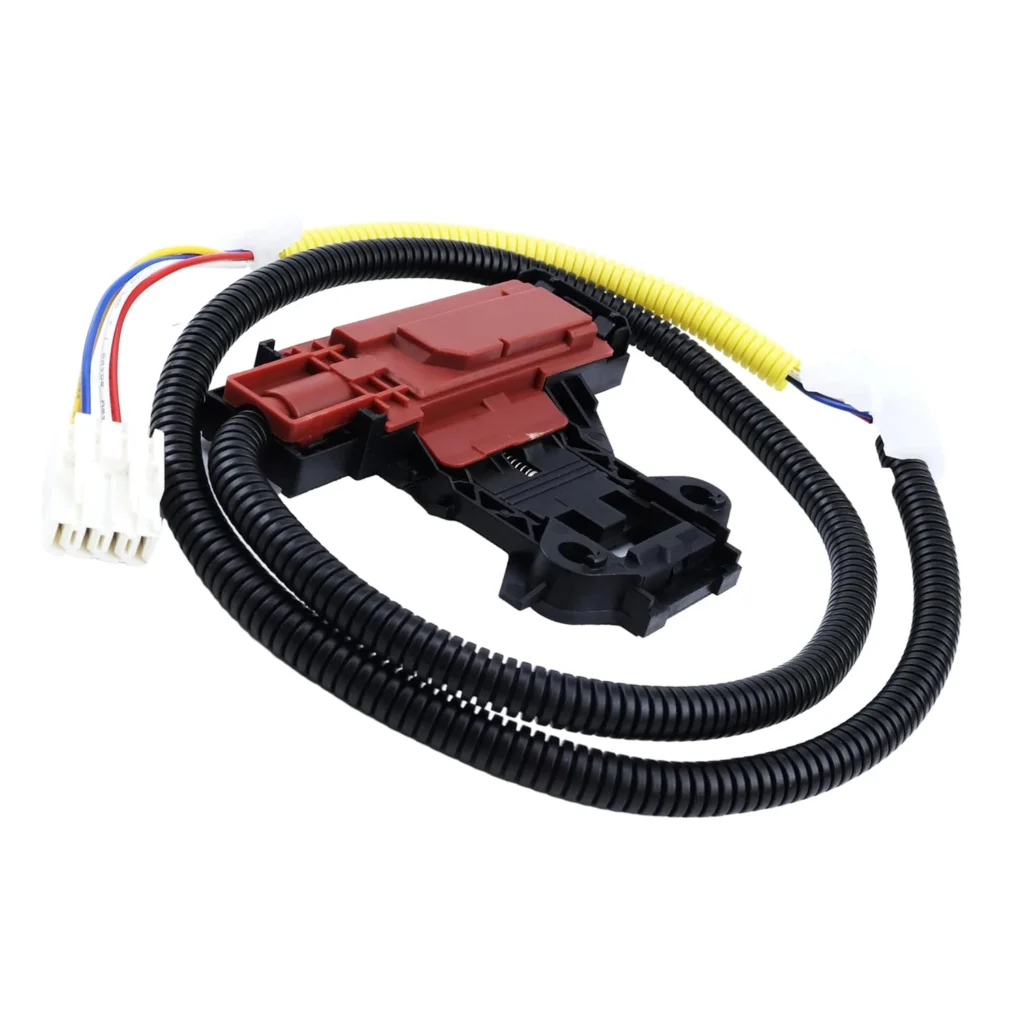
Your Whirlpool washer's door latch (W10482836) should last 8-12 years, but most fail around year 5. The difference? How you treat that door between loads.
This isn't complicated stuff. The latch assembly in models like the MVWP575GW0, CAE2745FQ0, and hundreds of other Whirlpool, Maytag, and Kenmore washers takes a beating every single cycle. It's plastic components, spring-loaded mechanisms, and electrical contacts working together—and every slam, every misalignment, every bit of detergent residue shortens its life.
How Long Should It Last?
Under normal conditions, the W10482836 door latch assembly is rated for approximately 10,000 cycles. If you're doing 8-10 loads per week, that's about 10 years. But here's what actually happens:
Most door latches fail between 4-6 years because of preventable wear. The striker on the door gets misaligned. Detergent buildup gums up the mechanism. The spring loses tension from repeated slamming. Or water seeps into the electrical contacts from using too much detergent.
With proper care? You'll hit that 10-year mark, sometimes longer. I've seen well-maintained latches on 12-year-old machines still clicking solid.
Signs It's Wearing Out
The latch doesn't suddenly fail overnight—it gives you warnings. Pay attention to these:
Door Takes Multiple Attempts to Latch
You push the door closed, hear a partial click, but the machine won't start. You push again—click—nothing. Third time's the charm. That's the striker plate wearing down or the latch mechanism losing spring tension. The electrical contacts inside aren't making proper connection on first attempt anymore.
This happens gradually. First it's occasional, then it's every other load, then you're slamming the door harder to make it catch. Don't slam it harder—that accelerates the damage.
Door Doesn't Release After Cycle Completes
The cycle finishes, you pull the handle, and nothing. The door stays locked. You wait a minute, try again—still locked. Eventually it releases, but you're standing there wondering if your laundry's being held hostage.
This usually means the latch solenoid is sticking. Could be detergent residue, could be the solenoid itself wearing out, or the release mechanism is binding. Either way, it's a sign the assembly is on borrowed time.
Visible Cracks or Loose Components
Open the door and inspect the latch housing on the door frame. Look for hairline cracks around the mounting screws, stress fractures on the plastic housing, or any movement when you press on it. The striker plate on the door itself should be firmly mounted—if it's loose or bent, that's causing misalignment with every load.
Also check the wiring connector. It should be dry, snug, and free of corrosion. White crusty buildup around the terminals? That's detergent residue working its way into places it shouldn't be.
Maintenance Schedule That Actually Works
After Each Use
Leave the washer door open between loads. Not just cracked open—all the way open. This lets moisture evaporate instead of creating a humid environment that corrodes the latch contacts and promotes mildew growth around the door seal.
Close the door gently. Don't slam it. The latch mechanism is spring-loaded—it doesn't need force. A gentle push until you hear the click is enough. Every slam stresses the plastic housing and the spring mechanism inside.
Monthly
Wipe down the door striker and latch housing with a damp cloth. You're removing detergent residue and fabric softener buildup before it hardens. Pay attention to the striker plate on the door—that metal or plastic tab that engages with the latch. Keep it clean and check that it's still firmly mounted.
Test the door alignment. Close the door slowly and watch how the striker meets the latch. It should engage smoothly without the door having to shift left or right. If you're seeing misalignment, the door hinges might need adjustment or the striker plate has loosened.
Every 3-6 Months
Deep clean around the latch assembly. Unplug the washer (this is an electrical component). Use a toothbrush and a 50/50 mix of white vinegar and water to clean the latch housing, the striker, and the surrounding area. Get into the crevices where detergent accumulates.
Check the mounting screws. The latch assembly on models like the CAE2763BQ0 and MVWP575GW1 is held in place with two or three screws. Make sure they're snug—not overtightened (that cracks the plastic), just snug. A loose latch moves with every cycle, accelerating wear on all components.
Inspect the wiring harness. Follow the wires from the latch assembly back to the connector. Look for any signs of chafing, pinching, or stress. Make sure the connector is dry and the terminals are clean. A drop of dielectric grease on the connector terminals helps prevent corrosion, but don't go crazy—a tiny amount is plenty.
When to Replace vs Maintain
Here's the honest truth: some things you can't maintain your way out of.
If the door won't latch at all, maintenance won't fix it. The W10482836 assembly is a sealed unit—you can't repair the internal mechanism. If the latch is cracked, if it won't engage even when clean and aligned, or if the door won't unlock after cycles, you're looking at replacement.
But if you're catching the early warning signs—occasional latching issues, slight delays in releasing, minor misalignment—that's when maintenance makes the difference between replacing it now versus getting another few years out of it.
The $68.99 for the W10482836 assembly is a lot cheaper than a service call or a new washer. But spending 10 minutes every few months cleaning and checking things? That's how you avoid that expense altogether.
What Kills Door Latches Early
Let's talk about what actually causes these to fail before their time:
Slamming the door. Every slam sends shock through the plastic housing and stresses the spring mechanism. The striker plate gets dinged up, the mounting screws loosen, and the electrical contacts inside get jarred. Close it gently.
Too much detergent. Excess suds leave residue everywhere, including inside the latch mechanism. That residue hardens, gums up the moving parts, and creates a humid environment that corrodes electrical contacts. Use the right amount of HE detergent—usually way less than you think.
Forcing a misaligned door. If the door doesn't want to latch on first try, don't force it. Figure out why. Is the striker bent? Are the hinges sagging? Forcing it just damages both the striker and the latch faster.
Leaving it closed between loads. Trapped moisture accelerates corrosion and creates an environment for mildew growth that works its way into seals and mechanisms. Always leave the door open when not in use.
Frequently Asked Questions
Can I use WD-40 on the door latch mechanism?
No. WD-40 attracts dirt and lint, which will gum up the mechanism faster. If something's sticking, clean it with vinegar and water, then dry it completely. If it still sticks after cleaning, the internal mechanism is worn and needs replacement. The W10482836 is a sealed assembly—there's no safe way to lubricate the internals.
How do I know if the problem is the latch or the door striker?
Inspect both visually. The striker (on the door) should be firmly mounted and undamaged. If it's loose, bent, or the mounting holes are wallowed out, that's your problem. The latch housing (on the frame) should have no cracks and should feel solid when you press on it. If both look good but the door won't latch, try closing the door slowly and watching where the striker meets the latch—misalignment means door hinge or striker adjustment is needed before replacing the latch.
Will the washer work if I bypass the door latch?
Absolutely not, and don't try it. The door latch is a safety interlock—it prevents the washer from spinning with the door open. Bypassing it creates a serious safety hazard. If your latch has failed and you need to use the washer before the part arrives, you don't have a safe workaround. Order the W10482836, wait the 2-3 days for shipping, and install it properly. This isn't a component you want to jury-rig.
Element showing wear?
W10482836 · Replace before it fully fails