
How to Keep Your Frigidaire Refrigerator Door Handle from Breaking — Maintenance Guide
Never overtighten mounting screws — this cracks the plastic mounting block more reliably than undertightening. Use a manual screwdriver, not a power drill.
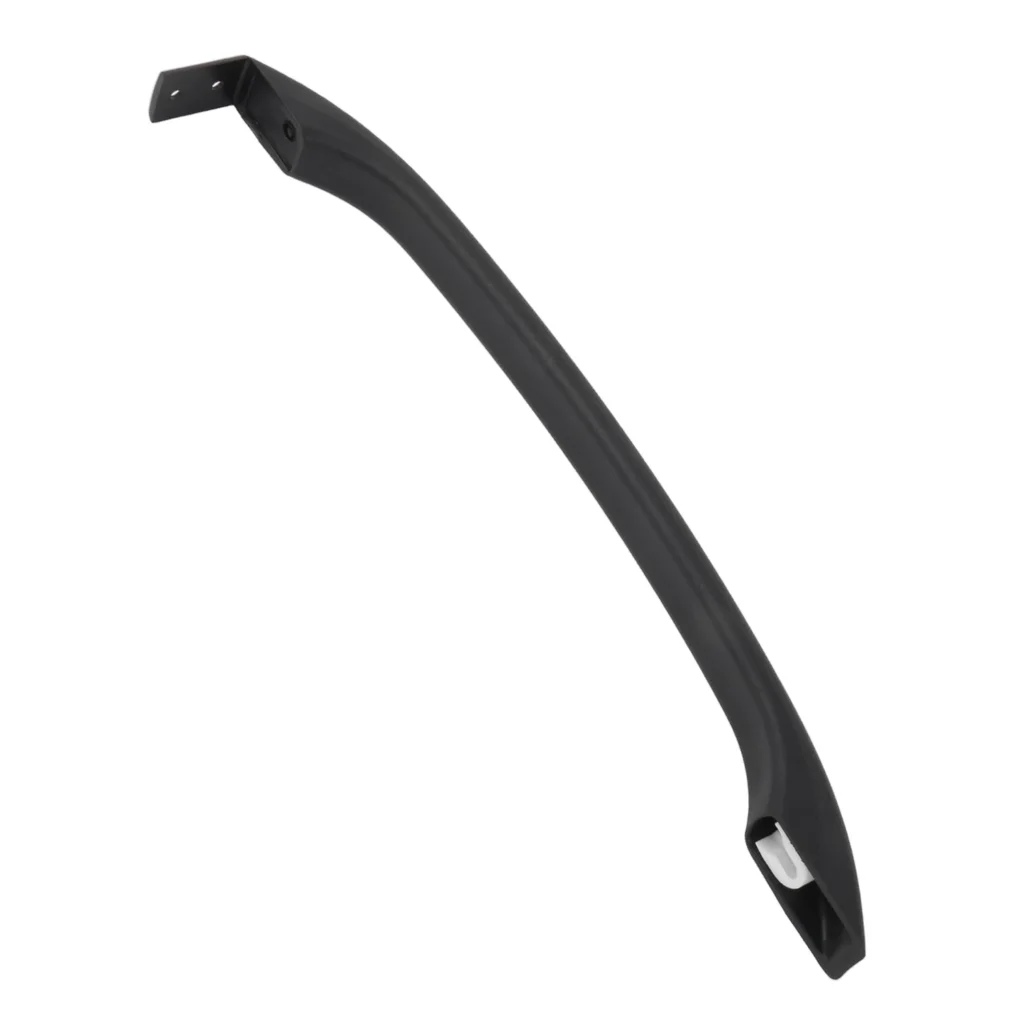
Here's something most people don't think about until it's too late: that refrigerator door handle you grab 20-30 times a day? It's engineered to last about 5-7 years under normal use. But "normal use" doesn't account for wet hands, kids pulling it sideways, or the mounting block slowly loosening from repeated stress.
The 218428121 door handle assembly for Frigidaire, Electrolux, and Kenmore refrigerators (also fits models FFHT1513LB3, FFHT1715LB0, LFHT1713LB0, and dozens more) includes both the handle and mounting block — which means when one fails, you're replacing both. Let's make sure you get the full lifespan out of it.
How Long Should It Last?
Factory-installed handles typically last 5-7 years. Replacement handles can match that if maintained properly, but most fail earlier due to three specific issues:
- Mounting block loosening — screws work loose from repeated pulling, creating wobble that cracks the plastic
- Side-load stress — pulling at an angle puts pressure on points not designed for it
- Temperature cycling — the plastic expands and contracts with kitchen temperature changes, eventually creating microfractures
With proper maintenance, you'll hit that 7-year mark. Without it, expect replacement around year 3-4.
Signs It's Wearing Out
Check your handle monthly for these warning signs. Catching them early means tightening a screw instead of ordering a new handle.
Visible Play or Wobble
Grab the handle and gently wiggle it up and down, then side to side. Zero movement is ideal. Any wiggle means the mounting screws have loosened or the mounting block is beginning to fail. This is the #1 predictor of handle failure — that slight movement multiplies the stress on mounting points with every pull.
Hairline Cracks Near Screw Holes
Look closely at where the mounting block attaches to the door. Hairline cracks radiating from screw holes indicate stress fractures. They start small but propagate quickly once they begin. Shine a flashlight at an angle to spot them — they're nearly invisible in overhead lighting.
Handle Feels Sticky or Rough
The smooth plastic finish should stay smooth. If it feels tacky, rough, or like there's a film buildup that won't wipe off, the plastic is beginning to degrade. This happens when harsh cleaners break down the surface layer, making it more brittle.
Unusual Creaking Sounds
A healthy handle is silent. Creaking or clicking when you pull it indicates either loose hardware or internal stress in the mounting assembly. Don't ignore it — that sound is friction where there shouldn't be any.
When to Replace vs Maintain
Here's the honest assessment: if you've got visible cracks in the handle itself (not just the mounting area), replacement is your only option. This plastic doesn't repair reliably.
But if your handle is wobbly with no cracks? That's a 10-minute fix. Remove the mounting block screws, check the door surface for damage, and reinstall with firm (not overtight) pressure. Use a manual screwdriver, not a drill — overtightening causes more cracks than undertightening.
If the mounting block has cracks but the handle is fine, you can sometimes order just the block. But at $51.99 for the complete 218428121 assembly with both pieces, most people replace the whole unit for peace of mind.
Frequently Asked Questions
How often should I tighten the mounting screws?
Check them every 3-4 months. You're not necessarily tightening every time — just checking for looseness. If you've got kids who hang on the door or a household that opens the fridge constantly, check monthly. Loose screws are responsible for about 60% of premature handle failures.
Can I use any cleaner on the handle?
No. Avoid anything with ammonia, bleach, or abrasive particles. These break down the plastic's UV stabilizers and make it brittle. Use warm water and mild dish soap on a soft cloth. That's it. The plastic is already engineered to resist fingerprints — harsh cleaners just damage it.
Why does my replacement handle feel different than the original?
Manufacturing variations, mostly. OEM parts like the 218428121 should match exactly in fit, but slight differences in texture or finish are normal between production runs. What matters is the mounting dimensions and structural strength. If it fits the screw holes perfectly and doesn't wobble after installation, you're good.
Element showing wear?
218428121 · Replace before it fully fails