
How to Extend Your Whirlpool Water Temperature Sensor Life — W10467289 Maintenance Guide
Always disconnect power before inspecting or replacing the temperature sensor. Water and electricity are a dangerous combination — verify the cabinet interior is dry before working inside.
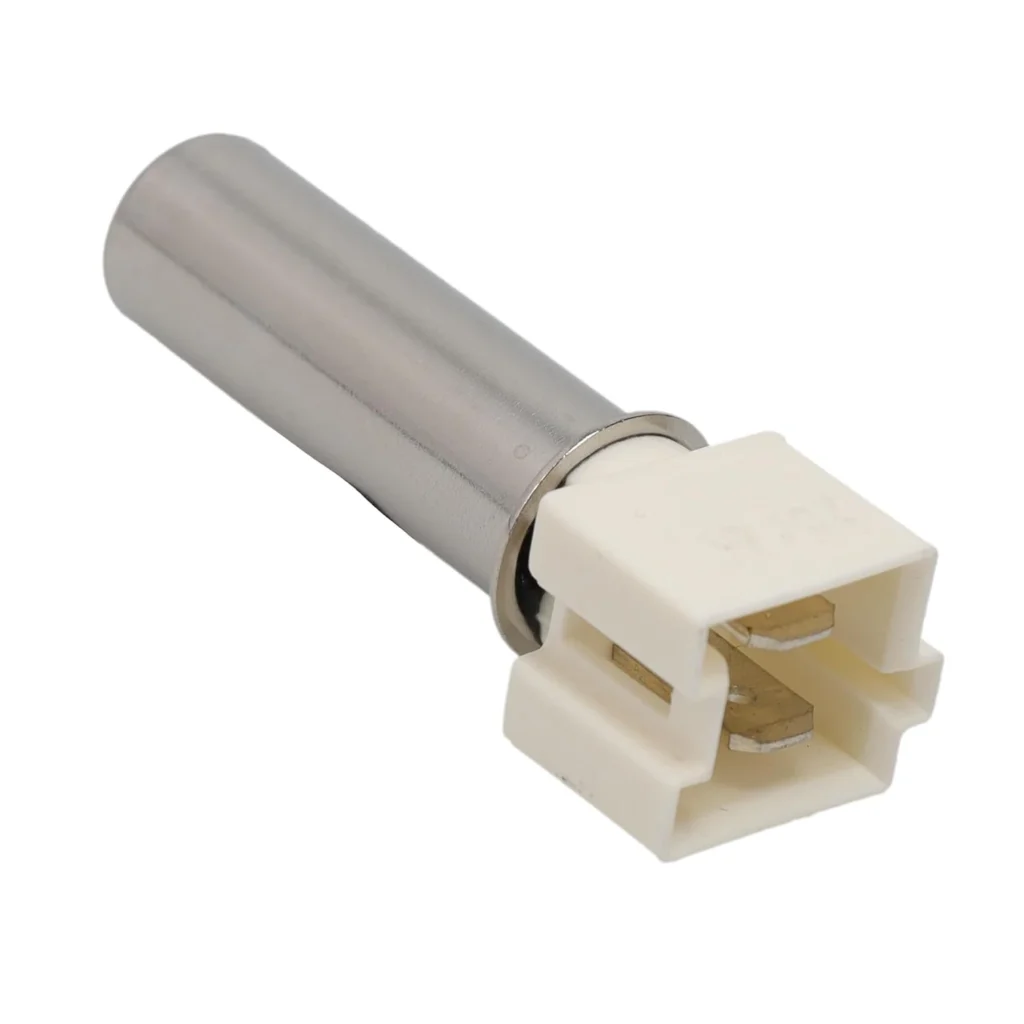
Most Whirlpool water temperature sensors should last 8-12 years, but most fail around year 5. The reason? Thermal stress cycles — your sensor heats up and cools down hundreds of times per year, gradually weakening the solder joints and wire connections inside. Add in vibration from spin cycles and the occasional leak, and you've got a part that needs attention.
The good news: with basic preventive care, you can push that lifespan closer to 10+ years and avoid the $150-200 service call when it fails mid-cycle.
How Long Should It Last?
Under normal conditions, the W10467289 temperature sensor should give you 8-12 years of service. But "normal" is doing a lot of work in that sentence. If you're running 10+ loads per week with extreme temperature swings (cold rinse to sanitize cycles), you're creating more thermal stress. If your washer vibrates excessively or you've had any water leaks inside the cabinet, expect the lower end of that range.
The thermistor inside the sensor degrades gradually. It doesn't usually fail catastrophically — it drifts. Your hot washes start feeling lukewarm. Your sanitize cycle doesn't quite hit temperature. Then one day you get error codes and the washer won't advance through the cycle.
With proper maintenance — keeping the sensor dry, checking wire connections, and catching problems early — you can realistically expect 10-12 years from this part on models like the WFW9400SW01, WFW97HEXR0, or WFW95HEXW0.
Signs It's Wearing Out
Temperature sensors don't fail with a bang — they fail with inconsistency. Here's what to watch for:
Washer Won't Advance Through the Cycle
This is the classic failure mode. Your washer fills, agitates a bit, then just stops. Won't move to rinse, won't drain, won't do anything. The control board is waiting for a temperature reading that never comes. You might see error codes flashing (F06 E02 is common), or the washer might just sit there looking confused.
One user on a WFW9400SW02 put it this way: "Replaced the water temperature sensor and cleared out the error codes. Washer has been working fine. Turned out to be a very easy fix." The sensor had drifted enough that the control board couldn't trust its readings.
Inconsistent Wash Temperatures
Your hot washes feel barely warm. Your warm washes are ice cold. Your sanitize cycle doesn't sanitize. Erratic temperature readings are often the first sign of sensor degradation — the thermistor is still working, but it's giving wonky values. The control board does its best, but garbage data in means unpredictable temperatures out.
Wire Connection Failures
Here's the sneaky one: the sensor itself might be fine, but the wiring fails. Washer vibration gradually works the wires loose or splits them at stress points. One user traced intermittent failures to a split wire at a zip tie: "Every time I moved the wires the washer would stop running and the error code would flash. Sure enough, like many others posted, the vibration from the machine had split the wire."
If your washer works sometimes but throws errors other times, suspect wire damage before replacing the sensor.
Maintenance Schedule That Actually Works
After Each Leak or Service Call: Check the sensor area for moisture. Water and electronics don't mix. If you've had any leaks inside the cabinet, pull the back panel and verify the sensor and its connections are dry. Corrosion starts fast in damp environments.
Every 6 Months: Inspect wire connections. This takes 5 minutes. Remove the back panel (on Duet Sport models, it's rear access, not front). Look at where the black wires connect to the sensor. Wiggle them gently. Any looseness or visible wire damage? Fix it now before it strands you mid-laundry.
Annually: Run a diagnostic cycle if your model supports it. Many Whirlpool front-loaders have a built-in diagnostic mode that'll test the temperature sensor. Consult your manual, but it's usually some combination of button presses at power-up. The diagnostic will flag a failing sensor before it completely dies.
When to Replace vs Maintain
Let's be honest: this isn't a serviceable part. You can't "fix" a bad thermistor. But you can prevent premature failure by maintaining the environment around it.
Replace immediately if you're getting consistent error codes related to temperature (F06 E02, for example) or the washer won't complete cycles. Don't troubleshoot forever — a $30 sensor isn't worth hours of diagnosis.
Maintain it if everything's working but you want to prevent failure. Check those wire connections, keep moisture away, and you'll get the full lifespan out of the part.
One critical note: the W10467289 sensor doesn't include seal WP8540766. If you're replacing the sensor, order that seal separately or you'll have a leak path. Don't ask me how I know.
Frequently Asked Questions
Where exactly is the sensor located on my washer?
On most Whirlpool front-loaders, it's at the rear of the machine, accessible by removing the back panel. But double-check your model. Some videos show front access — that's not universal. On Duet Sport models specifically, you definitely need rear access. The sensor threads into the sump or water circulation system.
Can vibration really damage the sensor wiring?
Absolutely. Washers vibrate thousands of times per cycle during spin. That constant flexing fatigues wires at stress points, especially where they're zip-tied or pass through tight spaces. It's not the sensor failing — it's the mechanical stress on connections. Always secure wiring properly during any repair.
Will a failing sensor cause my washer not to start at all?
Sometimes. If the control board can't get an initial reading from the temperature sensor, some models will refuse to start as a safety measure. More commonly, the washer starts but won't advance past the fill stage or won't heat water properly. Complete failure to start is less common but possible, especially on newer models with more protective programming.
Element showing wear?
W10467289 · Replace before it fully fails