
Samsung Refrigerator Ice Building Up in Freezer — 5 Causes & How to Fix
You open your Samsung freezer and there's a sheet of ice creeping up the back wall. Maybe it's just a thin layer now, but give it a week and you'll need a chisel. I've seen this hundreds of times on models like the RF263BEAESR and RF26HFENDSR — the good news is it's usually one of five fixable problems.
Quick Symptom Check
- Ice accumulation on freezer back wall or ceiling — starts thin, gets thicker over days
- Freezer temperature fluctuating — sometimes too cold, sometimes too warm
- Frost patterns in unusual spots — corners, around vents, or uneven coating
- Frozen food getting soft periodically — partial thawing during defrost failures
- Compressor running constantly — working overtime to compensate
Cause #1: Failed Bimetal Defrost Thermostat (65% of Cases)
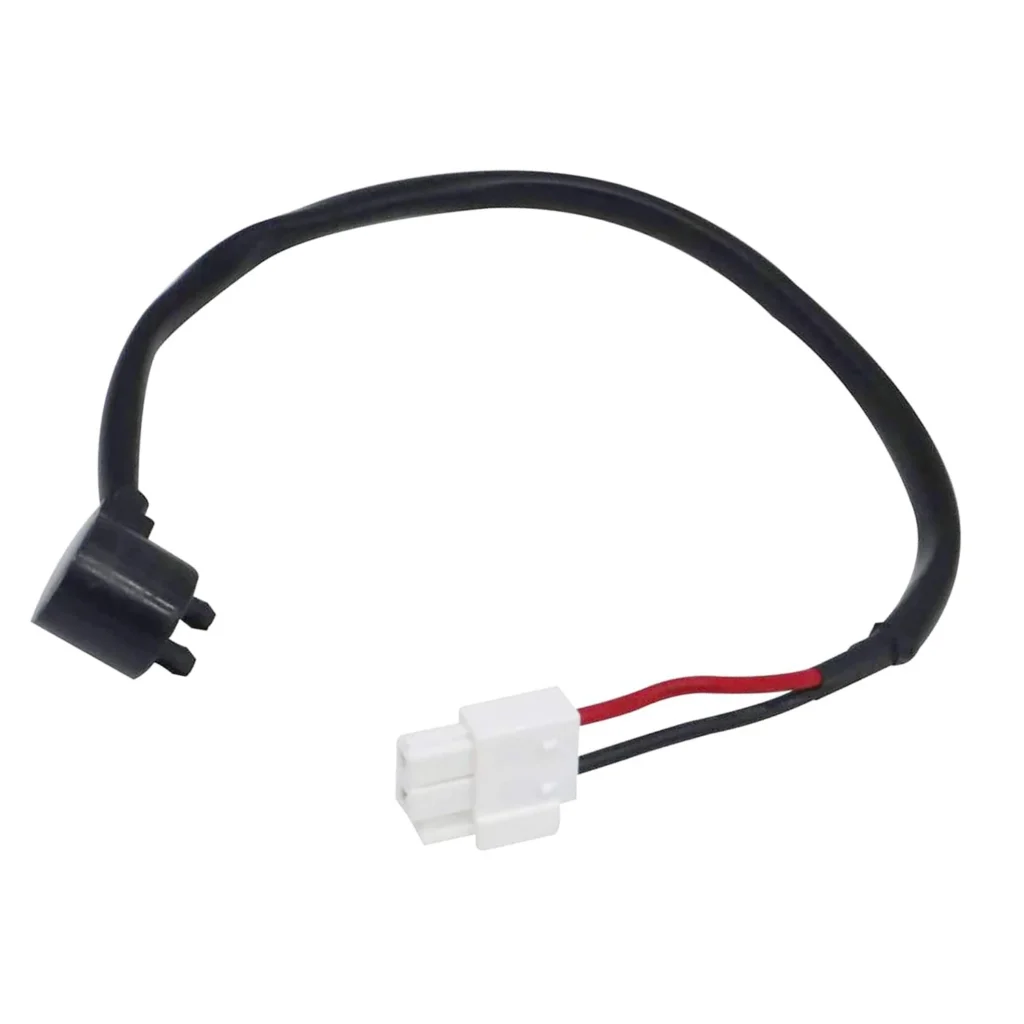
The bimetal defrost thermostat (part DA47-00243K) is the most common culprit. This small component tells your fridge when it's cold enough to end the defrost cycle. When it fails, your defrost heater either never turns on or stays on too long.
What happens: The thermostat typically fails due to age or electrical issues, causing it to stop opening or closing properly during the defrost cycle. On models like the RF197ABPN and RF217ACRS, this part sits right on the evaporator coils and takes constant temperature abuse.
How to test it:
- Unplug your fridge and locate the thermostat on the evaporator cover (usually requires removing freezer shelves and panels)
- Disconnect the wiring harness and remove the thermostat
- Use a multimeter set to continuity mode
- At room temperature, it should show NO continuity (open circuit)
- Place it in ice water — it should close and show continuity when cold enough
- If it stays open or closed regardless of temperature, it's dead
Difficulty: Moderate. You'll need to remove panels, but the part itself is a simple two-wire connector.
Cost: $40–$60 for the genuine Samsung part
Cause #2: Defrost Heater Element Burned Out
Even with a working thermostat, the heater itself can fail. You'll see ice buildup because nothing's melting the frost that naturally accumulates.
Test: With power off, disconnect the heater and check for continuity. Most Samsung heaters should read 350–500 ohms. No reading? It's toast.
Probability: About 20% of ice buildup cases. Often happens on units 5+ years old.
Cause #3: Defrost Control Board Malfunction
The main control board initiates defrost cycles every 8–10 hours. When it glitches, your fridge might skip defrost cycles entirely or run them too frequently.
Signs it's the board:
- Ice buildup accompanied by error codes
- Erratic temperature swings you can't explain
- Replacing the thermostat didn't help
This is harder to diagnose without a service manual. If your thermostat and heater test fine, the board's your next suspect.
Cost: $150–$300 for the control board
Cause #4: Door Gasket Letting Humid Air In
A worn door seal lets warm, humid air into your freezer constantly. The evaporator coils can't keep up with the moisture, so ice forms faster than the defrost cycle can handle.
Quick test: Close the door on a dollar bill. If you can pull it out easily, your seal's weak. Check all four sides.
Probability: 10% — usually obvious if you look for it
Cause #5: Blocked or Frozen Defrost Drain
Water from the defrost cycle needs somewhere to go. If the drain tube freezes or gets blocked with food particles, water pools and re-freezes as ice sheets.
How to clear it: Locate the drain hole at the back bottom of the freezer. Pour warm water mixed with baking soda down it. If it backs up, use a turkey baster to force water through or carefully use a pipe cleaner.
Probability: 5% as a primary cause, but often a contributing factor
When to Call a Pro
Be honest with yourself here. If you're comfortable pulling panels and testing electrical components with a multimeter, the thermostat replacement is totally DIY-friendly. But if you've replaced the thermostat and heater and still have ice buildup, you're likely looking at a control board issue or a sealed system problem (refrigerant leak). That's when you call someone.
Also, if your fridge is still under warranty, don't touch it — let Samsung handle it.
Frequently Asked Questions
How often should a Samsung refrigerator run a defrost cycle?
Most Samsung models run automatic defrost every 8–10 hours of compressor runtime. You shouldn't see any frost accumulation if it's working correctly. If you're getting ice buildup between cycles, something in the defrost system has failed.
Can I just manually defrost and keep using the fridge?
Sure, but you'll be doing it every week or two, and you're risking food spoilage. The ice buildup also makes your compressor work harder, increasing your electric bill by 20–30%. Fix the root cause — it's cheaper in the long run.
Will a failed defrost thermostat damage other parts?
Not directly, but excessive ice buildup can block airflow, strain the compressor, and cause the evaporator fan to work overtime or even break if ice jams it. The thermostat itself is a $50 part — letting it go can create $500+ in additional repairs.
Diagnosed the problem?
DA47-00243K · In Stock · Fast shipping