
How to Extend Your Samsung Dishwasher Leak Sensor Life — DD94-01062A Maintenance Guide
Always disconnect power before accessing the sensor area. Standing water near electrical components creates shock risk.
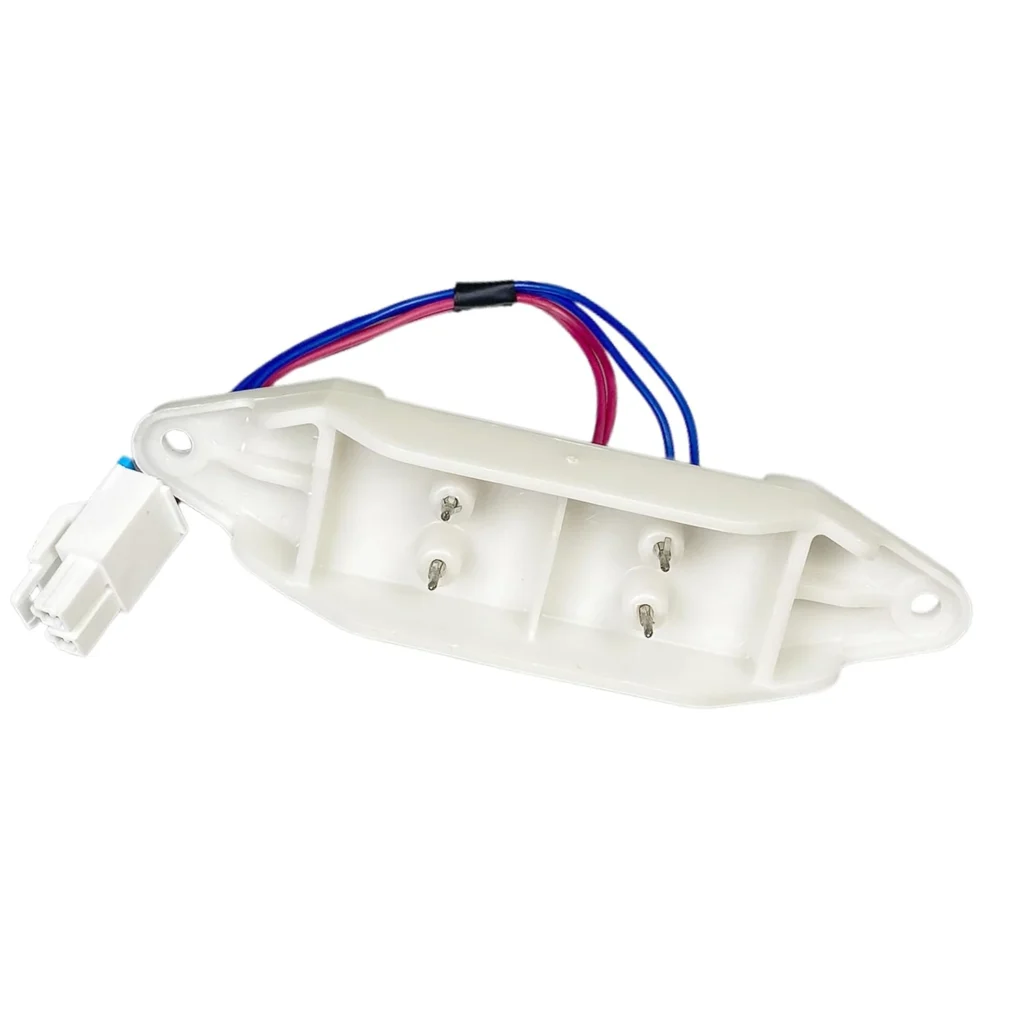
Most Samsung dishwasher leak sensors fail within 3-5 years, but they're designed to last 10-12 years. The difference? It's not the sensor itself that fails — it's what surrounds it. Calcium buildup, detergent residue, and standing water gradually turn a perfectly good sensor into a false-alarm machine.
The DD94-01062A leak sensor sits at the bottom of your Samsung dishwasher, waiting to detect water where it shouldn't be. It's essentially a float switch — simple, reliable, and surprisingly vulnerable to the very environment it monitors.
How Long Should It Last?
Under ideal conditions, your leak sensor assembly should outlast your dishwasher. The electronic components are solid-state with no moving parts except the float mechanism. Here's what actually determines lifespan:
- Water hardness: Hard water deposits are the #1 killer. They cement the float in place or create false readings.
- Detergent type: Powder detergents leave more residue than pods, gradually coating the sensor housing.
- Installation quality: If the sensor isn't seated properly during initial install or after a repair, water can pool around it unnecessarily.
- Drain efficiency: A partially clogged drain means the sensor sits in water longer after each cycle.
Models like the DW80F600UTS and DMT800RHS are particularly sensitive to standing water because of their low-profile tub design. The sensor sits in the deepest part of the basin.
Signs It's Wearing Out
The sensor doesn't gradually fail — it either works or it doesn't. But you'll get warnings before complete failure:
False Leak Alarms (LC or LE Error Code)
Your dishwasher stops mid-cycle and displays LC or LE. You open the door expecting a flood, but the bottom is barely damp. This happens when calcium buildup makes the float stick in the "up" position. It thinks there's a leak when there isn't.
On the DMT400RHW and similar models, you'll hear the drain pump run continuously as the control board tries to evacuate water that isn't there. It's trying to fix a problem the faulty sensor invented.
Actual Leaks Go Undetected
The opposite problem: water pools under your dishwasher, but no error appears. The float mechanism is stuck in the "down" position — usually from detergent gunk hardening around the pivot point. This is dangerous because you won't know about leaks until you see floor damage.
Intermittent Error Codes
The sensor works fine for three cycles, then throws an LC code, then works fine again. This inconsistency means the float is binding intermittently — probably calcium deposits that shift with vibration. You're maybe six months from permanent failure.
Maintenance That Actually Works
You can't access the sensor without removing the lower spray arm and filter assembly, but that's exactly what you should do quarterly:
Step 1: Clear the area around the sensor. Remove the spray arm and filter. You'll see a white or gray circular housing in the center-left of the tub bottom on most Samsung models. That's your sensor assembly.
Step 2: Flush with white vinegar. Pour 1/4 cup of white vinegar directly over the sensor housing. Let it sit for 10 minutes. The vinegar dissolves calcium without damaging plastic components. Don't use CLR or harsh descalers — they can crack the housing.
Step 3: Run a rinse cycle. Put everything back and run a rinse-only cycle. This flushes the loosened deposits through the drain system instead of leaving them to resettle.
Step 4: Check drain efficiency. After the cycle, open the door immediately and look at the tub bottom. If there's more than a tablespoon of standing water, your drain system needs attention. That water will sit around the sensor for hours, accelerating buildup.
What About False Alarms?
If you're already getting false LC codes, you've got maybe 20-30 cycles before replacement. Try this temporary fix: run an empty cycle with 2 cups of white vinegar in the bottom of the tub. No detergent, no dishes. The hot vinegar solution might free up a stuck float.
This works about 40% of the time for recent buildup. If the sensor's been problematic for months, the deposits are probably too hardened. You're looking at replacement, not revival.
When to Replace vs Maintain
Replace immediately if:
- You see cracks in the white sensor housing
- The float doesn't move freely when you lift it with your finger
- You've cleaned it twice and still get false alarms
- Water pools around the sensor even with a clean drain
Keep maintaining if:
- The sensor only acts up after you skip quarterly cleaning
- Vinegar flushes consistently solve the problem
- You catch the hard water issue early (within first year of ownership)
The DD94-01062A costs $32.99, which is reasonable for a part that protects against thousands in water damage. Don't stretch a failing sensor's life by resetting error codes repeatedly. That's how you end up with warped flooring.
The Hard Water Factor
If you've got hard water (above 7 grains per gallon), your sensor will need monthly attention instead of quarterly. Consider adding a whole-house water softener or at least using a rinse aid consistently. Rinse aids don't just prevent spots on glasses — they help water sheet off surfaces instead of pooling, which keeps your sensor drier between cycles.
Models installed in utility rooms or garages face harsher conditions. Temperature swings cause more condensation, which means more moisture around the sensor even when the dishwasher isn't running.
Frequently Asked Questions
Can I disable the leak sensor if it keeps giving false alarms?
Technically yes — you'd disconnect the sensor harness and install a jumper wire to complete the circuit. But don't. The sensor is your only defense against a faulty door seal, cracked tub, or failed pump seal flooding your kitchen. A $32.99 part beats a $5,000 insurance claim. If it's throwing false codes, replace it rather than bypass it.
How do I know if hard water is damaging my sensor?
Look at your dishes. If you see white film on glasses, you've got hard water affecting everything including the sensor. Check inside the sensor area — if you see white crusty deposits around the float mechanism, that's calcium carbonate. It'll only get worse without intervention.
Will using pods instead of powder help the sensor last longer?
Yes, significantly. Powder detergent leaves more undissolved residue that settles around the sensor. Pods dissolve more completely, especially in newer Samsung models with spray jets that target the detergent dispenser. The DW80F600UTB and later models were actually designed with pods in mind — their wash patterns assume complete detergent dissolution.
Element showing wear?
DD94-01062A · Replace before it fully fails