
How to Extend Your Frigidaire Washer Water Inlet Valve Life — Maintenance Guide
Always disconnect power and water supply before servicing the inlet valve. Water and electricity don't mix.
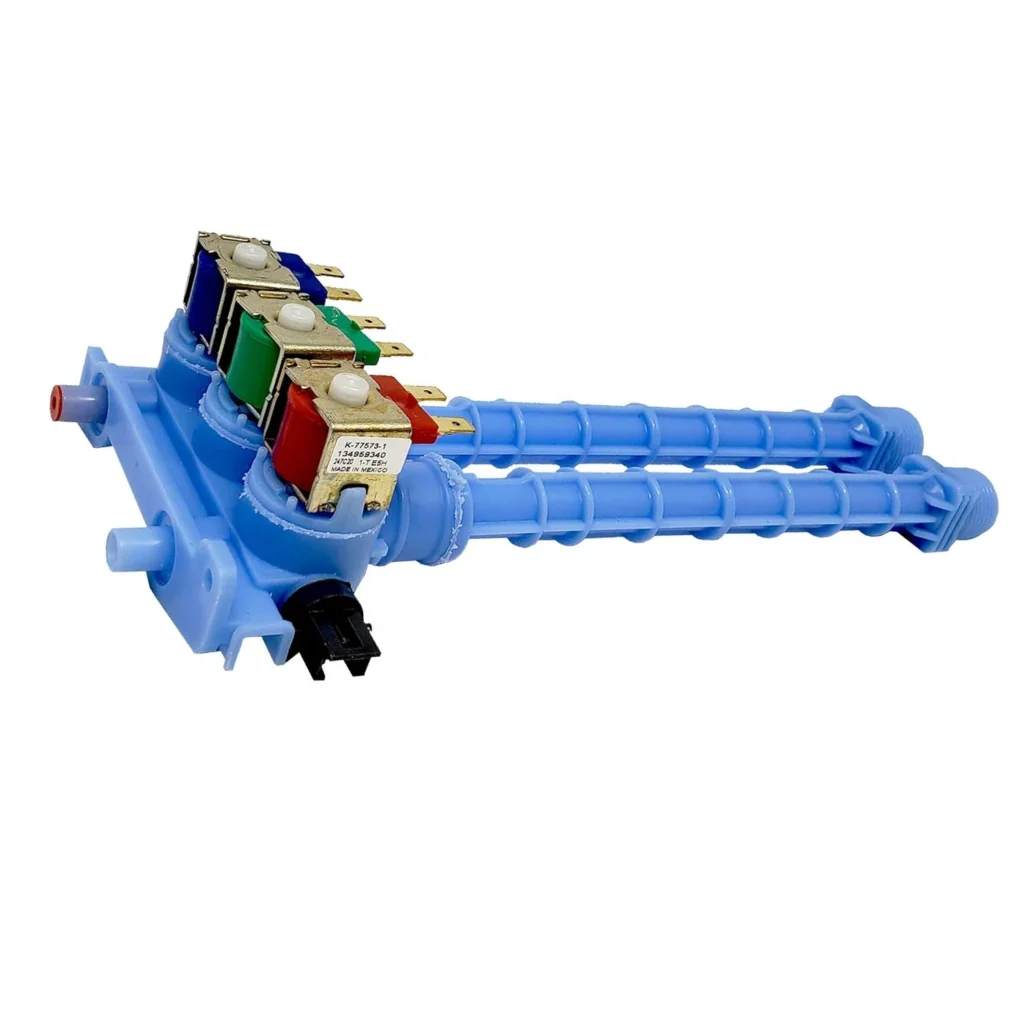
Most water inlet valves fail between years 3 and 5, but I've seen them last 10+ years when owners follow a simple maintenance routine. The 134959340 valve in your Frigidaire, Electrolux, or Kenmore washer handles thousands of fill cycles — and every bit of sediment in your water supply passes through it.
Here's what separates a valve that dies at year 4 from one that's still going strong at year 12.
How Long Should It Last?
Factory spec says 5-7 years, but that's with perfect water conditions. Your actual lifespan depends on three things:
- Water hardness — Hard water leaves mineral deposits that jam the solenoid mechanism
- Sediment levels — Even city water carries rust particles from old pipes
- Fill frequency — Doing 14 loads a week wears it faster than 5
The valve's internal screens trap debris with every fill cycle. When those screens clog, the valve works harder. The solenoid coils heat up. Eventually something gives — usually the rubber diaphragm or the solenoid itself.
I've replaced inlet valves in 3-year-old washers with completely clogged screens. The owner thought the low water pressure was normal. It wasn't.
Signs It's Wearing Out
Catch these early and you can often clean the valve instead of replacing it:
Leaking Around the Valve Body
Small drips from where the hoses connect mean the rubber gaskets are hardening. This is the most common symptom I see with the 134959340. You'll notice water pooling behind the washer or dampness on the back panel.
Check the valve connections during the fill cycle. If water beads up around the threads, tighten the hose connections first. If that doesn't fix it, the internal seal is done.
Slow Fill or Weak Water Flow
If your washer takes 8-10 minutes to fill when it used to take 4, the screens are probably clogged. The valve still works, but it's choking on sediment.
Turn off the water supply, disconnect one hose, and look into the valve inlet with a flashlight. See a brown or white crusty buildup? That's your problem.
Humming or Buzzing During Fill
The solenoid coil is struggling. This happens when debris blocks the valve from opening fully, forcing the solenoid to work harder. You'll hear a steady hum or buzz that stops when the water reaches the fill level.
That sound is the coil overheating. Keep ignoring it and you'll smell burning plastic one day.
Maintenance That Actually Extends Valve Life
Every inlet valve failure I've seen came down to blockage or wear — both preventable with basic upkeep.
Check and Clean the Inlet Screens (Every 6 Months)
This is the single most important thing you can do. Here's how:
- Shut off both hot and cold water supply valves
- Unplug the washer
- Disconnect the fill hoses from the back of the washer
- Look inside each inlet port — you'll see a small mesh screen
- Use needle-nose pliers to carefully pull the screens out
- Rinse them under running water, scrub with an old toothbrush
- If they're really caked, soak them in white vinegar for 30 minutes
- Reinstall screens and reconnect hoses
Takes 15 minutes. Adds years to valve life.
Inspect Hose Connections (Quarterly)
Loose connections let the valve vibrate during operation, which wears the internal components faster. Check that both hoses are hand-tight plus a quarter turn with pliers.
While you're there, feel for any dampness. Even minor seepage means the rubber gaskets are failing.
Replace Supply Hoses Every 5 Years
Old hoses shed rubber particles that clog the valve screens. If your hoses are original to a 7-year-old washer, they're living on borrowed time anyway.
Braided stainless steel hoses last longer and don't shed debris like rubber ones.
When to Replace vs Maintain
Clean the screens if you're catching the problem early — slow fill, minor leaking, or visible sediment buildup. That buys you another 1-3 years.
Replace the valve if:
- Water leaks from the valve body itself (not just the connections)
- The washer won't fill at all, even with clean screens
- You hear continuous buzzing during the fill cycle
- There's visible cracks in the plastic housing
A $102 valve is cheaper than water damage to your flooring. If you're seeing multiple symptoms or the valve is over 7 years old, replacement makes more sense than maintenance.
The 134959340 works in dozens of Frigidaire models — FAFW4011LW0, FFFW5000QW0, CFW4700LB0, and many Kenmore units. Installation takes about 30 minutes once you have the replacement.
Frequently Asked Questions
How often should I actually clean the inlet valve screens?
Every 6 months if you have city water, every 3 months with well water. Well water carries more sediment and minerals. I've seen well-water screens completely blocked after just 4 months. Set a phone reminder.
Can I use CLR or other chemical cleaners on the valve?
White vinegar only. Chemical cleaners damage the rubber diaphragm and gaskets inside the valve. Vinegar dissolves mineral deposits without eating the seals. Soak removable screens in vinegar, but never pour chemicals directly into the valve body.
Will a water softener prevent inlet valve problems?
It helps with mineral buildup but doesn't filter sediment. You still need to clean the screens regularly. What really helps is installing an inline sediment filter on your washer's water supply line. A 5-micron filter catches most of the junk before it reaches the valve.
Element showing wear?
134959340 · Replace before it fully fails