
How to Extend Your Whirlpool Washer Dryer Pedestal Pad Spacer Life — Maintenance Guide
Always disconnect power and water supply before working on washer/dryer installations. Use proper support when lifting appliances off pedestals to prevent crushing injuries.
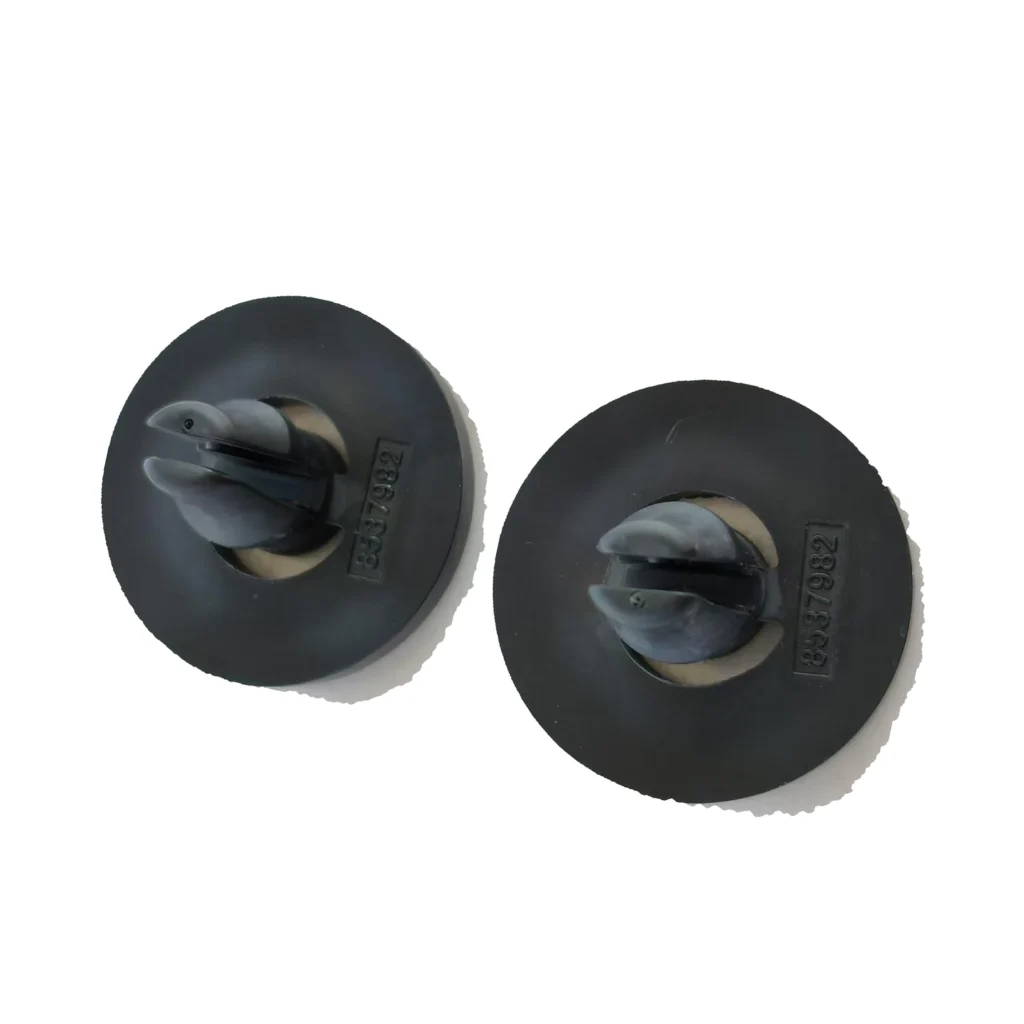
Here's something most people don't think about until it's too late: those little rubber spacer pads between your washer or dryer and its pedestal take a beating. They're supporting hundreds of pounds of appliance plus the weight of wet laundry, absorbing vibration from every spin cycle, and slowly compressing under constant pressure. The average pedestal pad spacer like the 8537982 should last 8-10 years, but I've seen them fail in under three when they're not properly maintained.
This part works across Whirlpool, Maytag, and KitchenAid models — from the WHP1000SK1 to the MHP1500SB1 and everything in between. It's a simple component, but when it fails, you'll know. Your washer starts walking across the floor. The pedestal develops stress cracks. The whole unit becomes unstable.
How Long Should It Last?
Under normal conditions, these rubber spacer pads should give you 8-10 years of service. That's assuming you've got a level floor, balanced loads, and you're not overloading your washer every single time you do laundry.
But here's what actually affects lifespan: floor vibration, load imbalance, installation errors, and environmental factors like temperature extremes in your laundry room. If your washer routinely goes into that aggressive spin-cycle shake because you're washing a king-size comforter by itself, you're compressing those pads unevenly. If your laundry room gets below freezing in winter or over 100°F in summer, the rubber degrades faster.
I've replaced these pads in units as young as two years old where the washer was installed on an unlevel floor. The constant rocking motion wore through the rubber like you wouldn't believe. On the flip side, I've seen 12-year-old installations where the pads still had plenty of life left because the owner kept loads balanced and the floor level.
Signs It's Wearing Out
These spacer pads give you plenty of warning before they completely fail. You just have to know what to look for.
Visible Compression or Flattening
Pull out your washer or dryer and look at the pads. If they're compressed down to less than half their original thickness, they're no longer doing their job. Fresh pads have a distinct cushioning profile. Worn pads look like flat rubber discs.
Excessive Vibration During Spin Cycle
This is usually the first thing you'll notice. Your washer suddenly sounds louder during the spin cycle. The whole unit vibrates more than it used to. Sometimes you can feel it through the floor in adjacent rooms. That's the pads losing their ability to dampen vibration.
Pedestal Cracking or Separating
When the spacer pads fail, the load distribution changes. The pedestal wasn't designed to handle direct metal-on-metal contact with the washer base. You'll see stress cracks forming at the corners or along the edges of the pedestal. Sometimes the pedestal actually starts separating from the washer.
Unit Walking Across the Floor
This is the classic sign. You do a load of laundry and come back to find your washer has moved six inches from where it started. Without proper cushioning from the spacer pads, nothing's preventing the unit from walking during aggressive spin cycles.
When to Replace vs Maintain
Let me be straight with you: these are replacement-only parts. There's no maintaining a compressed rubber pad. Once the material degrades, it's done.
The good news? Replacement is cheap and easy. The 8537982 costs less than $20 and takes maybe 15 minutes to swap out. You don't need special tools — just something to prop up the washer while you swap the pads.
Replace immediately if you see any of these conditions: pads compressed to less than 50% original thickness, visible cracking in the rubber, the washer moving during spin cycles, or excessive vibration that wasn't there before.
What you CAN do is preventive maintenance to extend the life of new pads. Keep your floor level. Balance your loads. Don't overload the washer. Make sure the pedestal is properly attached to the washer. These simple steps will get you to that 10-year mark instead of needing replacement at year three.
Frequently Asked Questions
Can I stack washers and dryers without pedestal spacer pads?
Technically yes, but you'll regret it. The pads serve two critical functions: they dampen vibration and they distribute weight evenly. Without them, you're looking at accelerated wear on both the pedestal and the appliance, plus a lot more noise. They're not optional if you want your equipment to last.
How do I know if my pedestal needs spacer pads?
If your washer or dryer sits on a pedestal and you're getting excessive vibration, check for the presence of these pads. Many pedestals come with them pre-installed, but they can fall off during moving or installation. Look for four circular mounting points where the appliance base meets the pedestal — that's where they go.
Will aftermarket spacer pads work as well as OEM?
The 8537982 is an OEM part that replaces WP8537982, AP6012995, PS11746216, and PS988850. It's specifically engineered for the load characteristics and vibration patterns of Whirlpool, Maytag, and KitchenAid appliances. Generic rubber pads from the hardware store won't have the same compression rating or durability. Spend the extra few dollars and get the right part.
Element showing wear?
8537982 · Replace before it fully fails