
How to Extend Your Whirlpool Washer Drain Pump Life — W10465252 Maintenance Guide
Always unplug washer before accessing drain pump filter. Keep towels ready — residual water will spill when opening filter access panel. Never reach into pump opening while machine is plugged in.
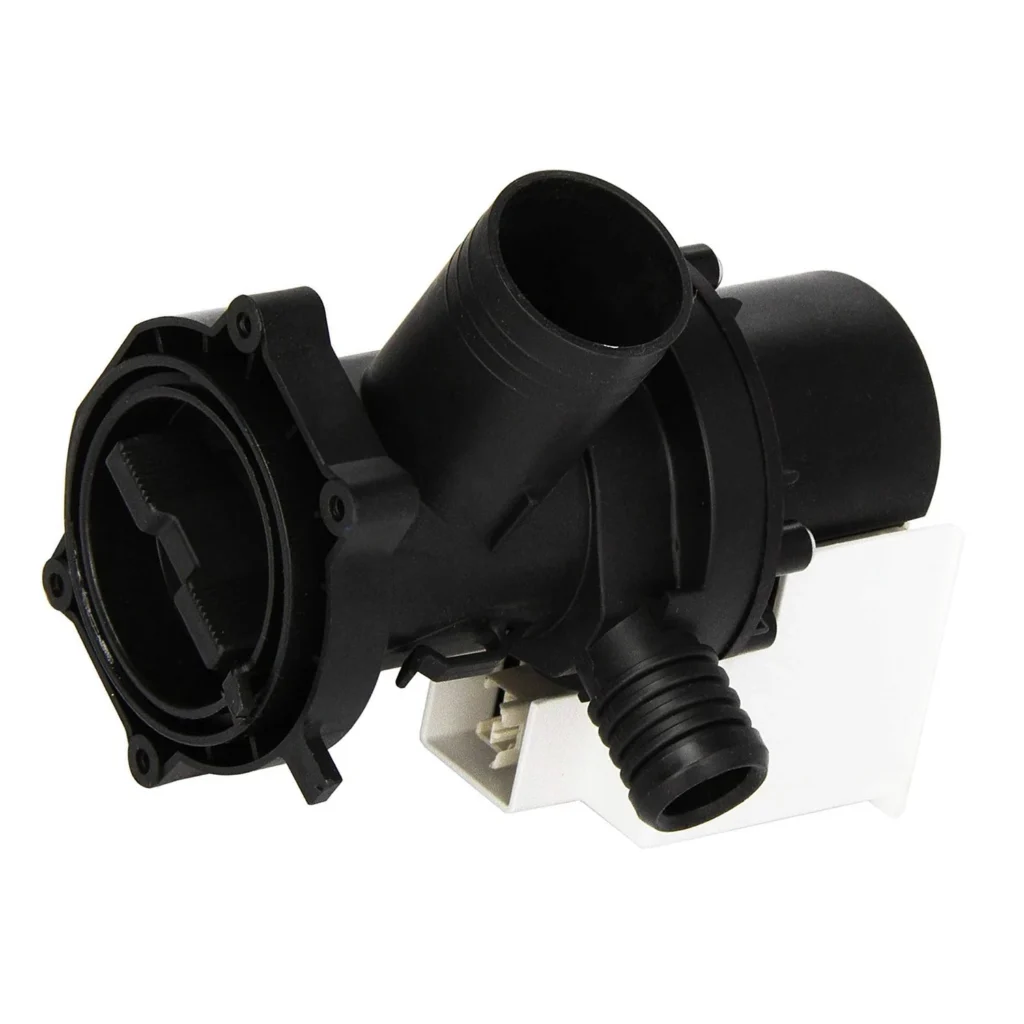
Most Whirlpool washer drain pumps fail between years 5 and 8, but here's the thing — they're designed to last 10-12 years. That gap? It's almost always preventable damage from lint buildup, foreign objects, or hard water deposits. If you've got a WFC7500VW or MHWC7500YW running right now, you can easily double your pump's working life with about 15 minutes of maintenance every few months.
The W10465252 drain pump moves roughly 15 gallons per cycle through an impeller spinning at 3,400 RPM. When even a single bobby pin gets caught in there, it creates vibration that wears the bearings faster than normal use. I've seen pumps fail at year 3 because nobody checked the filter.
How Long Should the W10465252 Last?
Under normal conditions, this drain pump should give you 10-12 years of service. That's roughly 3,000-4,000 wash cycles. But "normal conditions" means clean water, no foreign objects, and regular filter cleaning — which isn't how most people actually use their washers.
In real-world use without maintenance, you're looking at 5-7 years. The difference comes down to three things: debris accumulation in the impeller housing, mineral deposits from hard water, and strain from unbalanced loads. Each wash with coins in pockets or sand from beach towels shaves time off the pump's life.
Hard water areas see faster failure rates. Calcium and lime build up on the impeller blades, creating drag that makes the motor work harder. The motor itself is robust, but the seals and bearings aren't designed for that extra resistance.
Signs Your Pump Is Wearing Out
The drain pump doesn't fail quietly — it gives you plenty of warning. Catch these early and you might avoid a replacement altogether.
Grinding or Humming During Drain Cycle
This is your first warning sign. A healthy W10465252 pump makes a steady whirring sound during drainage. When you hear grinding, clicking, or a loud hum without water movement, something's caught in the impeller or the bearings are wearing. Check the drain filter first — 80% of the time, it's a trapped object.
If the sound continues after clearing the filter, you've got bearing wear. The pump will still work, but you're probably 6-12 months from complete failure.
Water Stays in the Tub After Cycle
The pump moves about 8-10 gallons per minute when it's healthy. If you're finding 2-3 inches of water sitting in the drum after the spin cycle, the pump isn't generating enough pressure. This happens when the impeller gets partially blocked or when internal wear creates gaps that reduce pumping efficiency.
Don't confuse this with a clogged drain line — pump failure leaves clean water sitting still, while drain clogs often cause slow drainage with gurgling sounds.
Visible Leaks Under the Washer
The W10465252 has rubber seals that keep water inside the pump housing. These seals dry out over time, especially if you run hot water frequently. Small puddles under the front-left area of your washer after a cycle mean the seals are compromised.
Seal leaks start small — maybe a tablespoon of water. Within 3-6 months, they'll progress to steady dripping that can damage your floor. Once seals fail, you can't repair them. The entire pump assembly needs replacement.
Preventive Maintenance Schedule
I've serviced hundreds of these pumps. The ones that make it past year 10 all have one thing in common — their owners actually cleaned the filter. It's not complicated, but consistency matters.
After every 10-15 loads: Check and clean the drain pump filter. This is the rectangular access panel at the bottom front of your washer. Pop it open, unscrew the filter cap (have a towel ready — water will spill), and remove any lint, coins, buttons, or debris. Rinse the filter under the tap and reinstall. This single step prevents 70% of premature pump failures.
Every 3 months: Run a hot washer cleaning cycle with two cups of white vinegar and no clothes. This dissolves mineral deposits before they accumulate on the pump impeller. Skip the detergent — you want the vinegar to reach the pump housing without suds blocking it.
Twice a year: Inspect the drain hose connection at the pump. Look for cracks in the rubber coupler or loose clamps. Tighten any loose connections and replace cracked hoses immediately. A loose connection lets air into the system, which makes the pump work harder.
Annually: If you have hard water, descale the entire system. Use a commercial washer descaler or run three cycles with a citric acid solution (4 tablespoons per load). This clears buildup you can't see but that's definitely affecting pump performance.
When to Replace vs Maintain
Here's the honest decision framework: if your pump is making noise but still draining completely, and you catch it early, you can probably extend its life 2-3 more years with aggressive maintenance. Clean that filter weekly instead of monthly, descale every 6 weeks, and baby it.
But if water's sitting in the tub, or you see leaks, or the pump runs but nothing happens — you're done. Those are mechanical failures that maintenance can't fix. At $136.99, the W10465252 replacement is cheaper than the water damage from a catastrophic seal failure.
Also consider pump age. If your washer is 8+ years old and the pump is showing any symptoms, just replace it. You're on borrowed time anyway, and you don't want to deal with a failure mid-cycle when you've got a tub full of soaked clothes.
One more thing: if you're replacing the pump anyway, replace the drain hose too. It's $15 and 5 extra minutes of work. Old hoses restrict flow even when they look fine, which makes your new pump work harder than it should.
Frequently Asked Questions
Can I use drain cleaner to clear pump clogs?
Never pour drain cleaner into your washer. It won't reach the pump anyway — it'll just sit in the tub and potentially damage the drum coating. If the pump is clogged, you need to manually remove the blockage through the filter access. Chemical cleaners also destroy the rubber seals in the pump housing, turning a simple clog into a $136 replacement job.
How do I know if it's the pump or a clogged drain line?
Disconnect the drain hose from the standpipe and put the end in a bucket. Run a drain cycle. If water pumps out forcefully into the bucket, your pump is fine — the clog is in your house plumbing. If nothing comes out or it barely drips, the problem is either the pump or the short hose between the pump and drain hose connection. Check the filter first, then the pump.
Is it normal for the pump to run for 2-3 minutes after the spin cycle?
Yes, that's completely normal for models like the WFC7500VW and MHWC7500YW. These washers run an extended pump-out cycle to ensure no water remains in the system. What's not normal is if the pump runs for 5+ minutes or cycles on and off repeatedly. That indicates either a pressure switch problem or a partially failed pump that can't build enough pressure to signal completion.
Element showing wear?
W10465252 · Replace before it fully fails