
How to Extend Your Frigidaire Dishwasher Splash Shield Life — Maintenance Guide
Always disconnect power before removing door panel. The splash shield area can have sharp edges where metal meets plastic.
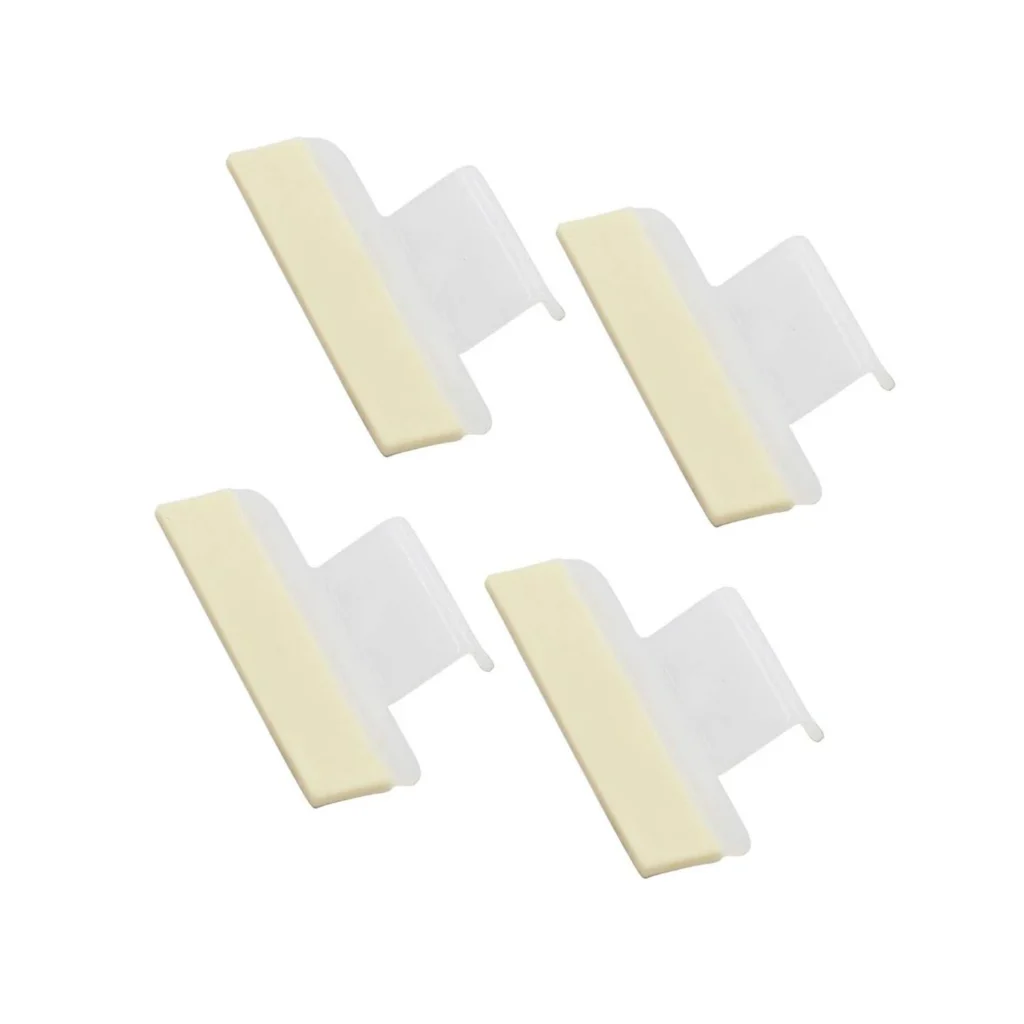
Here's something most people don't realize: that rubber splash shield at the bottom of your dishwasher door isn't just fighting water — it's fighting detergent, heat, food particles, and constant flexing. Most splash shields on Frigidaire, Electrolux, and Kenmore dishwashers last 3-5 years. With proper care? You can push that to 7-8 years.
The splash shield (part 154701001) sits between your door and tub, preventing water from leaking out during the wash cycle. When it fails, you'll know — water pooling under your dishwasher is usually the first sign.
How Long Should It Last?
Under normal use, expect 3-5 years from your splash shield. But "normal use" is doing a lot of work there. If you run your dishwasher daily with high-heat cycles and aggressive detergents, you're on the shorter end. Run it 3-4 times a week with moderate settings? You'll get closer to 5 years.
What kills splash shields faster:
- High heat drying cycles — the rubber gets brittle over time
- Powder detergents — they're more abrasive than pods or liquid
- Hard water — mineral deposits can make the rubber stiff and crack-prone
- Overloading — pots and pans pushing against the gasket create weak points
With maintenance, you can extend this to 7-8 years. The key is catching deterioration early.
Signs It's Wearing Out
The most obvious sign is leaking — water on your kitchen floor after a wash cycle. But if you wait until then, you've already got a problem. Here's what to look for earlier:
Water Pooling Under the Dishwasher
This is the classic symptom. You open the door after a cycle, and there's water on the floor. Not a puddle necessarily — sometimes it's just a wet spot. That's your splash shield failing to seal properly. Check the bottom edge of your dishwasher door first.
Visible Cracks or Tears in the Rubber
Pull out the bottom rack and look at the splash shield along the bottom of the door. Run your finger along it. Feel any rough spots? See any cracks, even small ones? That's the beginning of the end. Cracks start small but grow fast once water and detergent get into them.
The Shield Feels Hard or Brittle
Good rubber should have some give to it. If your splash shield feels stiff or brittle when you press on it, the material has degraded. This happens gradually from heat exposure. Once rubber gets brittle, it can't flex properly to create a seal, and leaks are inevitable.
Detergent Buildup Along the Edges
If you see white or cloudy buildup along the splash shield, that's detergent and mineral deposits. Left unchecked, this buildup prevents a tight seal and accelerates wear. It's not a failure yet, but it's a warning sign.
When to Replace vs Maintain
Here's the honest truth: if your splash shield is already cracked or torn, maintenance won't save it. Replace it. Part 154701001 runs about $21, and it's a 30-60 minute job if you're handy.
One user described their experience: "Removed door front, removed bottom door gasket, installed new, a little hard to get it to catch in place but got it. Replaced door gasket and splash guards. Replaced door front. No more leaks."
But if your shield is intact and you're just seeing early wear — some stiffness, minor buildup, no visible damage — maintenance is your friend. You'll need a screwdriver to remove the door panel if you want to do a deep clean, but monthly quick checks don't require any tools.
The cost-benefit is simple: spending 10 minutes every month checking and cleaning can save you from water damage to your cabinets. Water damage repair runs hundreds to thousands of dollars. The $21 part is nothing compared to that.
Frequently Asked Questions
Can I just clean the splash shield without removing the door?
Yes, for routine maintenance. Pull out the bottom rack, wipe down the visible rubber with a damp cloth and mild detergent. For a deeper clean or to check the back side, you'll need to remove the door panel — but that's only necessary every 6-12 months.
Will using rinse aid help the splash shield last longer?
Indirectly, yes. Rinse aid helps water sheet off dishes instead of pooling, which means less water pressure against the splash shield during draining. It won't make a huge difference, but every little bit helps, especially if you have hard water.
My dishwasher is only 2 years old but the splash shield is already stiff — is that normal?
Not normal, but not unheard of. If you're running high-heat dry cycles on every wash, you're accelerating rubber degradation. Try air-drying instead or using the heated dry sparingly. Also check if you're using too much detergent — excess detergent is harsh on rubber components.
Element showing wear?
154701001 · Replace before it fully fails