
How to Replace 5859EN1006S Drain Pump Assembly on LG Washer — Step-by-Step
Unplug your washer completely before starting this repair. Water and electricity create serious hazards. Allow hot components to cool for 30 minutes after recent use.
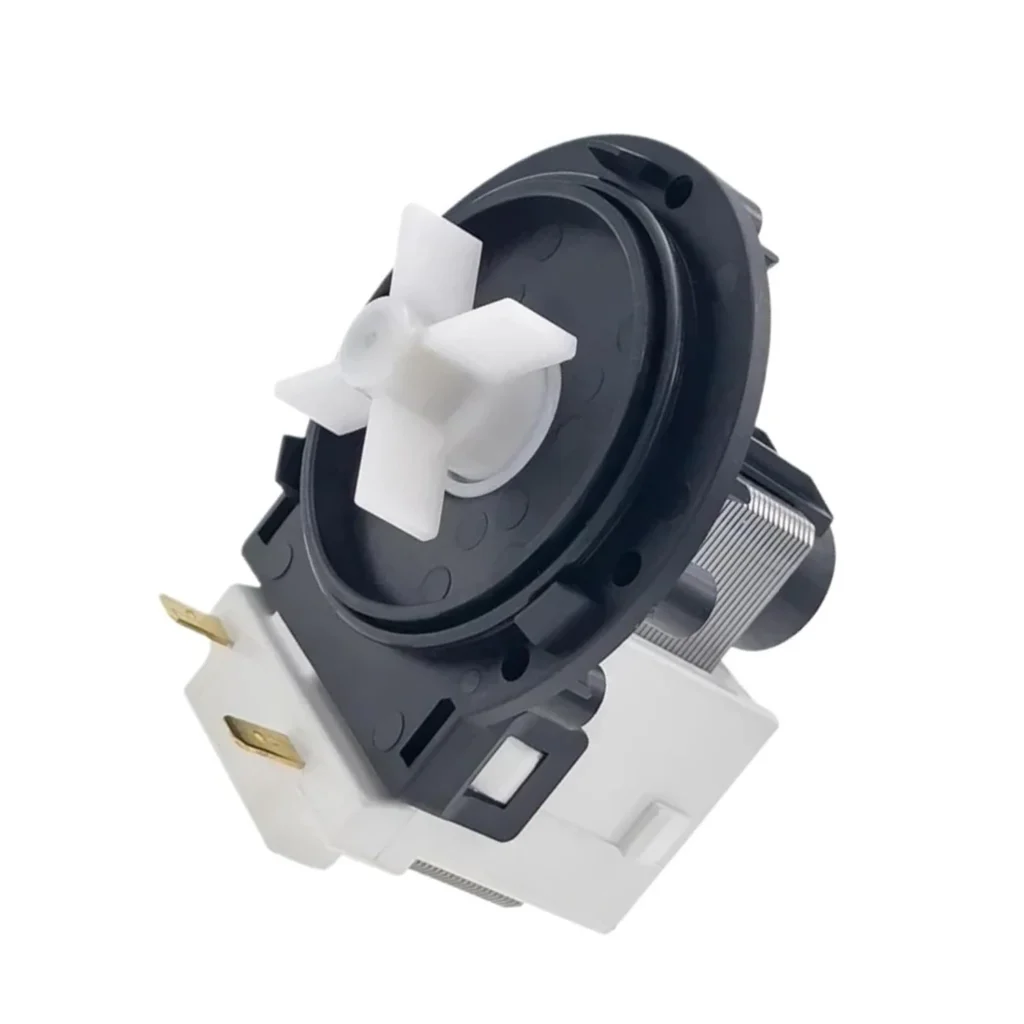
Your LG washer's spinning through its cycle, but the water won't drain. The drum's full of soapy water, your clothes are soaked, and you're staring at an error code that wasn't there yesterday. That grinding noise during the drain cycle? It's your pump assembly on its way out. The 5859EN1006S drain pump assembly is the component that evacuates all that water from your washer drum, and when it fails, you're stuck with a tub full of standing water and a laundry pile that's not getting any smaller.
This replacement works on dozens of LG front-load models including the F2J7HY1W, F4J6TM0W, F4J7TN0W, and many others. If you've got basic tools and can follow directions, you'll have this swapped in about 45 minutes.
What You Need Before Starting
Here's what you'll need for this job:
- Phillips head screwdriver
- Flathead screwdriver
- Towels (several — there will be water)
- Shallow pan or bucket
- Pliers (needle-nose work best)
- Work gloves
Repair Time: 45-60 minutes
Difficulty: MODERATE
You'll be working at floor level and handling water-logged components, so dress accordingly.
Safety First
Warning: Unplug your washer completely before starting this repair. Don't just turn it off — pull the plug from the wall. Water and electricity are a dangerous combination, and you'll be working around both. Also, if your washer's been running recently, give it 30 minutes to cool down. Some components can stay hot longer than you'd expect.
Step 1: Access the Pump Housing
Pull your washer away from the wall so you've got room to work. You'll need about two feet of clearance. Locate the access panel on the bottom front of your washer — it's usually held by clips or a couple screws. On most LG models, you'll find a small kickplate that pops off with gentle pressure from a flathead screwdriver. Slide your towels underneath before removing this panel. When you pop it open, residual water will likely spill out.
Step 2: Drain Remaining Water
See that round cap near the pump? That's your drain filter. Position your shallow pan underneath it, then slowly twist the filter counterclockwise. Don't yank it out — unscrew it gradually. Water will start flowing immediately, so control the removal speed based on how fast your pan's filling. Once the water stops, pull the filter completely out and set it aside. You'll want to clean any debris from this filter while you've got it out anyway.
Step 3: Disconnect the Old Pump
Now you'll see the pump assembly itself. It's held in place by hose clamps and an electrical connector. Use your pliers to squeeze the hose clamps and slide them back along the hoses. There are typically two hoses — inlet and outlet. Pull these hoses off the pump barbs (more water will come out, so keep those towels handy). Next, locate the wire harness connector on the pump. Press the locking tab and pull it straight off. The pump housing is usually held by two or three screws or a twist-lock mechanism. Remove these fasteners and wiggle the pump free.
Step 4: Install the New 5859EN1006S Pump
Before installing the new pump, compare it to your old one. They should look identical. Position the new 5859EN1006S assembly into the mounting bracket, lining up the screw holes or twist-lock tabs. Secure it with the original fasteners. Push the hoses back onto the pump barbs — you should feel them seat completely. Slide the hose clamps back into position over the connection points. Finally, plug the wire harness connector back in until you hear it click. Give the connector a gentle tug to confirm it's locked.
Step 5: Reassemble and Test
Clean your drain filter if you haven't already, then thread it back into place. Hand-tighten only — don't force it. Replace the access panel and push your washer back into position. Plug it back in. Now run a drain cycle without any clothes. Watch and listen. You should hear the pump engage with a steady hum, no grinding or squealing. Check underneath for leaks during this first test run. If water's draining properly and you don't see any drips, you're done.
Testing After Installation
Run a complete wash cycle with a light load. Monitor the drain phases carefully. The pump should evacuate water smoothly during both the mid-cycle drain and final spin drain. No error codes should appear. Check the floor around your washer for the first few cycles — even a small leak can cause problems down the line. If you notice any unusual sounds or the washer stops mid-cycle with an error code, double-check your hose connections and electrical connector.
Frequently Asked Questions
Will this pump work if my washer displays an OE error code?
Yes, the OE error code on LG washers specifically indicates a drain issue. If you've already checked for clogged hoses and the filter isn't blocked, a failed pump is the likely culprit. The 5859EN1006S replaces the original pump assemblies including 5859EN1006B and 5859EN1006M, so it'll resolve your OE code if the pump's the problem.
How do I know if the pump is bad versus just a clogged drain?
Start by checking the drain filter and hoses for blockages — that's the easy fix. If those are clear and your washer still won't drain, listen during the drain cycle. A working pump makes a steady humming sound. A bad pump either makes no sound at all, or you'll hear grinding, rattling, or intermittent clicking. If you manually spin the pump impeller through the filter opening and it feels seized or gritty, the pump's done.
Do I need to replace the hoses when I replace the pump?
Not usually. Inspect the hoses while you've got them off. If they're cracked, brittle, or have obvious damage, replace them. But if they're still flexible and intact, reuse them. The hose clamps can be reused too unless they're rusted or won't tighten properly anymore. Focus your money on the pump itself — that's what fails.
Place multiple towels under the access panel before removing it — there's always more residual water than you expect, and it'll spread fast across your floor.
Need the part for this repair?
5859EN1006S · In Stock · Ships next business day