
How to Extend Your Whirlpool Dishwasher Heating Element Life — W10134009 Maintenance Guide
Always disconnect power at the breaker before inspecting the heating element. Element remains hot for 15-20 minutes after cycle ends. Never touch with wet hands.
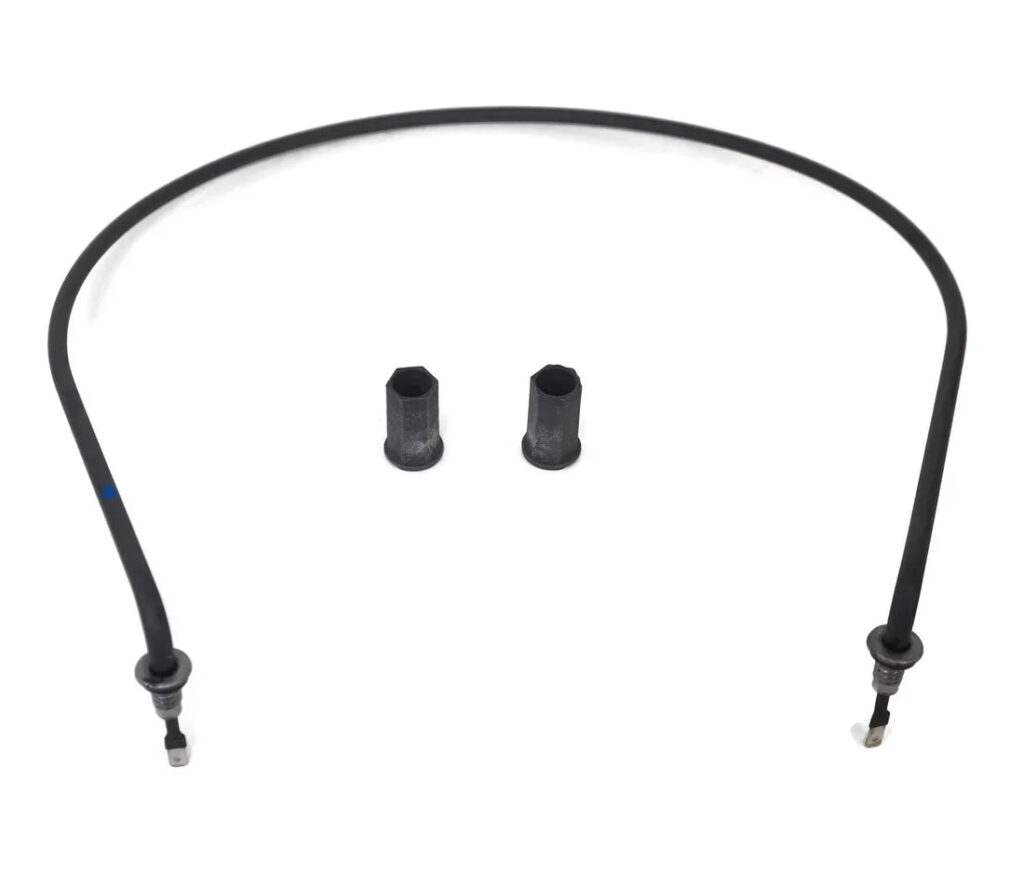
Most dishwasher heating elements die between 5-7 years, but the W10134009 in your Whirlpool, Kenmore, Maytag, or Amana should last 8-10 years with proper care. The problem? Most people don't realize they're killing it slowly with hard water deposits, detergent buildup, and overloading cycles. Here's how to double its lifespan.
How Long Should Your Heating Element Last?
The W10134009 heating element is built to handle roughly 2,500-3,000 wash cycles. If you run your dishwasher once daily, that's 7-8 years of use. Run it twice daily? You're looking at 4-5 years before replacement becomes likely.
What affects lifespan:
- Water hardness — Hard water creates mineral scale that insulates the element, making it work harder and fail faster
- Detergent type — Powder detergents leave more residue than liquid or pods
- Cycle selection — Constantly running high-heat sanitize cycles stresses the element
- Load size — Overloading prevents proper water circulation, causing uneven heating
Models like the WDF520PADM7, WDT720PADM2, and WDF330PAHS0 all use this same element. Your maintenance routine applies across the board.
Signs It's Wearing Out
The W10134009 element doesn't just die overnight. It gives you warnings. Here's what to watch for:
Not Drying Dishes Properly
This is the first sign. Your dishes come out damp, especially plastic items on the top rack. The element still heats, but not to full temperature. You'll notice water pooling in cup bottoms and containers. If you're constantly grabbing a towel after unloading, your element's efficiency has dropped below 70%.
Not Cleaning Dishes Properly
Weak heating affects more than drying. The element helps activate detergent and dissolve grease. When it's failing, you'll see:
- White film on glassware (detergent not fully dissolving)
- Grease spots on plates
- Food particles baked onto dishes
- That cloudy look on silverware
It's not your detergent. It's insufficient heat during the wash cycle.
Will Not Start or Stops Mid-Cycle
A partially shorted element can trip your dishwasher's safety systems. The machine starts, runs for 2-3 minutes, then stops. Or it won't start at all because the control board detects resistance problems in the heating circuit. This often happens after the element develops a crack from thermal stress.
When to Replace vs Maintain
Here's the honest truth: if your element is already showing symptoms, maintenance won't fix it. A failing element needs replacement. But if you're reading this and your dishwasher still works fine, these maintenance steps will keep it that way for years.
Replace if:
- Dishes stay cold during the cycle
- You see visible cracks or breaks in the element coil
- The element tests at infinite resistance with a multimeter
- It's been 8+ years since installation
Maintain if:
- Everything works but drying takes longer than it used to
- You've noticed white buildup on the element itself
- Your element is less than 5 years old
- You want to prevent the problems above
The W10134009 costs $17.99. That's cheap insurance compared to constantly re-washing dishes or hand-drying everything. But spending 10 minutes monthly on maintenance? That's even cheaper.
Frequently Asked Questions
Can I Use Vinegar to Clean the Heating Element?
Yes, but carefully. Run an empty cycle with 2 cups of white vinegar in the bottom of the tub. This dissolves mineral deposits without damaging the element. Don't pour vinegar directly on the element while it's hot. Do this monthly if you have hard water, quarterly if you don't.
Does My Dishwasher Need Rinse Aid for Element Longevity?
Absolutely. Rinse aid isn't just for spot-free dishes. It helps water sheet off the heating element instead of pooling around it. Pooled water creates hotspots that stress the metal. Keep your rinse aid dispenser full, especially if you use powder detergent.
Should I Run the Sanitize Cycle Less Often?
The sanitize cycle heats water to 155°F, which is great for killing bacteria but tough on the element. Unless you're washing after handling raw meat or caring for someone immunocompromised, normal or heavy wash cycles are sufficient. Save sanitize for when you actually need it — not as a default setting.
Element showing wear?
W10134009 · Replace before it fully fails