
How to Extend Your Whirlpool Dryer Belt Life — W10131172 Maintenance Guide
Always unplug the dryer before any inspection or maintenance. Never lubricate the belt — this causes slippage and accelerates failure.
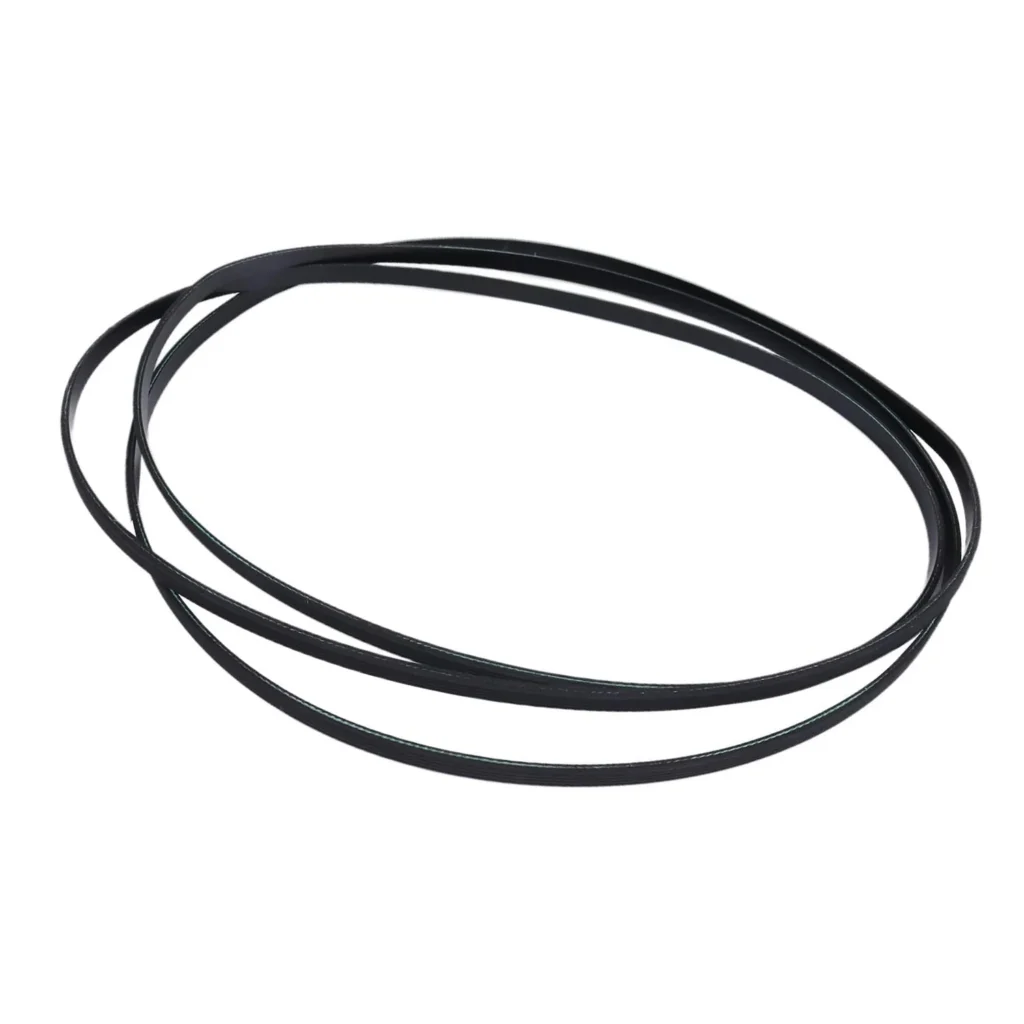
Here's something most people don't know: the average dryer belt lasts 10–15 years, but most replacements happen around year 7. Why? Because nobody thinks about belt maintenance until the dryer stops spinning or starts making that awful squealing noise.
The W10131172 belt drives the drum on Whirlpool, Maytag, Kenmore, and Crosley dryers — it's one of the hardest-working parts in your laundry room. With basic maintenance, you can push its lifespan well past a decade and avoid the inconvenience of emergency replacements.
How Long Should It Last?
Under normal conditions, the W10131172 belt should give you 10–15 years of service. But "normal" is doing the heavy lifting here. If you're drying heavy loads daily, running the dryer on high heat constantly, or overloading the drum, you're shortening that timeline significantly.
What affects belt life:
- Load size: Overloading creates excessive tension and friction
- Heat settings: Constant high heat accelerates rubber degradation
- Drum condition: A misaligned or damaged drum puts uneven stress on the belt
- Lint buildup: Restricts airflow, causing the dryer to work harder and run hotter
- Installation quality: A twisted belt (yes, this happens) will fail prematurely
The good news? Most of these factors are under your control.
Signs It's Wearing Out
Catching belt wear early means you can plan the replacement instead of dealing with a dead dryer on laundry day. Here's what to watch for.
Squealing or Thumping Noises
This is the number one symptom. A worn belt develops glazed spots or begins to fray, creating noise as it rotates. You'll hear it most clearly when the dryer first starts or when it's handling a heavy load. The squealing means the belt is slipping on the drum or motor pulley — it's already compromised.
Don't ignore it. A noisy belt is a failing belt.
Visual Cracking or Fraying
If you pull the dryer apart for cleaning (which you should do annually), inspect the belt closely. Look for:
- Visible cracks on the inner surface
- Frayed or split edges
- Shiny, glazed areas where the rubber looks hardened
- Uneven wear patterns
The belt should feel pliable, not stiff or brittle. If it feels hard or breaks when you flex it slightly, it's past due.
Drum Hesitation or Slipping
When you start a cycle, does the drum hesitate before it starts turning? Or does it seem to slip occasionally during operation? That's the belt losing grip. As the rubber wears, it can't maintain consistent friction against the drum and pulleys.
This usually happens in the final stages before complete failure. You've got weeks, maybe days.
When to Replace vs Maintain
Let's be realistic: once a dryer belt shows significant wear, maintenance won't save it. You're replacing it. But here's the decision framework:
Maintain if:
- The belt is less than 5 years old
- No visible cracking or fraying
- No unusual noises during operation
- You're just doing preventive care
Replace if:
- Any visible cracks or fraying
- Consistent squealing or thumping
- Drum hesitation or slipping
- Belt feels stiff or brittle
- Age exceeds 10 years (even without symptoms)
The W10131172 runs $34.99. Compare that to the cost of service call or the hassle of wet laundry piling up. When in doubt, replace.
One critical installation note from the manufacturer: make absolutely sure your new belt isn't twisted when you install it on the drum. A twisted belt will fail within months, sometimes weeks. Double-check the routing before you button everything back up.
Frequently Asked Questions
How often should I inspect the dryer belt?
Once a year when you do your deep dryer cleaning. Pull the front or top panel (depending on your model), clean out the internal lint, and give the belt a visual and tactile inspection. Takes 20 minutes and can save you from an inconvenient breakdown.
Can I lubricate the belt to reduce noise?
No. Never lubricate a dryer belt. The noise means the belt is worn or the drum rollers need attention. Adding lubricant will cause the belt to slip and fail faster. If it's squealing, inspect the belt and the drum support rollers — one or both need replacement.
Will using lower heat settings extend belt life?
Absolutely. High heat accelerates rubber degradation. Use medium or low heat whenever possible, especially for synthetic fabrics that don't need high temperatures anyway. You'll extend both belt and clothing life simultaneously.
Element showing wear?
W10131172 · Replace before it fully fails