
How to Extend Your Whirlpool Dryer Lint Filter Life — W10120998 Maintenance Guide
A clogged lint filter is a fire hazard. Clean lint after every load and deep-clean monthly if using dryer sheets.
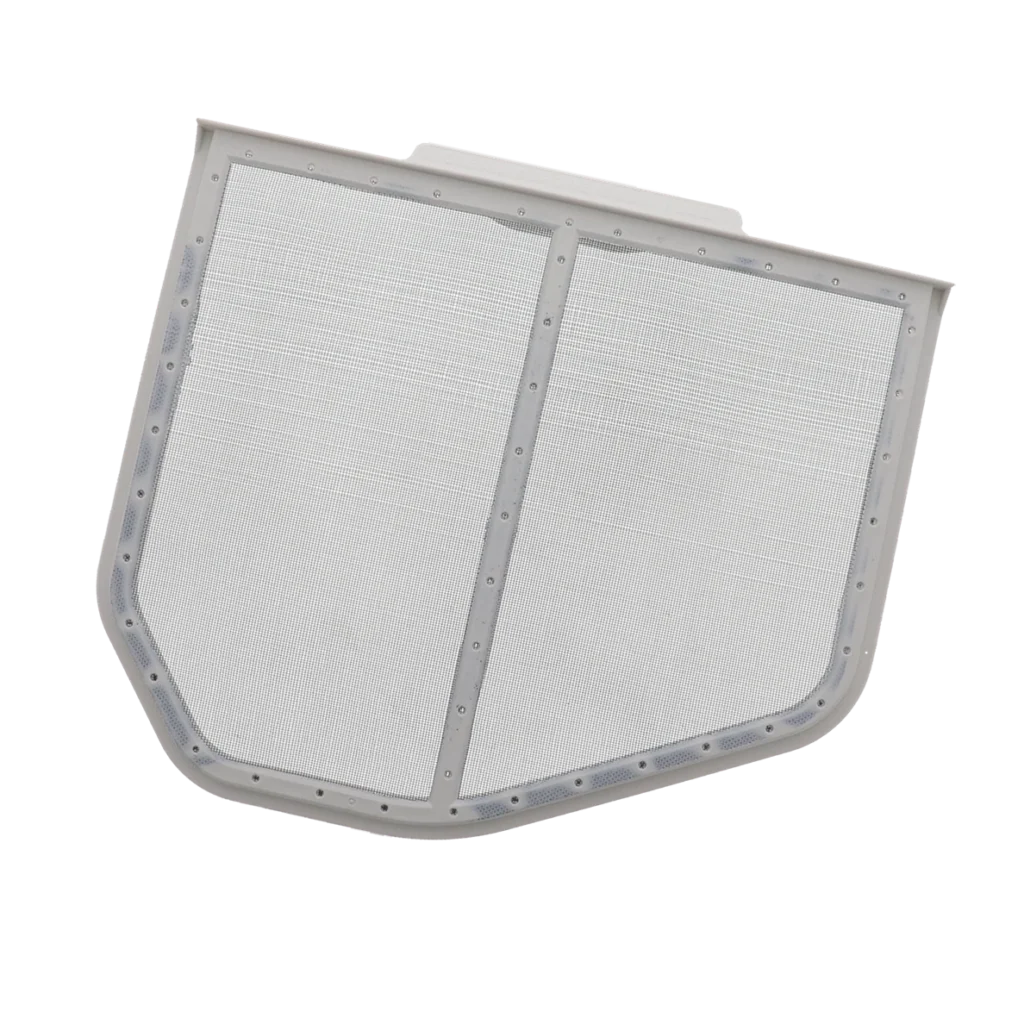
Here's something most people don't realize: a dryer lint filter like the W10120998 should last 5-7 years minimum, but most homeowners replace theirs every 2-3 years. The difference? How you clean it.
I've seen perfectly good filters tossed because they looked "worn out" when really, they just had fabric softener buildup. Let's fix that.
How Long Should It Last?
The W10120998 lint filter is built from fine mesh screen and a durable plastic frame. Under normal use, you're looking at:
- Expected lifespan: 5-7 years with proper care
- Without maintenance: 2-3 years before clogging becomes permanent
- Heavy use (family of 5+): 3-5 years even with good care
What kills these filters isn't the lint you can see — it's the invisible residue from dryer sheets and liquid fabric softener. That waxy buildup clogs the mesh, reducing airflow and making your dryer work harder.
Compatible models like the WED8900BC0, WGD8900BC0, WED8800YW0, and WED8000BW0 all use this same filter design, which means they all face the same maintenance challenges.
Signs It's Wearing Out
Not every dirty filter needs replacing. Here's how to tell the difference between "needs cleaning" and "needs replacing."
The Water Test Fails
Pull out your filter and run water over it. If water pools on top instead of flowing through immediately, you've got buildup — even if the filter looks clean. This is your earliest warning sign.
Try the deep-clean method below first. If water still won't pass through after cleaning, the mesh is permanently clogged.
Visible Tears or Holes in the Mesh
Check the mesh screen under good light. Even a small tear (quarter-inch or less) lets lint bypass the filter and clog your dryer's exhaust system. You'll notice this when lint starts showing up on your clothes after drying.
The mesh on these filters is delicate — aggressive scrubbing or dropping the filter can damage it. Once it tears, there's no fix.
Frame Cracks or Warping
The plastic frame on the W10120998 can crack if you're too rough when cleaning or if the dryer runs too hot from poor ventilation. A cracked frame means the filter won't seal properly in the housing, letting lint escape around the edges.
Warping happens when the filter sits in a hot dryer too long after a cycle. If your frame looks bent or doesn't slide smoothly into place anymore, it's done.
Drying Times Keep Increasing
If your normal load that used to take 45 minutes now takes 75 minutes, and you've already cleaned the filter, the mesh is probably clogged at a microscopic level. This happens gradually — you won't notice it week to week, but compare to six months ago.
Before replacing the filter, check your exhaust vent too. Sometimes the problem's not the filter.
When to Replace vs Maintain
Replace immediately if:
- Any tears or holes in the mesh (even tiny ones)
- Frame is cracked or warped
- Water test fails after deep cleaning
- You notice a burning smell (clogged filter can overheat)
Deep clean if:
- Water test fails but no visible damage
- Drying times have increased recently
- You use dryer sheets or fabric softener regularly
- It's been more than 6 months since your last deep clean
At $40.99, the W10120998 isn't cheap. But trying to "stretch" a damaged filter costs you more in energy bills and risks a dryer fire. Trust the water test — it doesn't lie.
The Deep-Clean Method That Actually Works
Regular lint removal after each load is obvious. Here's what you should do monthly:
1. Soak in hot soapy water (15 minutes)
Use dish soap — it cuts through fabric softener residue. Don't use laundry detergent; it can leave its own film.
2. Scrub gently with a soft brush
An old toothbrush works perfectly. Scrub both sides of the mesh, focusing on areas that look darker or shinier (that's buildup).
3. Rinse thoroughly
Hold it up to light — you should see through every section of mesh clearly.
4. Air dry completely
Never put a damp filter back in the dryer. It'll attract lint immediately and some moisture can damage the seal.
Do this monthly if you use fabric softener, every 3 months if you don't. Models like the WED9200SQ0, WED9400SW2, and WGD7300XW0 are sensitive to airflow restrictions, so don't skip this on those units.
What's Quietly Killing Your Filter
Dryer sheets are the biggest culprit. That waxy coating that makes your towels smell nice? It transfers to the filter mesh and bakes on with heat. Over time, it creates an invisible barrier.
Liquid fabric softener is even worse if you accidentally spill it near the filter housing.
If you love your dryer sheets, commit to monthly deep cleans. Otherwise, switch to wool dryer balls — they don't leave residue.
The $5 Prevention Trick
Keep a spray bottle of 50/50 white vinegar and water near your dryer. After pulling lint off the filter, give it a quick spray and wipe. The vinegar dissolves fabric softener residue before it builds up.
Takes 10 seconds. Extends filter life by years.
Frequently Asked Questions
Can I just vacuum my lint filter instead of washing it?
Vacuuming removes surface lint, but it doesn't touch the fabric softener buildup that's really clogging the mesh. You need water and soap to dissolve those waxy deposits. Vacuum weekly if you want, but still deep-clean monthly.
How often should I replace the lint filter even with perfect maintenance?
If you're doing monthly deep cleans and the water test keeps passing, you can easily get 5-7 years from the W10120998. I've seen filters last 10 years in homes that don't use fabric softener. The frame typically fails before the mesh does if you're careful.
Will a clogged lint filter really cause a fire?
Yes, but it's usually not the filter itself — it's what happens downstream. When the filter clogs, lint gets pushed into your exhaust duct where it can't be cleaned easily. That lint can ignite if the dryer overheats. The filter is your first line of defense. Keep it clean and you'll never have to worry about it.
Element showing wear?
W10120998 · Replace before it fully fails