
How to Extend Your GE Café Ice Maker Life — WR30X39345 Maintenance Guide
Always turn off ice maker and empty the bin before cleaning. Water spills in the freezer can freeze into sheets and damage other components. Never force the ejector blade — if it's stuck, let the freezer warm slightly rather than breaking the mechanism.
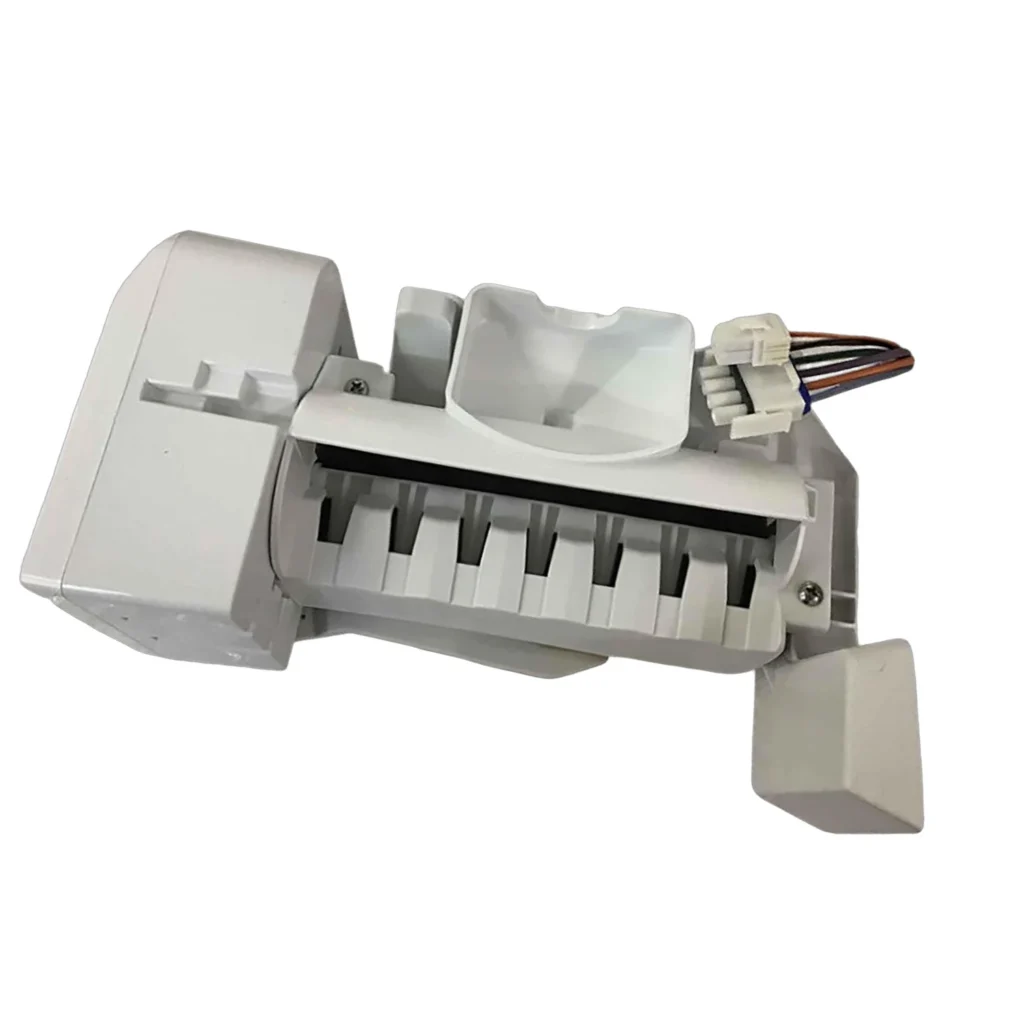
Most GE Café ice makers should last 5–7 years, but most fail around year 3. The WR30X39345 small cube assembly is actually built better than older versions like the WR30X31922, but only if you maintain it properly. Here's how to get your money's worth.
How Long Should It Last?
The WR30X39345 ice maker assembly has a realistic lifespan of 5–7 years under normal use. That means making 3–4 pounds of ice daily in a household setting. Commercial or heavy-use environments (like large families constantly refilling the bin) will shorten that to 3–5 years.
What kills these units early? Three things: mineral buildup from hard water, inconsistent freezer temperatures, and people who never clean the ice bin. Fix those three issues and you'll hit year 7 without problems.
This assembly replaced earlier versions (WR30X38005, WR30X36235) specifically because those had weaker ejector mechanisms. The WR30X39345 uses a reinforced gear system, but it still needs care.
Signs It's Wearing Out
Your ice maker will tell you when it's struggling. Don't ignore these warnings — catching problems early can prevent a $110 replacement.
Ice Production Slows Down
You used to get a full bin overnight. Now it takes two days. That's your first sign the fill valve or ejector mechanism is wearing out. Check the water inlet screen first — it's usually just mineral deposits restricting flow. If the screen's clean but production is still slow, the internal thermostat is probably drifting out of calibration.
Cubes Are Smaller or Misshapen
Small, cloudy, or hollow cubes mean the mold isn't filling completely. This happens when the water fill valve gets partially clogged or the fill time needs adjustment. On the WR30X39345, you can't adjust fill time — it's factory-set. So if your cubes shrink after cleaning the inlet screen, the valve itself is failing.
Grinding or Clicking Noises
The ejector blade should sweep smoothly. If you hear grinding, the gear mechanism is either binding from ice buildup or the motor is struggling. Clicking without ice ejection means the motor's trying to turn but the mechanism is stuck. This is common on CVE28DP2N models when the freezer runs too warm (above 5°F) and partial melting creates ice bridges.
Ice Bin Freezes Into One Solid Block
Not technically the ice maker's fault, but it'll kill the assembly fast. When cubes fuse together, the bin gets heavy and the dispenser auger strains. That strain transfers back to the ice maker's ejector system. It's usually caused by a failing freezer door gasket letting warm air in, or the defrost cycle running too aggressively.
When to Replace vs Maintain
Here's the honest decision tree. If your ice maker is under 4 years old and the problem is slow production or occasional jamming, maintenance will fix it. Clean the system, check the water line, verify freezer temp. Total cost: $0 and 30 minutes.
If it's over 5 years old and you're hearing motor noises or getting no ice at all, replacement makes more sense. The WR30X39345 costs $110, and you'll spend that much in time troubleshooting an old unit that's just going to fail somewhere else next month.
The gray zone is 4–5 years with intermittent problems. Try maintenance first. If issues return within 3 months, replace it.
One exception: if your freezer temperature is inconsistent (swinging between 0°F and 15°F), fix that first. Even a new ice maker will fail quickly in an unstable environment. Check the evaporator fan and defrost system before spending money on the ice maker.
Frequently Asked Questions
How often should I clean my GE Café ice maker?
Deep clean every 6 months if you have soft water, every 3 months with hard water. That means removing the bin, washing it with vinegar solution, and wiping down the ice maker housing. Monthly, just empty the bin completely and wipe it dry — this prevents odor absorption and clumping. If you notice white scale buildup on the ejector blade, you're waiting too long between cleanings.
Can I use filtered water to extend ice maker life?
Absolutely, and it's the single best thing you can do. Hard water minerals clog the inlet screen and build up inside the mold, reducing efficiency. Install an inline filter on the refrigerator water line (not just the dispenser filter). Replace it every 6 months. Models like the CVE28DM5NS5 come with a filter system, but aftermarket filters work fine and cost less. You'll see fewer jams and better-looking ice.
Why does my ice smell bad even though the maker is new?
New ice maker, old problem. Ice absorbs odors from the freezer — that's just physics. Check three things: Is there open food in the freezer? Replace the freezer air filter if your model has one (Café series usually do). Is the ice bin actually clean? People replace the maker but never wash the bin, so old residue contaminates new ice. Finally, dump the first three batches after installation — manufacturing oils need to flush out.
Element showing wear?
WR30X39345 · Replace before it fully fails