
How to Extend Your Whirlpool Broil Element Life — Maintenance Guide
Always disconnect power at the circuit breaker before inspecting or replacing the broil element. The element carries 240V — enough to kill you instantly. Never touch the element while it's hot or immediately after use; it stays dangerously hot for 30+ minutes.
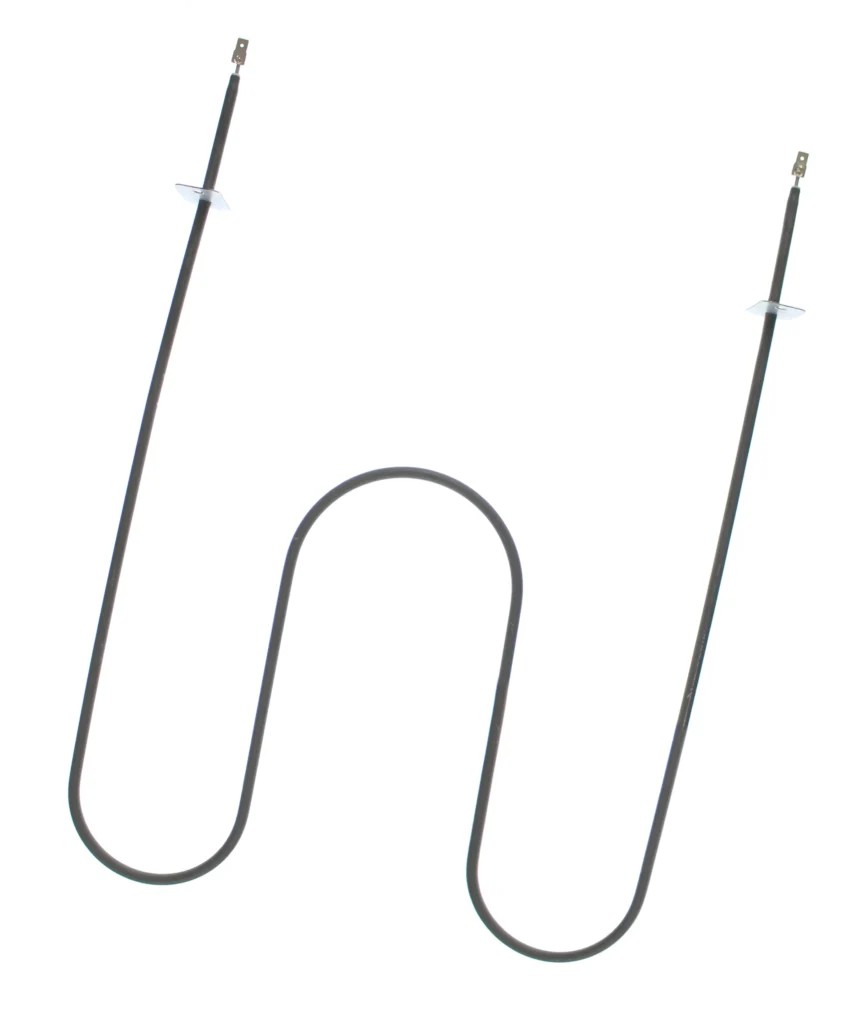
Most broil elements die between 3–5 years, but I've seen them last 10+ with proper care. The W10201551 element in Maytag, Whirlpool, and KitchenAid ranges typically burns out prematurely because people don't realize they're damaging it every time they use it. Here's what actually matters.
How Long Should It Last?
Under normal use, this broil element should give you 5–8 years. But "normal" is the key word. Every time you crank it to high and walk away, you're shortening its life. Heat cycles stress the metal coil — rapid temperature changes cause expansion and contraction that eventually create weak spots.
What kills it faster: broiling with a dirty oven, uneven power surges, and leaving it on high for extended periods. The 2800-watt element reaches over 500°F in minutes, and if there's grease splatter from below hitting it? That creates hot spots that wear through the protective coating.
I've replaced elements in 18-month-old Maytag MER6770 ranges because people were using the broiler daily without any maintenance. I've also seen the same element in a Jenn-Air last 12 years because the owner actually cleaned the oven regularly.
Signs It's Wearing Out
Your broil element will tell you when it's dying — you just need to know what to look for. Catch these early and you can sometimes extend its life another year or two.
Visible Blistering or Bubbling on the Coil
When the metal sheath starts bubbling, that's the protective coating breaking down. You'll see small raised bumps along the coil, especially near the terminal ends where it gets hottest. This happens when grease burns onto the element repeatedly.
Once you see blistering, you've got maybe 6 months left. The metal underneath oxidizes faster once the coating's compromised.
One Section Glows Brighter Than the Rest
Turn on the broiler and watch it heat up. If one section turns bright orange-red while the rest stays dull, the resistance is uneven — usually from internal wire damage. That bright spot is working harder, getting hotter, and it'll burn through first.
This is your 3-month warning. The element still works, but it's on borrowed time.
It Takes Noticeably Longer to Preheat
A healthy W10201551 element should glow evenly within 2–3 minutes. If it's taking 5+ minutes to reach full heat, the internal resistance has increased — probably from corrosion inside the tube. The element's still heating, but it's working way harder than it should.
At this stage, you might get another year if you're gentle with it. Or it might fail next week. That's the frustrating part.
Dark Spots or Sections That Won't Glow
Dead sections are the end. If part of the coil stays completely dark while the rest glows, the heating wire inside has separated. Some people keep using it like this — "it still kinda works" — but you're wasting energy and getting terrible results.
Replace it. There's no fixing a separated coil.
What Actually Extends Its Life
Here's what matters: clean the oven every 2–3 months minimum. I don't mean scrub the element itself — never touch it with abrasives — but keep the oven floor clean so grease doesn't vaporize and coat the broiler. That carbonized grease creates those hot spots I mentioned earlier.
Let the element cool completely between uses. If you're broiling multiple batches, give it 15 minutes between sessions. The thermal cycling is what fatigues the metal, and constant on-off-on-off accelerates it.
Don't use the broiler as a warmer. I see people turn it on low to keep food warm — terrible idea. Broil elements aren't designed for low, sustained heat. They're built for high, short bursts. Keeping it at low temps for an hour actually stresses it more than 10 minutes at full blast.
Check your home's voltage occasionally. If you're getting power surges or brownouts, the element takes the hit. A whole-house surge protector is $200 and protects all your appliances, not just the oven.
When to Replace vs Maintain
If you're seeing blistering but the element still heats evenly — keep using it, just clean the oven more often and reduce broiler frequency. You'll probably get another 6–12 months.
If you've got dark spots, uneven glowing, or it's taking forever to heat — order the replacement now. It's $42.99 and you can swap it yourself in 20 minutes. Don't wait until Thanksgiving morning when it completely fails.
The W10201551 fits Maytag MER6770, MER6772, MER6775 series, plus dozens of Whirlpool, KitchenAid, and Jenn-Air models. Check your model number against the compatibility list, but if you've got a Maytag electric range from the last 15 years, this is probably your element.
One more thing: if your element is over 7 years old and working fine, just keep a spare on hand. They don't go bad sitting on a shelf, and having one ready means you're not stuck ordering overnight shipping when it finally quits.
Frequently Asked Questions
Can I clean the broil element with oven cleaner?
No. Never spray anything directly on the element. Oven cleaner is corrosive and will eat through the protective sheath, causing premature failure. If you get grease splatter on the element, turn it on high for a few minutes to burn it off naturally. Wipe the surrounding oven cavity with cleaner, but keep it away from the coils.
Why does my broiler smell like burning metal when I first turn it on?
That's normal if you haven't used it in a while — dust and light grease buildup burning off. But if it smells like burning plastic or rubber, shut it off immediately. That could be deteriorating wire insulation inside the element or a bad connection at the terminals. Check for visible damage before using it again.
Is it worth repairing a 10-year-old oven or should I just replace it?
If the only issue is a dead broil element, absolutely repair it. The W10201551 is $42.99 and takes 20 minutes to install. That's a no-brainer compared to a $600+ new oven. Replace the oven when you're looking at multiple expensive repairs — bad control board, failed bake element, AND a broiler issue — or when parts become impossible to find. A single element replacement? Do it today.
Element showing wear?
W10201551 · Replace before it fully fails