
How to Extend Your Whirlpool Ice Maker Life — Maintenance Guide
Always disconnect power before cleaning or inspecting ice maker components. Water and electricity don't mix—even at low voltage.
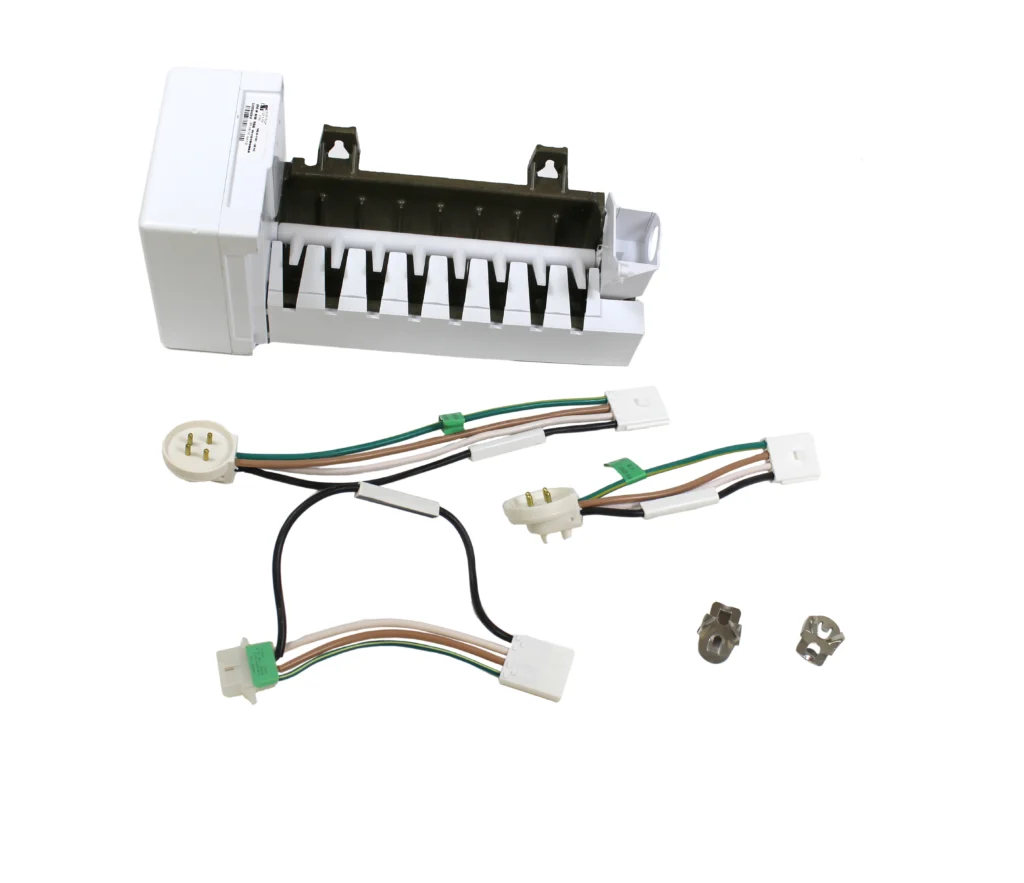
Most Whirlpool ice makers like the 4317943 should last 4–6 years, but the average homeowner replaces theirs after just 3. The difference? Those extra years come down to water quality and one monthly task most people skip.
This assembly works across Whirlpool, KitchenAid, Kenmore, and Maytag models—including the WRT318FMDB02, KSCS25FKSS02, and ED22TQXFN00. Whether you've got a side-by-side or French door, the maintenance principles stay the same.
How Long Should It Last?
Under ideal conditions, the 4317943 ice maker assembly runs 5–7 years. But "ideal" means filtered water, stable freezer temps (0°F to 5°F), and regular cleaning. Skip any of those, and you're looking at 2–3 years before problems start.
Hard water is the biggest killer. Mineral buildup clogs the fill valve, freezes in the mold, and eventually jams the mechanical components. If you're in an area with hard water and don't have a filter, cut that lifespan estimate in half.
Temperature swings matter too. Every time your freezer cycles above 10°F, the ice starts melting slightly, then refreezes into clumps that strain the ejector mechanism.
Signs It's Wearing Out
Ice makers don't usually die overnight. They give you weeks or months of warning signs if you know what to look for.
Ice Production Slows Down or Stops Completely
When your ice maker stops making ice entirely, it's often the fill valve or water inlet that's clogged. But before it stops completely, you'll notice it takes longer between batches—maybe 3–4 hours instead of 90 minutes. That's your early warning.
Sometimes the motor's still trying to cycle, but nothing's happening. You might hear the mechanism attempting to eject ice when there isn't any. That grinding sound? That's wear on the gears.
Leaking Water Inside the Freezer
Water pooling under your ice maker bin or freezing into a solid mass on the freezer floor means the fill valve isn't shutting off properly. This usually starts as a small drip you only notice when you pull the bin out, then gets worse over weeks.
The fill cup can also crack from repeated freeze-thaw cycles, especially if your freezer temp isn't stable. Once it cracks, water sprays instead of flowing into the mold, and you'll see ice forming in weird places.
Dispenses Too Much or Too Little Ice
When the ejector mechanism starts failing, you'll get either massive ice chunks (because cubes fused together) or tiny half-formed pieces. The sensor arm that detects when the bin is full can also stick, causing the unit to overfill or underfill.
If you're getting hollow or misshapen cubes, that's usually a water pressure issue, but it can also mean the mold heater is weakening and not releasing cubes cleanly.
When to Replace vs Maintain
Here's the honest truth: if your ice maker won't start at all and you've already replaced the water filter, cleaned everything, and checked the shutoff arm, you're probably looking at replacement. The 4317943 is a complete assembly—when the motor or control module fails, repair isn't cost-effective.
But if you're dealing with slow ice production, minor leaking, or irregular cube sizes, maintenance can buy you another year or two. Start with the water filter. A clogged filter drops water pressure, which affects fill times and cube formation.
Clean the mold and fill cup every 3 months. Use a 1:1 mix of white vinegar and warm water—nothing abrasive. Mineral deposits look like white or brown crust and they build up faster than you'd think.
Check the shutoff arm moves freely. It's just plastic and can get sticky from ice buildup or freezer frost. If it's stuck in the "up" position, the unit thinks the bin is full and won't make ice.
For models like the WRF560SEHZ and KSRB25FHSS02, make sure your freezer temperature stays between 0°F and 5°F. Anything warmer and you'll get soft ice that clumps. Anything colder and the mechanism works harder than it should.
Frequently Asked Questions
How often should I replace the water filter to protect my ice maker?
Every 6 months, no exceptions. Even if the water tastes fine, mineral buildup happens invisibly. Set a phone reminder for January 1st and July 1st. A $40 filter twice a year is cheaper than a $109 ice maker assembly.
Can I use vinegar to clean my ice maker without damaging it?
Yes, but dilute it 1:1 with warm water and never soak electrical components. Wipe down the mold, fill cup, and shutoff arm with a soft cloth dampened with the vinegar solution. Rinse with plain water after. Don't use bleach or harsh cleaners—they can crack plastic parts.
Why does my ice maker work for a few months then stop again?
This cycle usually means mineral buildup is the problem, not a mechanical failure. You're cleaning it or replacing it, it works for a while, then deposits build up again. Install a whole-house water softener or at minimum a dedicated refrigerator water filter system. The built-in filter alone isn't always enough in hard water areas.
Element showing wear?
4317943 · Replace before it fully fails