
How to Replace W10815027 Washer Shift Actuator on Whirlpool Maytag — Step-by-Step
Unplug the washer completely before beginning repair. The shift actuator connects to motor control systems with live voltage when powered.
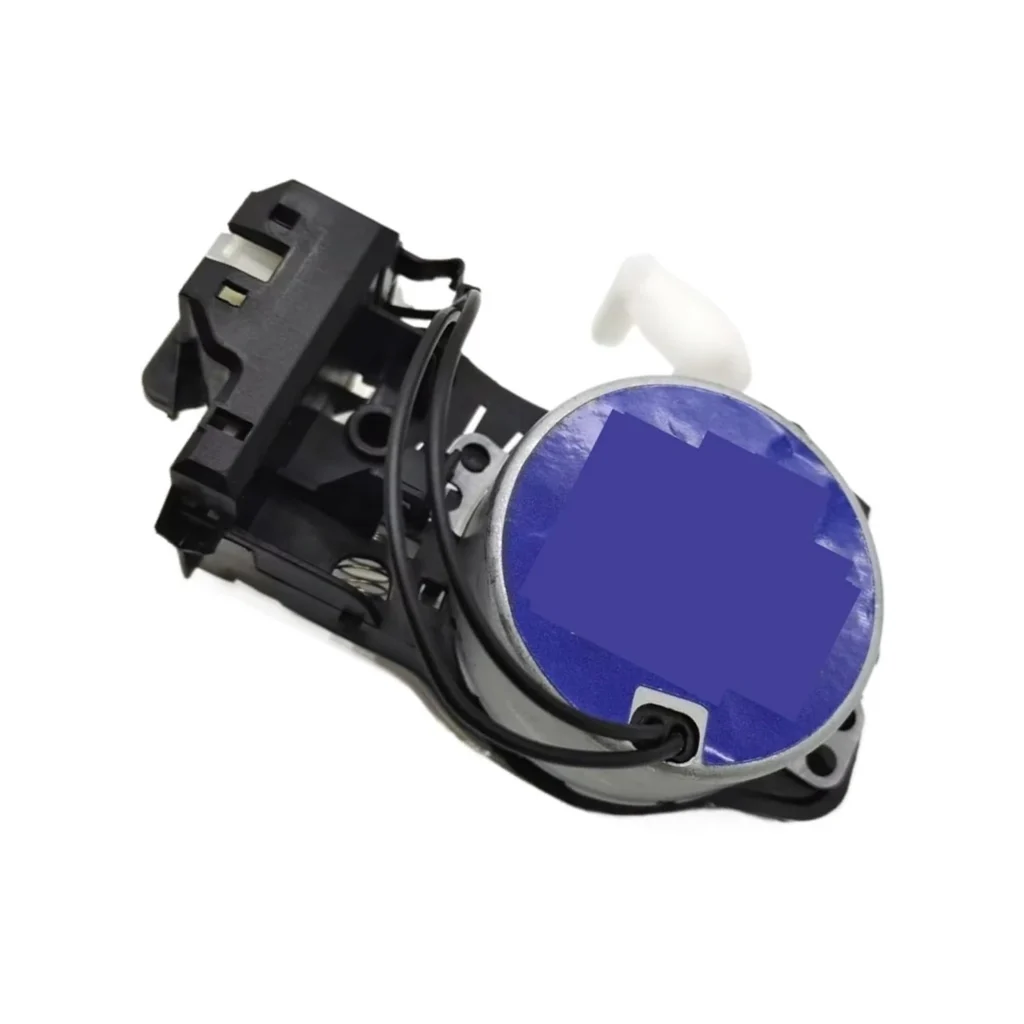
Your Whirlpool WTW4816FW2 won't agitate properly, or it's stuck in one cycle and won't advance to spin. The drum moves during the wash cycle, but when it's time to spin out the water, nothing happens. You hear the motor running, but the basket just sits there full of soaking wet clothes. Nine times out of ten, you're looking at a failed shift actuator — the W10815027.
This part controls the transmission's shift between agitate and spin modes. When it fails, your washer gets stuck in one mode or the other. The good news? This is a straightforward repair that takes less than an hour, and you don't need to pull the entire transmission.
What You Need Before Starting
Gather these tools before you start:
- 1/4-inch nut driver or socket set
- Flat-head screwdriver
- Needle-nose pliers
- Towels (for any residual water)
- Work gloves
Repair Time: 45-60 minutes
Difficulty: MODERATE
This repair requires removing the cabinet and accessing components beneath the washer basket. If you've replaced a washer door latch or agitator before, you can handle this.
Safety First
Unplug the washer completely. The shift actuator connects directly to the motor control system, and you'll be working near live wire harnesses. Pull the plug from the wall, not just the breaker. Also, turn off the water supply valves behind the washer — you won't disconnect the hoses, but it's safer to have them off. If there's standing water in the tub, run a drain cycle first or manually bail it out with towels.
Step 1: Remove the Console and Cabinet
Pop off the end caps on the console (they usually pry off with a flat-head screwdriver). Remove the two or three screws underneath — typically 1/4-inch hex heads. Tilt the console back carefully; it's still connected by wire harnesses, so let it rest against the wall. You don't need to disconnect anything yet.
Now for the cabinet. Look for two screws at the bottom front corners of the washer — remove these. Then lift the entire cabinet straight up about an inch and pull it forward. The cabinet slides off the base frame. Set it aside carefully.
Step 2: Locate the Shift Actuator
You'll see the motor at the bottom center of the washer. The shift actuator is a small cylindrical component mounted on or near the transmission — it looks like a black plastic motor about 3 inches long with a white or gray gear mechanism on one end. There's a wire harness connector and usually two mounting bolts holding it in place.
On models like the WTW5000DW1 and WTW4715EW2, it's positioned on the right side of the transmission housing. On the WTW4816FW series, it's center-mounted.
Step 3: Disconnect and Remove the Old Actuator
Press the tab on the wire harness connector and pull it straight off. Don't yank on the wires themselves — squeeze the connector housing. The actuator is held by two bolts, usually 1/4-inch hex heads. Remove both bolts and keep them — you'll reuse them.
Here's the tricky part: the actuator shaft engages with the transmission shift mechanism. You'll need to gently wiggle and pull the actuator straight out. If it's stuck, don't force it — there may be a small retaining clip you need to release first. Check for a C-clip on the shaft near where it enters the transmission.
Step 4: Install the W10815027 Replacement
Before installing the new W10815027, check the gear teeth on the end. They should be clean and intact. Align the actuator shaft with the transmission input — there's usually a flat side or D-shaped profile that only fits one way. Push it in gently until it seats completely. You should feel it click into position.
Reinstall the two mounting bolts and tighten them snug — not gorilla-tight, just firm. Reconnect the wire harness until you hear the tab click. Give the actuator a gentle tug to make sure it's secure.
Step 5: Reassemble and Test
Slide the cabinet back onto the base frame — align the bottom edge first, then lower it into place. Reinstall the two bottom corner screws. Swing the console back down and replace its mounting screws, then snap the end caps back on.
Plug the washer back in and turn on the water supply.
Testing After Installation
Run a complete wash cycle with no clothes — just water. Listen for the shift actuator engaging. You should hear a brief whirring sound (about 2-3 seconds) when the washer transitions from agitate to spin. The basket should spin freely and drain properly. If the washer still won't shift, double-check that the actuator shaft is fully engaged with the transmission and the wire harness is clicked in completely.
Check underneath for any leaks while it's running — you didn't touch the water connections, but it's worth a look while you're watching it.
Frequently Asked Questions
Will this work on Maytag Bravos washers?
Yes, the W10815027 is compatible with many Maytag Bravos models that use the same transmission design. It replaces part numbers W11511138, W10913952, and W11398782, which were used across Whirlpool, Maytag, Amana, and Admiral top-load washers built between 2010 and 2020.
My washer still won't spin after replacing the actuator — what else could it be?
If the actuator replacement didn't fix it, check the drive motor coupling and the clutch assembly. A worn motor coupling will let the motor run without turning the transmission. Also verify the lid switch is working — most models won't spin unless the lid is detected as closed.
How do I know if the shift actuator is bad before ordering the part?
The most common symptom is a washer that agitates but won't spin, or vice versa. You might also hear a grinding or clicking sound during the transition between cycles. Some washers will display an error code — LF (long fill) or F7 E1 on Whirlpool models often points to shift actuator failure. If you manually advance the cycle and the basket still won't spin, the actuator is the likely culprit.
Check the gear teeth on the new actuator before installation — make sure they're clean and undamaged. A small amount of white lithium grease on the shaft can help it seat smoothly.
Need the part for this repair?
W10815027 · In Stock · Ships next business day