
How to Extend Your Dishwasher Upper Rack Wheel Life — Maintenance Guide
Never force a stuck rack — excessive pressure can crack the wheel housing or damage the door hinge mechanism. If wheels don't roll freely after cleaning, replace them.
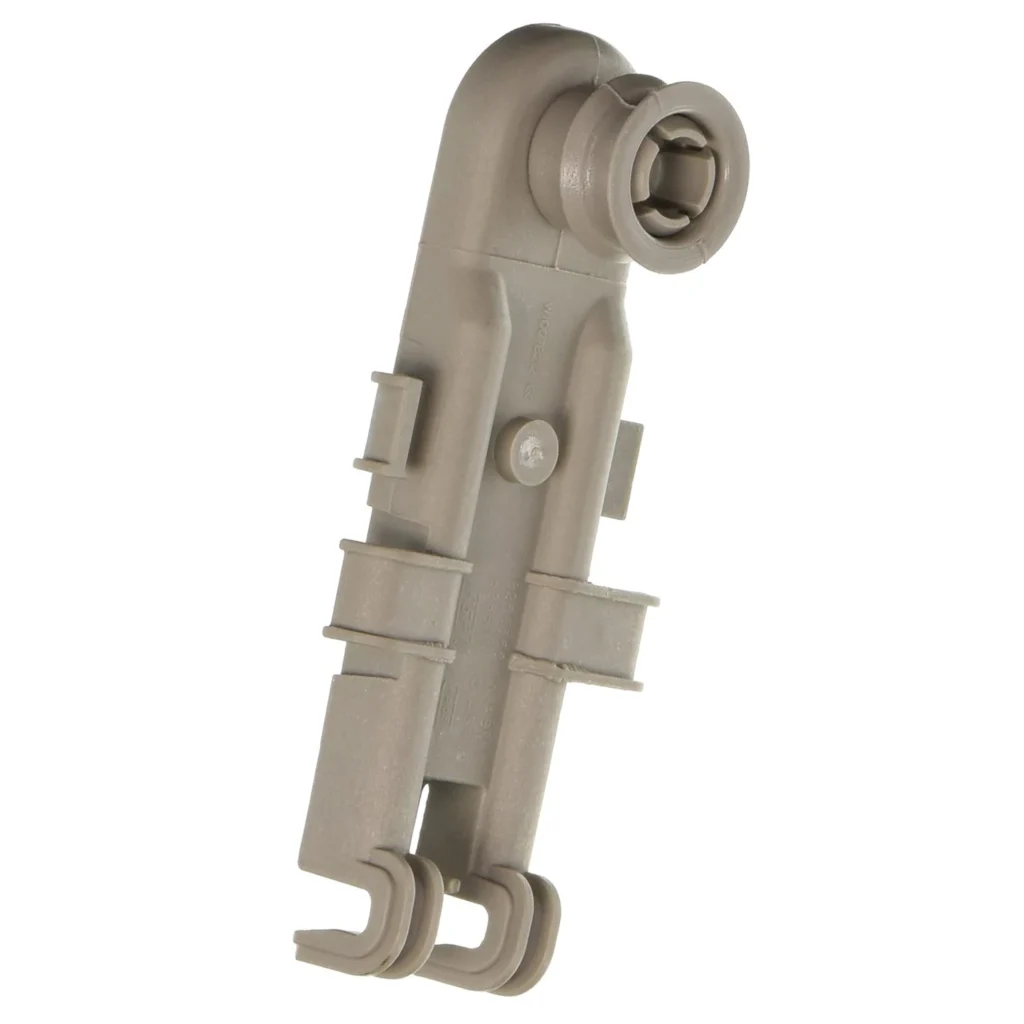
Most dishwasher upper rack wheels should last 8-10 years, but most fail within 3-5. The difference? A few minutes of preventive care every month. When these wheels wear out prematurely, your dishwasher door won't close properly because the rack sits crooked and prevents the door latch from engaging — a frustrating problem that often gets misdiagnosed as a door issue.
These small plastic wheels handle hundreds of pounds of cumulative stress. Every time you load or unload dishes, they support the weight of the entire upper rack plus your dishes. Add hard water deposits, food debris, and the heat stress from drying cycles, and you've got a recipe for premature failure.
How Long Should These Wheels Last?
The 8268785 upper rack wheel — used across KitchenAid models like KUDM01FKBL0, KUDM01FKSS1, and dozens of other variants — is built from high-temperature nylon composite. In ideal conditions, you're looking at 8-10 years of service life.
What affects longevity:
- Water hardness: Mineral deposits build up in the wheel axle, creating friction that wears the plastic faster
- Rack loading habits: Yanking the rack out roughly or overloading it accelerates wear
- Cleaning frequency: Food particles act like sandpaper against the wheel mechanism
- Heat exposure: High-temp wash cycles cause the plastic to become brittle over time
With proper maintenance, you can push these wheels to their full 10-year lifespan. Without it, they'll crack or seize up within 3-5 years.
Signs Your Rack Wheels Are Wearing Out
Catch these issues early and you can extend the life of your wheels. Wait too long and you'll need replacement.
Door Won't Close Properly
This is the telltale failure symptom. When wheels crack or seize, the upper rack sits unevenly. It tilts forward or backward just enough that the door can't latch. You'll find yourself pushing harder on the door, and it'll bounce back open. The problem isn't your door latch — it's the rack position caused by failed wheels.
Grinding or Squeaking When Sliding the Rack
Fresh wheels glide silently. If you hear scraping, squeaking, or grinding, mineral deposits have built up in the wheel mechanism or the plastic is wearing thin. This is your early warning — address it now before the wheels crack.
Rack Feels Stuck or Jerky
The rack should pull out smoothly in one continuous motion. If it catches, releases, catches again, or requires extra force, the wheels aren't rotating freely. They're either clogged with debris or the axle holes have worn oval-shaped instead of round.
Visible Cracks in the Wheel Housing
Inspect each wheel closely. Look for hairline cracks radiating from the center axle hole or stress fractures around the wheel rim. These always worsen — plastic doesn't heal itself. Once you spot cracks, replacement is inevitable.
Rack Sits Crooked Even When Empty
An empty rack should hang level. If one side droops or the front tilts down, at least one wheel has failed. The rack weight is no longer distributed evenly across all wheels.
When to Replace vs Maintain
Here's the honest breakdown: if the wheels have visible cracks or the door won't close, maintenance won't help. You need new wheels. The 8268785 costs less than $15 for a set and takes 10 minutes to replace — don't try to limp along with damaged wheels.
But if your wheels are intact and you're just experiencing minor stiffness or squeaking, aggressive cleaning and lubrication can restore smooth operation. Pull the rack out completely, remove the wheels (they typically snap off), soak them in white vinegar for 30 minutes to dissolve mineral deposits, scrub with an old toothbrush, rinse thoroughly, and reinstall. No food-grade lubricant needed — dishwasher detergent provides enough lubrication during normal operation.
Replace immediately if you see cracks, deformation, or if maintenance doesn't restore smooth rolling. Don't wait for complete failure — a jammed rack can stress the door hinge mechanism.
Frequently Asked Questions
Can I just replace the damaged wheels or do I need to replace all of them?
Replace all the wheels on the upper rack at once, even if only one or two are visibly damaged. They've all experienced the same wear conditions, and the others will fail soon. Mixing old and new wheels can cause the rack to roll unevenly. The 8268785 kit typically includes a full set for the upper rack.
Why does my dishwasher rack keep falling off the track?
If the entire rack assembly falls forward off the rails, the wheels aren't the problem — the rail stops or rack clips have failed. But if the rack just sits crooked and prevents door closure, that's classic wheel failure. Check whether the rack can be lifted straight up off the rails (stops failed) or if it just won't roll smoothly (wheels failed).
Will aftermarket wheels work as well as OEM parts?
The 8268785 is actually manufactured by the same supplier for both OEM and aftermarket channels. The part number WP8268785 is the Whirlpool factory designation, and replacements sold under that number are identical. Just verify the seller is providing genuine replacement parts, not cheap knockoffs — the material quality matters for heat resistance and longevity.
Element showing wear?
8268785 · Replace before it fully fails