
How to Extend Your Whirlpool Dryer Lint Filter Life — Maintenance Guide
Never run the dryer without the lint filter installed. Even one load sends lint directly into the dryer cabinet and vent system, creating fire hazards and damaging internal components.
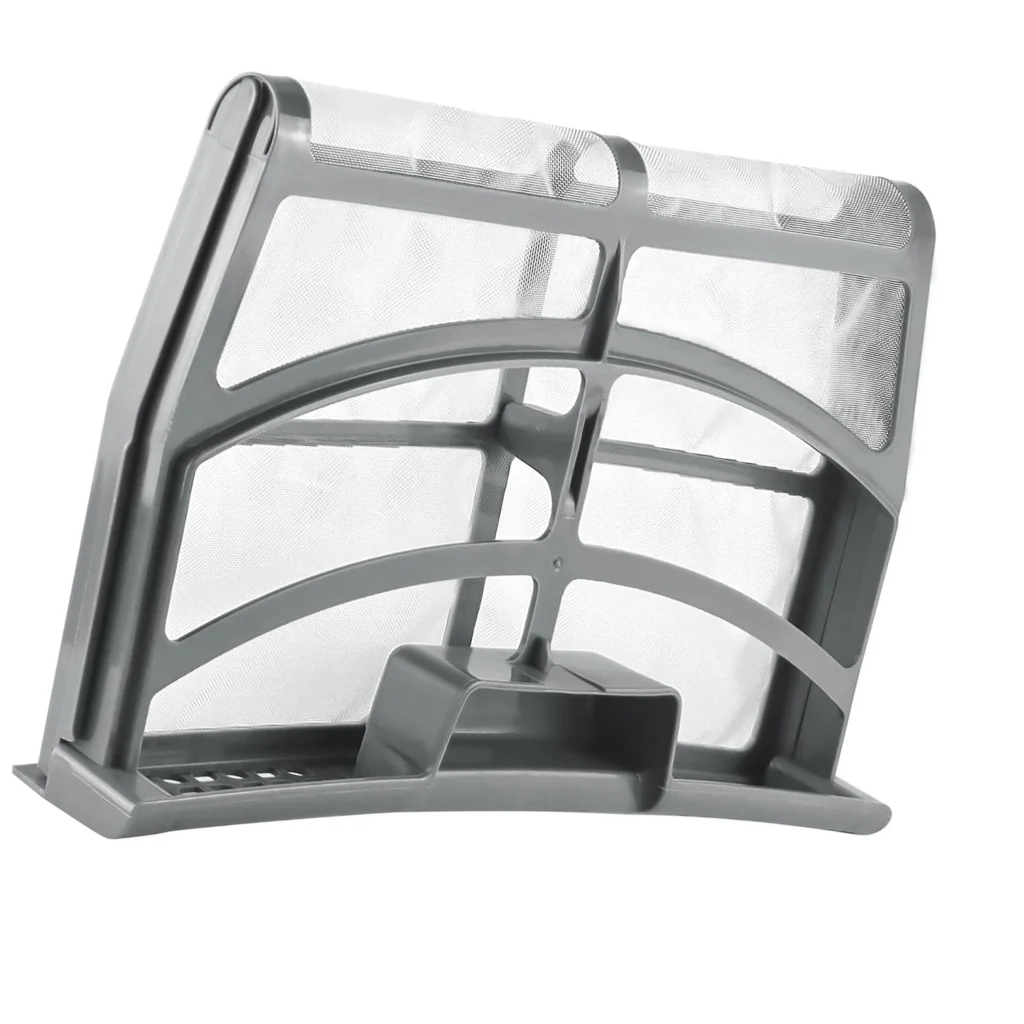
Most people think a lint filter either works or it doesn't. But here's what I see constantly: filters that look clean but are actually clogged at the mesh level, cutting dryer efficiency by 30% or more. Your W10859086 lint filter should last 8-10 years, but I've replaced filters in 18 months because people didn't know the difference between empty and clean.
How Long Should It Last?
A quality lint filter like the W10859086 — used across Whirlpool WED8000DW, WED8500DC, and WGD8000DW series — is built to last the life of your dryer. We're talking 10-15 years under normal conditions.
But that lifespan hinges on one thing: mesh integrity. The filter frame will outlast your dryer. It's the fine screen that degrades, and here's what kills it:
- Dryer sheet residue buildup — creates an invisible waxy film that blocks airflow
- Fabric softener residue — same problem, different source
- Hard water + detergent — combines into a cement-like coating over time
- Physical damage — tears, bent frames from rough handling
I've tested filters that looked spotless but couldn't pass the water test. Pour water through a clean filter — it should flow through immediately. If it beads up or drains slowly, your mesh is clogged even if you can't see it.
Signs It's Wearing Out
Don't wait for obvious damage. These early warnings tell you the filter's losing effectiveness:
Clothes Take Two Cycles to Dry
This is the #1 symptom. Your dryer isn't broken — it's suffocating. Restricted airflow through a gunked-up filter means moisture can't escape. You're running the dryer twice as long and wondering why your electric bill doubled.
Test: Pull the filter after a normal cycle. Does lint cake on heavy? That's normal. But if you see a greasy, felted layer that won't brush off easily, your mesh is compromised.
Visible Mesh Discoloration
The screen should be uniform gray-silver. If you see:
- Yellow or brown streaks
- Shiny, slick-looking patches
- Any area that looks darker or "sealed"
That's residue buildup blocking airflow. It won't come off with your hand. You need to actually wash this filter.
Water Beads Instead of Flowing Through
Remove the filter and run it under your kitchen faucet. Water should pour straight through like a sieve. If it pools on top or drains slowly, you've got invisible clogging — usually from fabric softener or dryer sheets creating a hydrophobic coating.
This test reveals problems you can't see, and it's why "looks clean" doesn't mean much with lint filters.
Torn Mesh or Bent Frame
Obvious physical damage, but people ignore small tears. Even a dime-sized hole lets lint bypass the filter and clog your dryer's blower wheel, moisture sensor, and exhaust vent. At that point, you're looking at a $200+ service call instead of a $10 filter.
When to Replace vs Maintain
Replace immediately if:
- Any tears or holes in the mesh, no matter how small
- Bent or warped frame that doesn't seal properly in the housing
- Mesh won't pass the water test even after deep cleaning
- You see melted or heat-damaged areas (yes, this happens)
Maintain if:
- Frame is intact and mesh has no tears
- Water flows through after cleaning (even if it didn't before)
- You can see light through the entire screen when held up
Here's the honest truth: if you've never deep-cleaned your filter and your dryer's over 3 years old, clean it properly once and see if performance improves. If not, just replace it. The W10859086 costs $9.99 — less than running your dryer an extra 30 minutes per load for a month.
Frequently Asked Questions
How often should I actually wash the lint filter?
Every 1-2 months for a deep clean if you use dryer sheets or liquid fabric softener. Every 3-4 months if you don't. Between deep cleans, just remove surface lint after every load. Takes 5 seconds — no excuse not to do it.
Can I use the dishwasher to clean my dryer lint filter?
I don't recommend it. The high heat can warp the plastic frame on some models, including those using the W10859086. Hand-wash with dish soap and a soft brush works better anyway — you need the mechanical scrubbing action to break down residue.
Will a clogged filter really cause a dryer fire?
Directly? Rare. But here's what happens: clogged filter forces lint past the screen into the dryer cabinet and vent system. That lint buildup, especially near the heating element, is a genuine fire hazard. The filter itself won't ignite, but it creates the conditions for other parts to. Clean your filter, clean your vent, prevent the problem upstream.
Element showing wear?
W10859086 · Replace before it fully fails