
How to Extend Your Frigidaire Selector Knob Life — Maintenance Guide
Always disconnect power before removing knobs for cleaning. Never force a stuck knob — clean the shaft first to avoid cracking the socket.
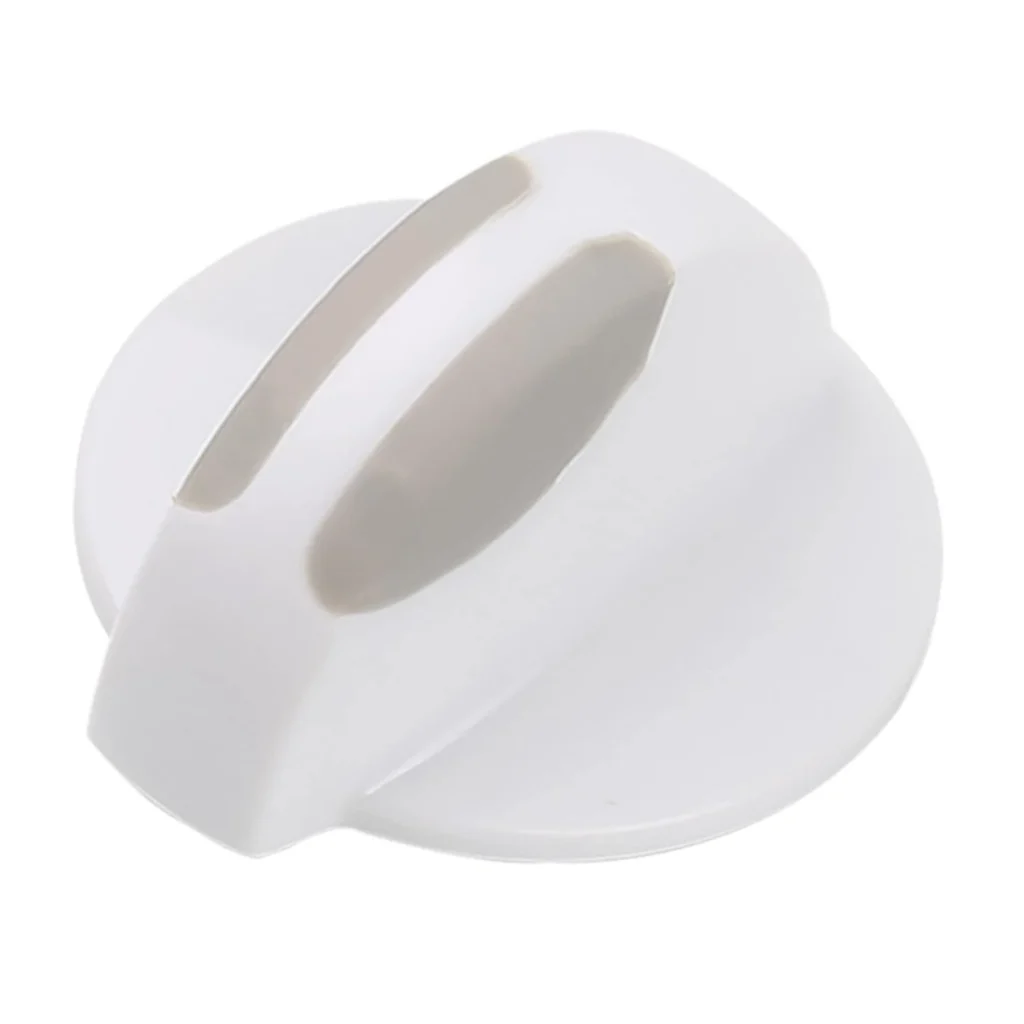
You'd think a selector knob would last forever, but here's the reality: most fail between 8-12 years — not from mechanical wear, but from kitchen grease, temperature cycling, and finger oils breaking down the plastic interface. Yet with basic maintenance, you'll easily push that to 15+ years on your Frigidaire range.
How Long Should It Last?
The 134844410 selector knob uses a D-shaped shaft connection to your range's control system. Under normal use, the plastic body should handle 20,000+ rotation cycles. That's roughly 8-10 years for an average household cooking 5-7 days weekly.
What actually kills these knobs isn't mechanical failure — it's environmental damage. Kitchen heat causes the plastic to become brittle. Cooking oils migrate into the shaft connection, creating sticky buildup that makes the knob harder to turn. Eventually, you're forcing it, and the internal D-shaft socket cracks.
Compatible models like the CFRE5711KW0, CRER442AS2, and CRGR5700AS0 all use this same knob design. If you've got multiple knobs showing wear patterns, they'll likely fail around the same timeframe since they've experienced identical conditions.
Signs It's Wearing Out
Catch these problems early, and you can extend the knob's life. Wait too long, and you're looking at a $47 replacement.
Resistance When Turning
The knob should rotate smoothly through all settings. If you're feeling notchy movement or it sticks at certain positions, grease buildup is coating the shaft. This isn't the knob failing yet — it's telling you to clean it before the extra torque cracks the socket.
Looseness or Wobble
Pull the knob straight out (it should pop off easily). Look at the D-shaped socket inside. See any cracks radiating from the center? That's early-stage failure. The socket's expanding from repeated stress. Once it wobbles visibly while installed, you're weeks away from it spinning freely without engaging the shaft.
Surface Discoloration or Texture Changes
White or cream knobs that turn yellowish aren't just cosmetically damaged — that's UV and heat degradation making the plastic brittle. If the surface feels rough instead of smooth, the molecular structure's breaking down. You can still maintain it, but handle more gently.
Temperature Marking Wear
When you can't read "BAKE" or the temperature numbers anymore, it's not just annoying — you'll start forcing the knob to random positions, applying uneven stress that accelerates socket wear. Consider replacement before you crack it.
When to Replace vs Maintain
Here's the honest decision framework: If the D-socket shows any visible cracks, replace it. There's no repair. That connection needs structural integrity.
If the knob's still tight but sticky or dirty? Maintenance will buy you years. Pop it off monthly, clean thoroughly, and you'll likely outlast the range itself.
If it's discolored but functional? Keep maintaining it, but order the replacement part now. When it's in stock at $46.99, grab it. These knobs go on backorder during peak cooking seasons, and you don't want to be stuck with a broken knob before Thanksgiving.
Frequently Asked Questions
Can I Use Any Cleaner on the Selector Knob?
No. Avoid anything with acetone, bleach, or ammonia — these dissolve the plastic's surface layer. Use warm water with mild dish soap. For stubborn grease, a 50/50 white vinegar solution works without damage. Always let it dry completely before reinstalling.
How Often Should I Remove and Clean the Knob?
Monthly if you cook daily, quarterly if you're a light user. The frequency matters less than consistency. Built-up grease hardens over time, so regular light cleaning beats aggressive scrubbing once a year.
Will the Knob Fit Tighter After Cleaning?
Sometimes yes — if grease was the only thing keeping a worn socket snug. If it feels looser after cleaning, that's revealing existing wear, not causing new damage. At that point, you're in the replacement window within 6-12 months.
Element showing wear?
134844410 · Replace before it fully fails