
How to Extend Your LG Washer Door Boot Seal Life — Maintenance Guide
Always unplug the washer before performing any maintenance that requires reaching behind or under the unit. Never use undiluted bleach on the gasket.
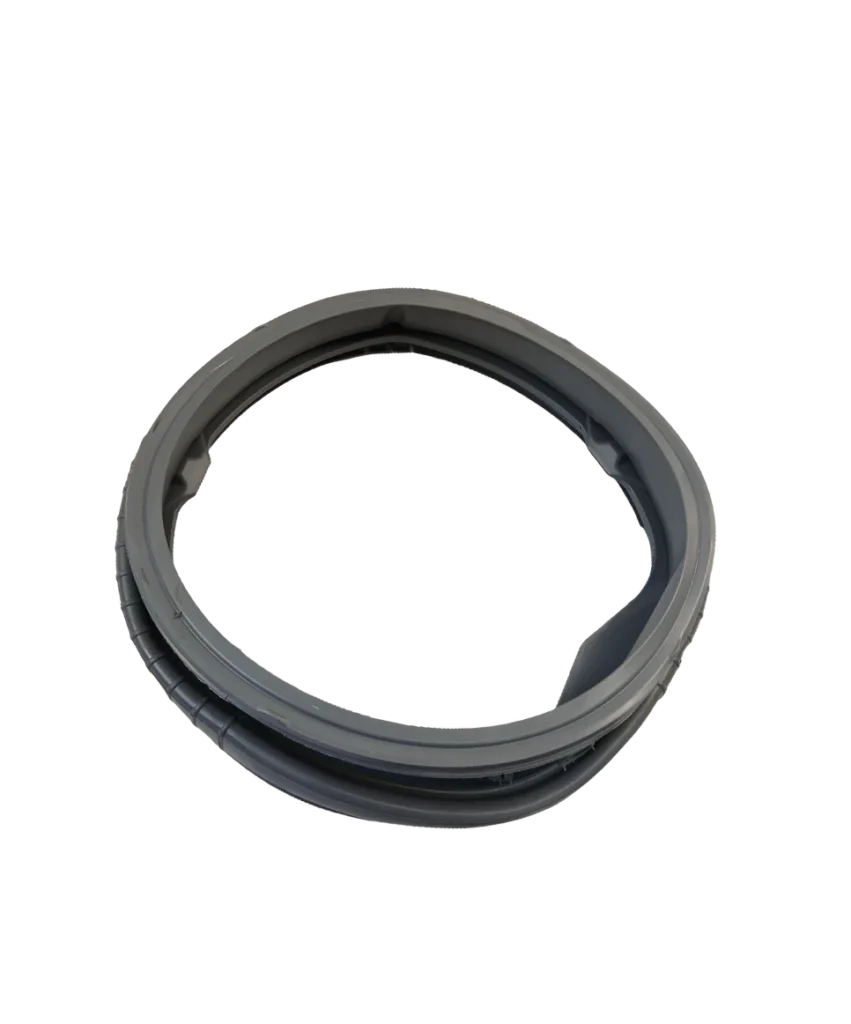
Here's something most LG front-load washer owners don't realize until it's too late: that rubber door boot seal costs over $100 to replace, but with basic maintenance, you can double or even triple its lifespan. Most door gaskets fail between 5-7 years, yet they're designed to last 10-15 years. The difference? Five minutes of attention after each load.
The MDS47123605 door boot seal fits dozens of LG and Kenmore models — from the WM3470HVA to the WM3770HWA — and they all share the same vulnerability. Water pools in the bottom fold of the gasket after every wash cycle. Left sitting there, it creates the perfect environment for mold, mildew, and rubber deterioration.
How Long Should It Last?
Under ideal conditions, this door boot seal should last 10-15 years. In reality, most homeowners replace them every 5-7 years. The culprits? Trapped moisture, detergent residue buildup, and small objects (coins, bobby pins, pet hair) that work their way into the folds and create tiny tears.
The rubber compound in the MDS47123605 is built to withstand thousands of wash cycles, but it can't fight constant exposure to standing water and soap scum. That combination breaks down the rubber's elasticity, leading to cracks, tears, and eventually — leaks across your laundry room floor.
With proper care, you can push that lifespan to 12-15 years. It's not complicated, just consistent.
Signs It's Wearing Out
The door gasket doesn't fail overnight. It gives you warning signs, usually weeks or months before a full breakdown. Here's what to watch for:
Water Pooling Under the Washer
This is the number one symptom. You'll notice dampness or small puddles forming under or around the washer after a cycle. It starts small — maybe just a wet spot you can wipe up. But that wet spot means the seal has developed a crack or tear that's letting water escape during the spin cycle. Check the bottom fold of the gasket first. That's where 80% of leaks originate.
Visible Mold or Mildew Growth
If you see black spots, orange streaks, or smell that distinctive musty odor when you open the door, the gasket isn't draining properly. The mold itself isn't the problem — it's a symptom that water is sitting in the folds instead of draining away. Left unchecked, this moisture will degrade the rubber and lead to cracks.
Rubber Feels Stiff or Cracked
Run your hand along the inside folds of the gasket. It should feel supple and flexible. If it feels stiff, brittle, or you can see hairline cracks forming, the rubber is breaking down. Once you see visible cracks, you're usually 6-12 months away from leaks.
Clothes Coming Out Damp on One Side
If the seal isn't seating properly against the drum, water can seep between the tub and the door during the wash cycle. You might notice clothes on one side of the load are wetter than the others, or the washer sounds different during the spin cycle.
Weekly Maintenance Routine
After every wash — or at minimum, once a week — wipe down the entire gasket with a dry cloth. Pull back the folds and run the cloth along the bottom where water collects. This 30-second habit prevents 90% of premature gasket failures.
Once a month, do a deeper clean. Mix equal parts white vinegar and water in a spray bottle. Spray the entire gasket, let it sit for 5 minutes, then wipe clean with a microfiber cloth. This dissolves detergent buildup and kills mold spores before they can establish colonies.
Leave the washer door open between loads. This seems obvious, but most people close the door to keep the washer looking tidy. Don't. The gasket needs airflow to dry completely. Even 2-3 hours with the door closed creates enough humidity for mold to start growing.
What About Detergent Type?
High-efficiency (HE) detergent matters more than you'd think. Regular detergent creates excess suds that don't rinse away completely. Those suds settle in the gasket folds and leave a sticky residue that traps moisture and accelerates rubber breakdown. If you're using regular detergent in an HE washer, you're shortening your gasket's life by years.
Use the minimum recommended amount of HE detergent. More soap doesn't mean cleaner clothes — it just means more residue coating your gasket.
When to Replace vs Maintain
If you catch issues early, you can maintain your way out of most problems. Here's the decision framework:
Keep maintaining if: You see early mold growth but no cracks, water pools occasionally but you're not consistently finding puddles, the rubber still feels flexible, and there's no visible damage to the gasket structure.
Replace immediately if: You see tears or holes in the rubber, water leaks during every wash cycle, the gasket has pulled away from its mounting ring, or you smell mildew even after thorough cleaning. At that point, no amount of maintenance will fix structural damage.
The MDS47123605 costs $107.99, which sounds steep until you factor in potential water damage to your flooring. A sustained leak can cause hundreds or thousands in damage if it soaks into subflooring or seeps into adjacent rooms.
The Object Check
Once a month, do a physical inspection of the gasket folds. You're looking for trapped objects — bobby pins, coins, screws, wire from bras, pet hair clumps. These small items work their way into the gasket and create pressure points that lead to tears.
Run your fingers completely around the gasket, pulling back each fold. You'd be surprised what you'll find. One small nail or staple can create a tear that grows with every wash cycle.
The Bleach Mistake
Many owners pour bleach into the drum and run a "clean cycle" thinking it'll sanitize the gasket. Don't. Straight bleach is too harsh for the rubber compound and accelerates deterioration. If you must use bleach, dilute it heavily (1 part bleach to 10 parts water) and never let it sit in contact with the gasket for more than 10 minutes.
White vinegar works better anyway. It kills mold, dissolves mineral deposits, and won't damage the rubber.
Frequently Asked Questions
How Often Should I Deep Clean the Door Boot Seal?
Once a month is the sweet spot. Weekly wipe-downs handle daily moisture, but a monthly deep clean with vinegar solution prevents buildup you can't see with the naked eye. If you use your washer heavily (more than 10 loads a week), bump it to every 2-3 weeks.
Can I Use Armor All or Rubber Protectant on the Gasket?
No. Those products are designed for automotive rubber and contain petroleum distillates that can break down the specific rubber compound used in washer gaskets. They'll make the seal shiny, but they'll also make it brittle within months. Stick with plain water and vinegar for cleaning, and let the rubber's natural oils do their job.
My Gasket Smells Even After Cleaning — Is It Too Late?
Not necessarily. Persistent odor usually means mold has colonized deep in the gasket folds where surface cleaning can't reach. Try this: mix 2 cups of white vinegar with 1 cup of baking soda, pour it directly into the gasket's bottom fold, let it sit for 30 minutes, then run a hot water cycle. If the smell persists after two treatments, the mold has likely penetrated the rubber itself and replacement is your only option.
Element showing wear?
MDS47123605 · Replace before it fully fails