
How to Extend Your Rheem Furnace Flame Sensor Life — Maintenance Guide
Always shut off electrical power at the breaker and close the gas valve before removing the flame sensor. Never bypass or disable the flame sensor — it prevents dangerous gas buildup.
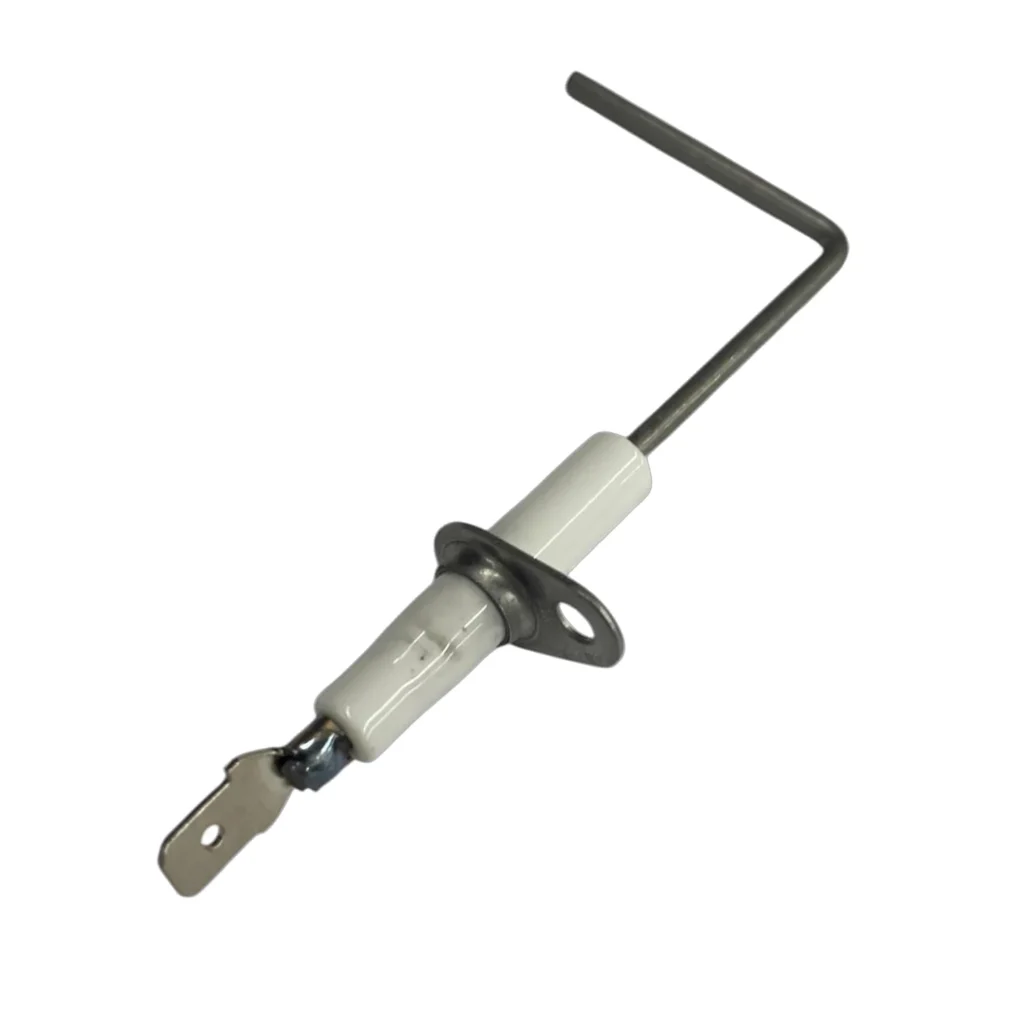
Here's something most HVAC techs won't tell you: that $15.99 flame sensor should last 10–15 years, but most homeowners replace them every 3–5 years. The difference? A Q-tip and five minutes every fall.
The 62-23543-01 flame sensor sits in your Rheem furnace's burner assembly, acting as the safety eyes that confirm your gas is actually burning. When it gets coated with carbon buildup — and it will — your furnace starts short-cycling or won't ignite at all. You'll think the part failed, but 80% of the time it just needs cleaning.
How Long Should Your Flame Sensor Last?
Under normal conditions, a flame sensor rod like the 62-23543-01 can function for 10–15 years. The ceramic insulator and metal probe don't wear out — they just get dirty. However, if you're running your furnace in a dusty environment, have incomplete combustion due to a dirty burner, or your furnace is oversized and short-cycles frequently, you'll see carbon and soot accumulation happen much faster.
Most forced-air furnaces cycle 3–8 times per hour during heating season. Each cycle exposes the sensor rod to combustion byproducts. Over time, even clean-burning gas leaves microscopic residue that insulates the sensor from detecting the flame's electrical current.
With proper maintenance, you can push that lifespan to 15+ years on models like the RGDG, RGLG, RGPH, and RGPJ series Rheem furnaces. Without it, you're looking at replacement every few seasons — not because the sensor failed, but because nobody cleaned it.
Signs Your Flame Sensor Is Getting Dirty
Your furnace will tell you when the flame sensor needs attention, usually right when the temperature drops and you need heat most. Here's what to watch for:
Furnace Lights Then Shuts Off After 3–5 Seconds
This is the classic symptom. You hear the igniter click, see the burners light up through the viewing window, then everything shuts down before the blower even starts. The flame sensor detected ignition initially, but the coating prevented it from maintaining the tiny microamp signal the control board needs. The safety system assumes no flame and kills the gas valve.
Repeated Ignition Attempts (Three Tries Then Lockout)
Your furnace tries to light three times in a row — ignite, shutdown, ignite, shutdown, ignite, shutdown — then gives up and flashes an error code. This is the control board following its safety protocol. A dirty sensor looks like a failed ignition to the system, even though you can see the flames with your own eyes.
Intermittent Heat — Works Sometimes, Fails Others
The furnace runs fine for a few cycles, then starts the short-cycling behavior, then works again an hour later. This indicates borderline sensor performance. The carbon buildup isn't thick enough to block the signal completely, but temperature changes or vibration shift the coating just enough to cause intermittent failures. This is your early warning — catch it now before it fails completely at 2 AM.
The Five-Minute Maintenance That Prevents Most Replacements
Turn off power at the breaker and gas at the valve. Remove the single screw holding the sensor bracket — it's usually right next to the burners with one wire connected. The sensor rod itself looks like a small metal probe extending into the flame path.
Use 400-grit sandpaper or a dollar-store emery board and gently polish the rod. You're not trying to remove metal, just the carbon film. It'll look slightly discolored even when clean — that's normal. Some techs use fine steel wool, but sandpaper gives you better control and won't leave fibers behind.
Don't use harsh solvents or abrasive pads. You want to remove carbon without scratching the rod surface, which would make future buildup accumulate faster in the grooves.
When to Replace vs Clean
If cleaning doesn't solve the short-cycling, check the sensor position. It needs to sit in the flame envelope — usually about 1/2 inch into the burner flame. Too far away and it won't sense reliably even when perfectly clean.
Replace the 62-23543-01 if you see cracks in the ceramic insulator, if the metal rod is deeply pitted or corroded, or if the wire connection is loose and can't be tightened. Also replace it if you've cleaned it twice in one season — that indicates a combustion problem that's creating excessive carbon, and you need to address the root cause (dirty burners, improper gas pressure, restricted airflow).
The sensor itself is cheap at $15.99. But if you're replacing sensors every year, you're treating symptoms instead of fixing the underlying issue. Look at your burner flames — they should be steady blue with small yellow tips. Mostly yellow or dancing flames mean incomplete combustion that'll kill sensors repeatedly.
Seasonal Maintenance Schedule
Clean your flame sensor every fall before heating season starts. If you live where the furnace runs six months straight, clean it again mid-winter in January. That's it — two cleanings per year max for most homes.
While you've got the sensor out, vacuum around the burners and check your air filter. A restricted filter reduces airflow, which affects combustion efficiency and creates more carbon buildup. These systems work together.
If you're in a new construction home or recently remodeled, increase cleaning frequency for the first two years. Drywall dust and construction debris create extra contamination that coats everything faster until the house fully settles.
Frequently Asked Questions
Can I clean a flame sensor too much?
Yes, but you'd have to be aggressive about it. Gentle annual or semi-annual cleaning with fine sandpaper won't damage the rod. The problem is over-aggressive cleaning with coarse abrasives or wire brushes that scratch the surface and create texture where carbon accumulates faster. Think of it like polishing, not grinding.
Why does my flame sensor work fine all summer then fail in fall?
It's been accumulating a thin carbon layer all year from the pilot light (if you have one) or from the last heating season. That coating doesn't affect performance until the furnace starts cycling regularly and adding more buildup rapidly. The first cold snap is when marginal sensors cross the threshold from "barely working" to "completely failed."
Will a dirty flame sensor increase my gas bill?
Indirectly, yes. If the sensor is causing short-cycling, your furnace is lighting and re-lighting repeatedly instead of running steady heating cycles. Each ignition sequence wastes gas, and the constant on-off cycling is less efficient than longer, steady burns. You're also wearing out your igniter faster, which is a more expensive repair than a flame sensor cleaning.
Element showing wear?
62-23543-01 · Replace before it fully fails