
How to Extend Your Whirlpool Drain Tube Life — W10619951 Maintenance Guide
Always unplug the refrigerator before accessing drain components. Wear gloves when cleaning drain pan — bacteria and mold commonly present.
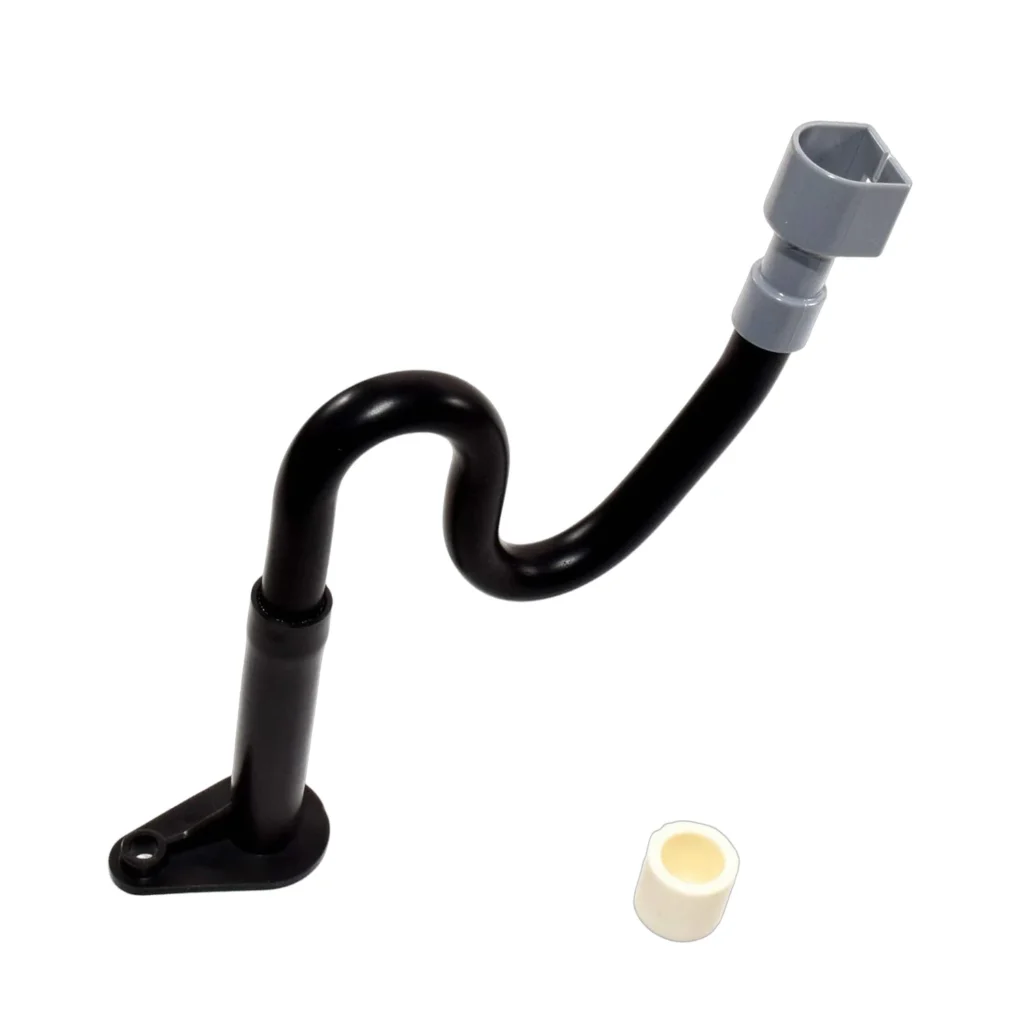
Here's something nobody tells you when you buy a refrigerator: that little drain tube at the back? It'll outlast most components if you maintain it, but it'll fail within two years if you ignore it. The W10619951 P-Trap drain tube should last 8-10 years with proper care, yet I've replaced dozens that clogged up in less than 24 months.
The difference isn't the part — it's whether you knew what to look for.
How Long Should It Last?
Under normal conditions, the W10619951 drain tube assembly lasts 8-10 years in models like the GB2FHDXWQ04, KBFS20EVMS1, or GZ25FSRXYY2. But "normal" is doing a lot of work in that sentence. Most failures happen because of clogging — not manufacturing defects.
What kills drain tubes early:
- Food particles in the defrost cycle — they wash down and create blockages
- Mold and algae growth — happens in humid climates or with poor air circulation
- Ice dams — when water backs up and refreezes in the tube
- Never cleaning the drain pan — creates a breeding ground that works backward into the tube
I've seen this part last 15+ years in commercial settings where they flush it monthly. I've also seen it fail in 18 months in homes where nobody knew it existed.
Signs It's Wearing Out
The W10619951 doesn't just suddenly fail. It gives you warnings — you've just got to know what you're looking at.
Water Pooling Under Crisper Drawers
This is usually the first sign. You'll notice moisture or actual puddles underneath your vegetable drawers. It's not condensation — it's water that should be draining out but can't because the tube's partially blocked. On models like the ABB1921BRB02 or 7GI5FSAXVY1, you'll see this before any other symptom appears.
Frost Buildup in the Freezer Floor
When the drain tube clogs completely, defrost water has nowhere to go except to refreeze. You'll get a layer of ice on the bottom of your freezer that keeps coming back even after you chip it away. The freezer isn't defrosting properly — not because the heater's bad, but because the water path is blocked.
The Fridge Running Warmer Than Normal
Seems unrelated, right? But when frost accumulates because the drain's clogged, it insulates the evaporator coils. The compressor runs longer trying to compensate. Your fresh food section creeps up to 42°F instead of staying at 37°F. You blame the thermostat when it's actually your drain tube.
Leaking from the Front Base
This is the endgame. Water backs up so far it overflows the drain pan and leaks out the front kick plate. By this point, you've probably got mold in the pan and significant buildup in the tube. One user told me they removed "what looked like a science experiment" from their clogged drain.
The 15-Minute Maintenance Schedule
You don't need to be handy to keep this part working. You need a turkey baster, hot water, and about 15 minutes twice a year.
Every six months: Pour a cup of hot water mixed with a tablespoon of bleach down the defrost drain opening (it's inside the freezer, usually behind a panel at the back). This flushes any buildup before it becomes a clog. Let it sit for 5 minutes, then flush with plain hot water.
Annually: Pull the fridge out and check the drain pan underneath. Empty it, wash it with soapy water, and inspect the outlet end of the tube for any visible blockages. On models like the EB2SHKXVQ01, the pan slides out from the front once you remove the kick plate.
When you notice frost: Don't wait. Use a turkey baster with hot water to flush the drain immediately. If water doesn't flow freely, you've caught it before it becomes a full blockage. If it backs up, you'll need to remove the tube and clear it manually — which takes about 30 minutes with a nutdriver and screwdriver.
When to Replace vs Maintain
Here's the honest assessment: if you're flushing the drain and water still backs up, or if you can see cracks in the P-trap assembly when you pull the fridge out, it's replacement time. The W10619951 costs $40.99 — which is a lot less than a service call or water damage to your floor.
Replace if:
- Hot water flushes don't clear the blockage after three attempts
- The P-trap has visible cracks or the fitting connections are loose
- You've had to clear it more than twice in six months (something's creating recurring clogs)
- There's black mold growth inside the tube that won't flush out
Maintain if:
- Water flows freely when you pour it down the drain
- You're just doing preventive care and have no symptoms
- You caught early frost buildup and cleared it successfully
The replacement takes 15-30 minutes according to actual repair data. You'll need a nutdriver and screwdriver. One technician noted: "Removed the defective drain part and installed the new p-trap design drain tube kit" — it's a straightforward swap on compatible models like the GS5VHAXWY00 or AFI2539ERW02.
Frequently Asked Questions
How often should I flush my refrigerator drain tube?
Every six months for preventive maintenance. If you live in a humid climate or notice your fridge working harder than usual, do it quarterly. The five minutes it takes beats replacing the part or dealing with water damage.
Can I use drain cleaner in my refrigerator drain tube?
No. Chemical drain cleaners can damage the plastic tube and contaminate your fridge. Stick with hot water and a small amount of bleach (1 tablespoon per cup of water). The bleach kills mold and algae without harming the plastic components.
Why does my drain tube keep clogging even after I clean it?
You've probably got a food particle source. Check if anything's getting into the defrost cycle — crumbs on freezer shelves, improperly sealed food containers, or a damaged door gasket letting in debris. Also verify your drain pan is clean — if it's full of sludge, bacteria can grow upward into the tube between your cleaning sessions.
Element showing wear?
W10619951 · Replace before it fully fails