
How to Keep Your Frigidaire Freezer Door Bins From Cracking — 240351601 Care Guide
Always unload bins completely before removing them from the door. A falling bin full of frozen items can cause injury or damage flooring.
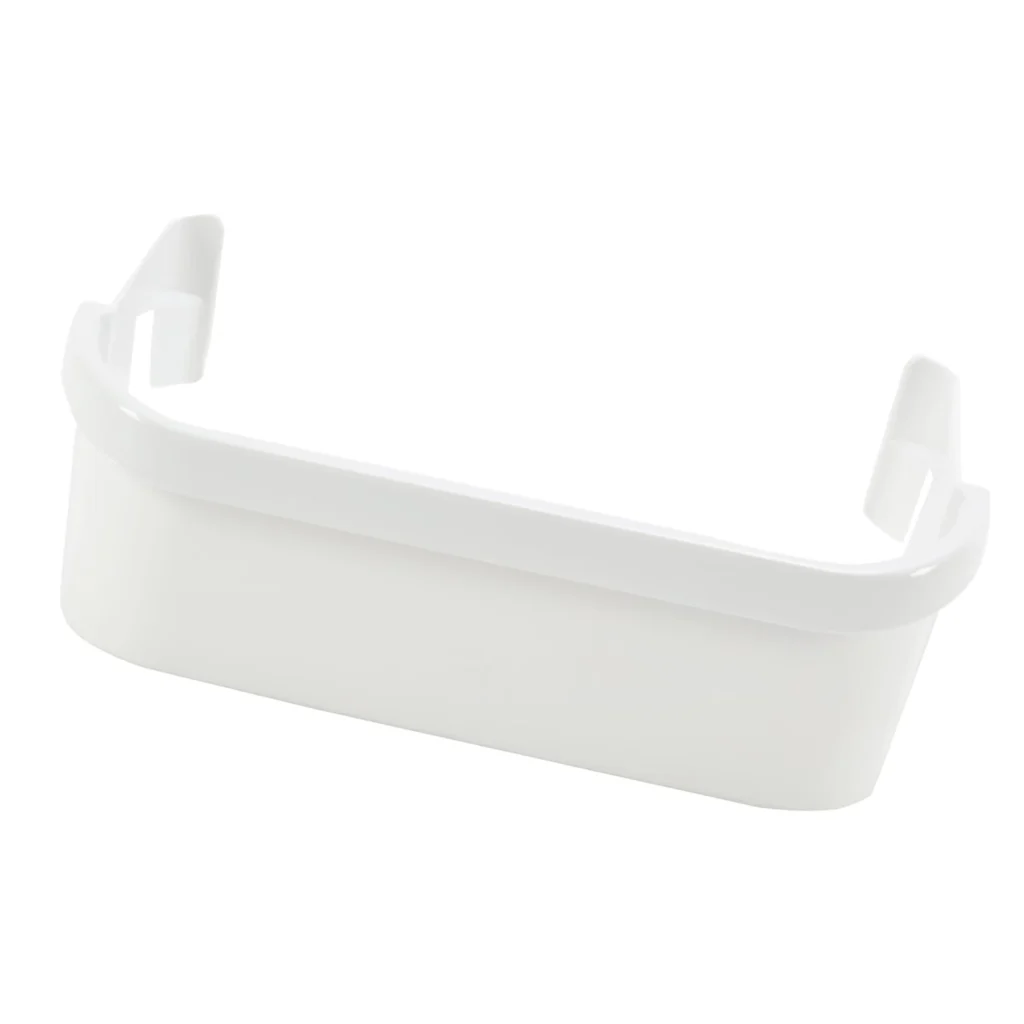
Here's something nobody tells you when you buy a refrigerator: those plastic door bins aren't designed to last forever. The 240351601 freezer door shelf bin in your Frigidaire side-by-side typically cracks or breaks within 5-7 years — but with proper care, you can push that to 10+ years and save yourself the $31 replacement cost.
I've replaced hundreds of these bins, and the failure pattern is always the same: stress cracks at the mounting points, followed by complete breakage when someone loads it with frozen pizza boxes one too many times.
How Long Should It Last?
Under normal use, the 240351601 bin should last 7-10 years. The problem is that "normal use" rarely happens in real kitchens. These bins are made from ABS plastic that becomes brittle over time, especially when exposed to temperature cycling and overloading.
The bins on the left-hand freezer door get hit the hardest. You're constantly removing and replacing items, and the lower three bins (all using part 240351601) bear the weight of stacked frozen goods. The upper bin (part 240334201) usually outlasts them because it carries lighter items.
What kills these bins early:
- Temperature shock: Opening the freezer door in summer when it's 90°F outside
- Overloading: Stacking heavy items that exceed the bin's weight capacity
- Impact damage: Slamming the door or hitting the bin with frozen items
- Age-related brittleness: The plastic loses flexibility after 5+ years
Signs It's Wearing Out
Unlike mechanical parts that make noise before they fail, door bins give you visual warnings. Check your bins every few months for these telltale signs:
White Stress Lines at Mounting Points
Look closely at where the bin attaches to the door. See thin white lines radiating from the screw holes or snap-fit points? That's the plastic crying for help. These stress cracks start microscopic but spread quickly once they start.
Run your fingernail across the area. If you can feel a ridge or catch your nail in a crack, replacement is coming soon. Don't wait until it breaks with a full load of frozen food.
The Bin Feels Loose or Wobbly
When new, the 240351601 bin snaps firmly into place with no movement. After years of use, the mounting tabs wear down or crack slightly, creating play in the connection. If you can wiggle the bin side-to-side more than a quarter-inch, the mounting points are compromised.
This wobble accelerates the final failure. Each time you load or unload items, you're flexing those weakened mounting points.
Discoloration or Cloudy Appearance
Fresh ABS plastic is clear or has a consistent color. As it ages and becomes brittle, you'll notice the plastic turns slightly cloudy or develops a yellowish tint. This isn't just cosmetic — it indicates the material is breaking down at the molecular level.
Once you see this discoloration, you're in the final year or two of the bin's life. Plan ahead and order a replacement before the inevitable crack happens.
Maintenance Schedule That Actually Works
The good news? Maintaining these bins takes maybe 10 minutes every few months. Here's what actually makes a difference:
After Each Major Grocery Trip
Resist the urge to cram everything into the bins immediately. Let frozen items warm up for 2-3 minutes before loading — this reduces thermal shock to the plastic. Distribute weight evenly across multiple bins rather than overloading the bottom ones.
Monthly Deep Freeze Inspection
Once a month when you're cleaning out expired items, remove each bin completely and inspect it under good light. Look for those white stress lines, check the mounting points, and feel for any rough spots that indicate developing cracks.
While the bin is out, wipe it down with warm (not hot) water and mild soap. Harsh chemicals can accelerate plastic breakdown. Let it come to room temperature before reinstalling.
Every 6 Months: The Load Test
With the bin empty, gently press on the center bottom. It should flex slightly but spring back. If it flexes more than half an inch or doesn't return to shape immediately, the plastic is losing integrity.
Also check that all mounting points engage properly. The bin should click firmly into place with no gaps between the bin and the door liner.
When to Replace vs Maintain
Here's my honest assessment after 20 years of appliance repair: if you see actual cracks — even small ones — it's time to replace. Unlike metal or wood, cracked plastic doesn't heal or stabilize. It only spreads.
Replace immediately if:
- You can see through any crack, even hairline
- The bin flexes abnormally when loaded
- Mounting tabs are broken or missing
- The bin has been repaired before (glue or tape)
Keep maintaining if:
- Bin is firm with no visible cracks
- Only minor surface scratches present
- All mounting points intact and functional
- Bin is less than 5 years old
One customer told me, "Replacing broken door parts is a breeze" — and they're right. The 240351601 snaps in without tools in about 30 seconds. Don't overthink the replacement decision. If you're inspecting the bin because you're worried about it, that worry is usually justified.
The Weight Rule Nobody Follows
Most door bin failures come down to one thing: overloading. These bins are designed for lightweight frozen items like vegetables, ice packs, and small boxes. They're not designed for multiple half-gallon ice cream containers or stacked frozen pizzas.
A good rule: if you wouldn't want to hold it in one hand for 30 seconds, it's too heavy for a door bin. Move heavy items to the main freezer shelves where they belong.
Why These Bins Fail More Than Others
The 240351601 is used in dozens of Frigidaire, Kenmore, and Electrolux models — everything from the FRS26H5ASB5 to the PLHS67E series. It's a common part because it fits the standard side-by-side freezer door configuration.
But that popularity also means it's been in production (with minor variations) for over a decade. The plastic formula has changed slightly over the years, and some manufacturing batches are more brittle than others. If you bought your fridge between 2015-2018, you likely got a batch with shorter lifespan.
The replacement part (which also uses numbers like AP2115974, 240351607, and PS430027) is supposedly improved, but I've seen mixed results. The best strategy is still proper maintenance and not overloading.
Frequently Asked Questions
Can I repair a cracked door bin instead of replacing it?
Technically yes, using plastic welding or special adhesives — but I don't recommend it. The repair rarely lasts more than a few months, and when it fails, you'll have a mess of frozen food on your floor. At $31 for a new bin that takes 30 seconds to install, replacement is the smarter move. Save the repair skills for parts that cost $200+.
Are aftermarket bins as good as OEM Frigidaire parts?
The 240351601 sold by most suppliers is actually the same part Frigidaire uses. It's manufactured by the same company and carries the same part numbers (AP2115974, 240351607, PS430027). There's no "aftermarket" version with this particular bin — you're getting the genuine article regardless of where you buy it. Focus on finding the best price from a reputable seller rather than worrying about OEM vs aftermarket.
My fridge came without door bins — can I just buy them separately?
Absolutely. This happens more often than you'd think, especially with floor models or homes where the previous owner removed them. For a Frigidaire side-by-side like the one described in your serial number, you'll need specific bins for each position. The lower three freezer door bins use part 240351601 (the one we're discussing), while the upper freezer bin is part 240334201. The right-hand refrigerator door uses different numbers entirely. Check your model's parts diagram to order exactly what you need.
Element showing wear?
240351601 · Replace before it fully fails