
How to Extend Your GE Refrigerator Door Shelf Life — WR2X8345 Maintenance Guide
Never force shelves in or out — damaged clips can create sharp plastic edges. Always unplug refrigerator before removing door shelves to prevent electrical hazards from water contact with ice maker or dispenser wiring.
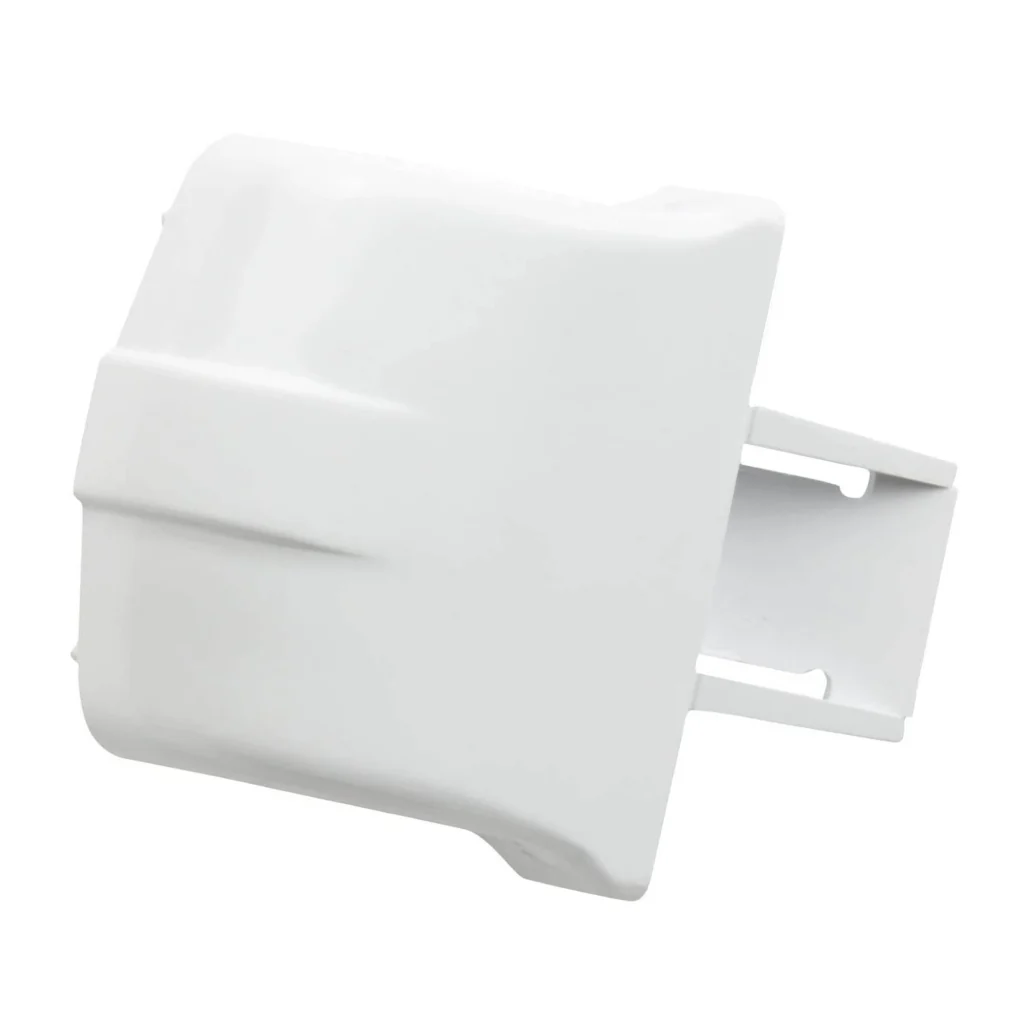
That rattling sound every time you open your GE fridge? It's probably a loose door shelf — and nine times out of ten, it's because the retainer bar end caps have cracked or worn down. The WR2X8345 end cap might be a small plastic piece, but it's what keeps your door shelves from sliding around and dumping condiments all over the floor.
I've replaced hundreds of these on models like the GTS18HCRERWW, TBX18TAZERAD, and CTX16EYXKRAD. Most people don't know these caps need any attention until they've already broken. Here's how to make yours last.
How Long Should It Last?
Under normal conditions, these retainer bar end caps should last 5–8 years. But that's assuming you're not overloading shelves, slamming the door, or exposing them to temperature extremes.
What actually happens? Most fail around the 3–4 year mark. Why? Plastic fatigue from constant door opening, weight stress from heavy bottles, and UV exposure from kitchen lighting. The cap material becomes brittle, develops hairline cracks, then snaps when you slide a shelf in or out.
If you maintain them properly, you can push that to 7–10 years easily.
Signs It's Wearing Out
Don't wait for a catastrophic failure. Watch for these warning signs:
The Shelf Wobbles Side-to-Side
When you push on the door shelf and it rocks laterally, the end cap isn't gripping the retainer bar properly anymore. This happens when the internal clip mechanism wears down or the plastic socket expands from repeated stress.
Visible Cracks or Whitening
Check the end caps closely. See any white stress marks radiating from the clip area? That's plastic under tension about to fail. Small hairline cracks near where the cap snaps onto the bar mean you've got maybe a month before it breaks completely.
The Cap Feels Loose or Falls Off
If you can pull the end cap off without any tools, it's done. The internal tabs have worn smooth. At this point, it's not holding anything — the shelf is just friction-fit against the door liner.
Rattling Noise When Door Opens
That clicking or rattling sound? It's the shelf moving in a worn cap socket. Every rattle is the shelf impacting plastic, accelerating wear on both the cap and the retainer bar itself.
Maintenance Schedule That Actually Works
After Every Deep Clean (Every 3 Months)
When you're wiping down shelves, inspect the end caps. Look for cracks, discoloration, or looseness. Wiggle each shelf — there should be zero side-to-side play. If you feel movement, that cap is wearing out.
Monthly Weight Check
Door shelves aren't designed for 12-packs of soda. Maximum recommended weight per shelf is about 15 pounds. If you're storing heavy bottles, redistribute weight or move them to interior shelves. Overloading accelerates cap wear exponentially.
Annual Deep Inspection
Once a year, remove the shelves completely. Check the retainer bar for cracks or bending. Inspect end caps under bright light for stress marks. If the cap plastic feels brittle or chalky, replace it before it fails. It'll cost you $36 now or $300 in spoiled food later.
What Kills These End Caps Fast
Temperature cycling is the big one. If your fridge is in a garage or unconditioned space, the plastic goes through extreme temperature swings. That makes it brittle fast.
Overloading shelves creates constant flexing stress. The caps aren't designed to support 30 pounds of glass jars.
Forcing shelves in or out when they're binding wears the clip tabs. Always lift slightly when removing shelves — don't yank them straight out.
When to Replace vs Maintain
If the cap has any visible cracks, replace it immediately. There's no fixing cracked plastic — it'll only get worse.
If it's loose but intact, you might extend its life by cleaning the retainer bar with isopropyl alcohol and making sure nothing is preventing proper seating. But honestly? At $36 for peace of mind, just replace it.
If multiple shelves are wobbly, check the retainer bar itself. Sometimes the bar bends or the door liner cracks. You'll need to address that before new caps will help.
Compatible Models to Check
The WR2X8345 fits dozens of GE, Hotpoint, and RCA models including TBX18TAZERAD, GTS18HCRERWW, TBX21IABLRWW, CTX16EYXKRAD, and CTX14EYTDRAD. If your model starts with TBX, GTS, or CTX, there's a good chance this is your part.
Always verify fitment by your model number — it's on the inside wall of the fresh food compartment.
Frequently Asked Questions
Can I Use Glue to Fix a Cracked End Cap?
Don't. The cap is under constant stress and temperature cycling. Superglue or epoxy will fail within days, and you'll have adhesive residue making the proper replacement harder to install. Just replace it.
Why Do These Caps Cost So Much for Such a Small Piece?
They're injection-molded from food-safe ABS plastic with specific clip dimensions. The engineering isn't simple — that little cap has to grip the bar, support shelf weight, and survive thousands of temperature cycles. It's not just a chunk of plastic.
How Do I Know If It's the Cap or the Retainer Bar That's Bad?
Remove the shelf completely and inspect the retainer bar. Run your finger along it — if it's bent, cracked, or has rough spots, that's your problem. If the bar is straight and smooth but the cap slides off easily, replace the cap. If both are worn, you'll need both parts.
Element showing wear?
WR2X8345 · Replace before it fully fails