
How to Keep Your Whirlpool Evaporator Fan Motor Running 10+ Years
Always unplug the refrigerator before accessing the evaporator fan area. The fan blade may be covered in ice with sharp edges. Never force a seized motor to spin — you can damage the windings.
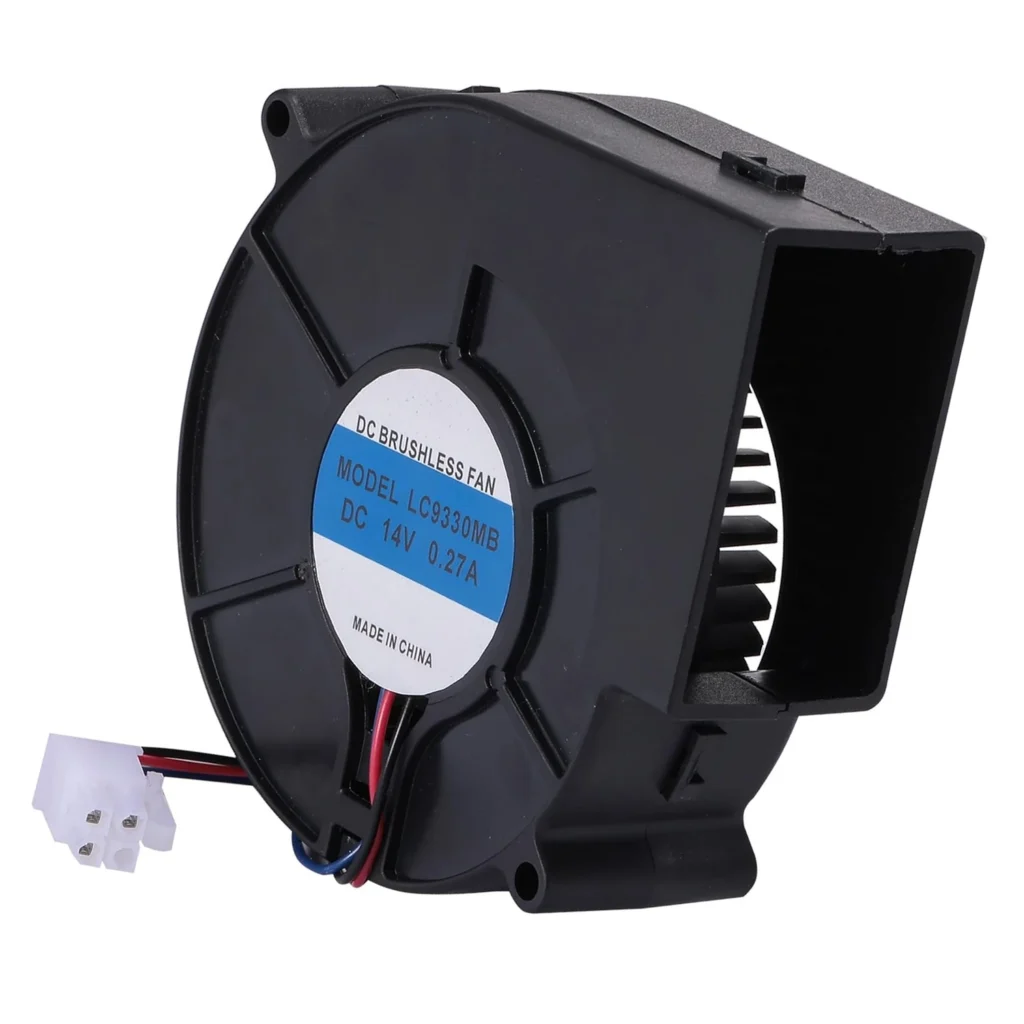
Most Whirlpool evaporator fan motors like the W10846539 are rated for 7–10 years, but the ones in my shop that actually make it that long? They're the exception. The typical motor I see fails around year 5 or 6, and it's almost always preventable.
The evaporator fan sits in the coldest, most humid part of your fridge — the freezer compartment behind the back panel. It runs constantly when the compressor's on, circulating air across the evaporator coils. That environment creates the perfect storm for bearing wear, ice buildup, and motor burnout if you're not paying attention.
How Long Should It Last?
Under ideal conditions, the W10846539 should run 8–12 years. But "ideal" means stable temperatures, proper door seals, and minimal frost accumulation. Reality looks different.
What kills these motors early:
- Ice buildup on the fan blade — adds resistance, overworks the motor
- Bearing degradation — happens faster in humid environments
- Defrost system failures — causes excessive frost that blocks airflow
- Dust on the condenser coils — makes the compressor run longer, which means the fan runs longer
Models like the WRF757SDEE00, WRF757SDHV03, and WRF757SDHZ01 use this motor in French door configurations where the freezer door opens frequently. That temperature cycling accelerates wear if you're not maintaining it properly.
Signs It's Wearing Out
The evaporator fan doesn't just die overnight. It tells you it's struggling weeks or months before it quits completely. Here's what to listen and look for:
Grinding or Squealing From Behind the Freezer Wall
This is bearing failure. The motor shaft runs on bearings that eventually wear out, especially when moisture gets in. You'll hear it most when the compressor first kicks on — a metallic grinding or high-pitched squeal that might stop after a few seconds or continue the whole time it's running.
If you hear this, you've got maybe 2–4 weeks before the motor seizes completely. Don't wait.
Freezer Temperature Climbing Above 0°F
When the fan slows down or runs intermittently, cold air doesn't circulate properly. The evaporator coils get cold, but that cold air sits there instead of moving through the freezer and into the fresh food section.
You'll notice the freezer's warmer than usual (check with a thermometer — it should stay between -5°F and 5°F). The fresh food section warms up even faster because it depends entirely on air from the freezer.
Excessive Frost on the Back Panel
A working fan keeps air moving across the evaporator coils, which prevents heavy frost buildup. When the motor's failing and the blade spins slower (or not at all), you get thick frost accumulation on the back panel and around the fan itself.
This creates a feedback loop — frost makes the motor work harder, which accelerates failure.
Motor Runs Constantly But Moves Little Air
Put your hand near the vents in the freezer. You should feel strong, steady airflow when the compressor's running. If the motor's humming but you barely feel any air, the bearings are shot or the blade's hitting ice.
Maintenance That Actually Extends Lifespan
You can't access this motor for routine maintenance without removing the back panel, and honestly, you shouldn't be doing that quarterly. What you can do is maintain the conditions around it.
Keep the Freezer Defrosting Properly
The defrost system (heater, thermostat, timer or control board) should melt frost off the evaporator coils every 8–12 hours. When it doesn't, frost builds up, blocks the fan, and kills the motor.
If you're manually defrosting your fridge more than once a year, your defrost system's not working. Get it fixed — it's cheaper than replacing motors every few years.
Check Door Seals Every Few Months
Worn door gaskets let warm, humid air into the freezer. That creates frost, which creates resistance on the fan blade, which wears out the motor.
Close the door on a dollar bill. If you can pull it out easily, the seal's weak. Replace the gasket.
Clean Condenser Coils Twice a Year
Dirty condenser coils make the compressor run longer and hotter. That means the evaporator fan runs longer too. More runtime = shorter lifespan.
Pull the fridge out, vacuum the coils on the back or underneath (depending on your model), and you'll cut the fan's total runtime by 15–20%.
Don't Overload the Freezer
Blocking the vents with food boxes forces the motor to work harder to circulate air. Keep at least two inches of clearance around all vents.
When to Replace vs Maintain
If your motor's making noise, replace it. Bearings don't heal themselves, and a failing motor will trip the overload protector repeatedly, which stresses the compressor.
If your motor's quiet but you're noticing temperature issues, first rule out the defrost system and door seals. The W10846539 costs $135.99, so don't throw parts at the problem until you've confirmed the motor's actually bad.
Test it: with the freezer running, open the door and listen. The fan should stop (door switch cuts power). Close the door, wait 10 seconds, and you should hear it start again. If it doesn't, or if it hums without spinning, the motor's done.
This motor fits dozens of Whirlpool, KitchenAid, Maytag, and Jenn-Air models including the WRF757SDEM01, WRF757SDEH00, and WRF757SDHV04. If you're replacing it, expect about 30–45 minutes for the job — you'll need to remove the freezer contents and the back panel to access it.
Frequently Asked Questions
How often should I manually defrost to help the fan motor?
You shouldn't need to manually defrost at all if your automatic defrost system's working. If you're seeing frost buildup that requires manual defrosting more than once a year, fix the defrost system — don't just keep defrosting. That frost is slowly killing your fan motor.
Can I lubricate the evaporator fan motor bearings?
No. These are sealed bearing motors. There's no access point for lubrication, and trying to add oil won't reach the bearings anyway. Once they're grinding, the motor needs replacement. Don't waste time with lubricants.
Will a failing evaporator fan damage other parts?
Yes. When the fan stops circulating air, the evaporator coils ice over completely, which can damage the defrost heater. The compressor also runs longer trying to compensate for poor circulation, which shortens its lifespan. A $135.99 fan motor is way cheaper than a $400+ compressor replacement.
Element showing wear?
W10846539 · Replace before it fully fails