
How to Extend Your GE Washer Agitator Coupling Life — Maintenance Guide
Always unplug your washer before inspecting or removing the agitator. The coupling is located below the agitator and involves moving parts that can cause injury if the machine is powered on.
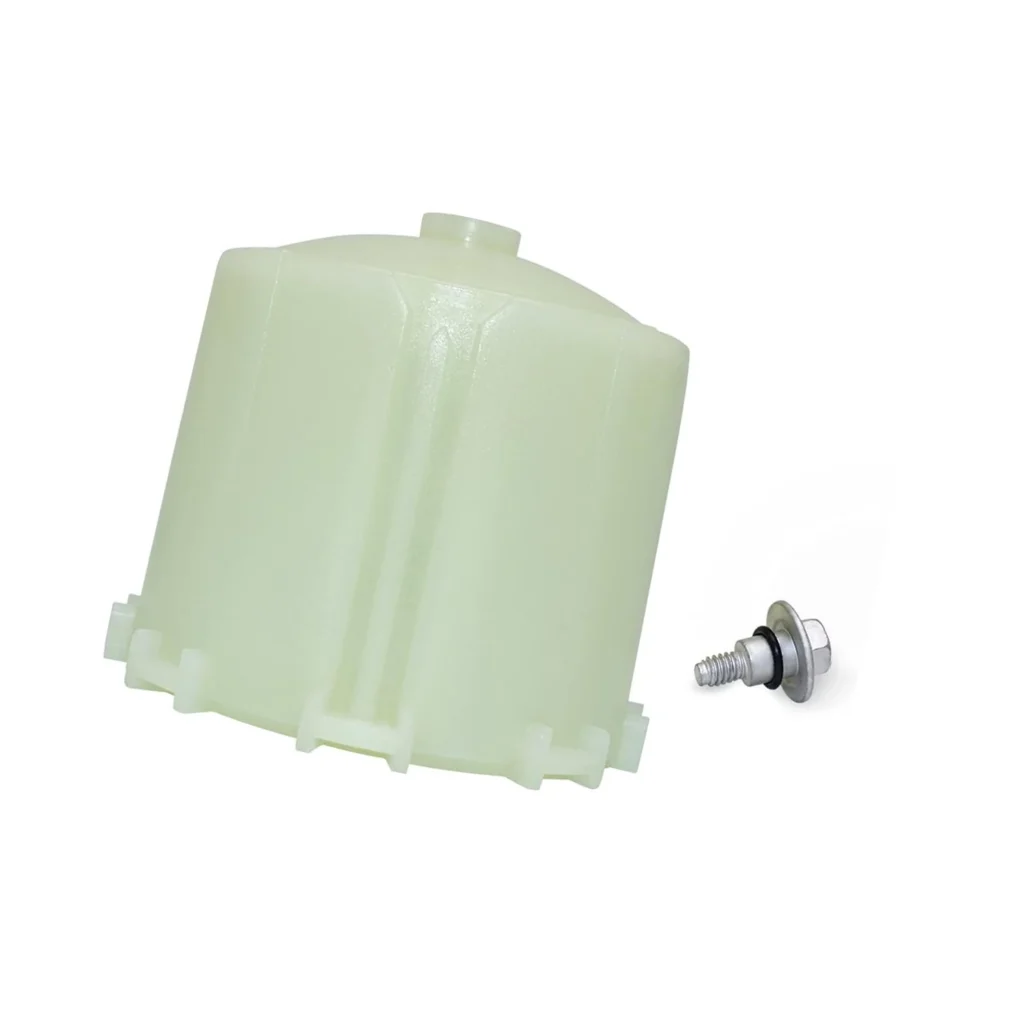
Most GE washer agitator couplings should last 8–12 years, but the reality? Many homeowners replace them every 5–7 years because of preventable wear. I've seen hundreds of failed couplings that could've been avoided with basic maintenance habits. The difference between a 6-year lifespan and a 12-year lifespan often comes down to load size management and catching early warning signs.
How Long Should It Last?
The WH49X10042 agitator coupling in GE, Hotpoint, and Kenmore top-loaders typically lasts between 8–12 years under normal use conditions. That translates to roughly 2,500–3,500 wash cycles.
What affects this lifespan? Three main factors:
- Load size habits — Overloading is the #1 killer. Consistently maxing out your washer capacity puts excessive strain on the coupling mechanism
- Load distribution — Unbalanced loads create uneven torque that accelerates wear on one side of the coupling
- Detergent type — Excessive suds from non-HE detergent can cause the agitator to work harder during cycles
With proper care, you can push this part closer to the 12–15 year mark. Models like the WJSR2080V2WW and WVSR1060A0WW are particularly responsive to good maintenance habits.
Signs It's Wearing Out
The agitator coupling doesn't fail overnight. It gives you warning signs weeks or even months before complete failure. Here's what to watch for:
Weak or Inconsistent Agitation
You'll notice clothes aren't getting clean like they used to. The agitator moves, but it's sluggish or only moves in one direction properly. One user described it perfectly: "I would get the spinning cycle with no problem but there would be no agitation cycle." This is the classic early warning sign — spin works fine because that uses the motor directly, but agitation depends on the coupling.
Test it: With the machine unplugged, pull the agitator up and try rotating it by hand. It should have firm resistance. If it spins freely, your coupling is worn.
Grinding or Clicking Noises During Wash
Unusual noises during the agitation cycle mean the coupling teeth are worn or damaged. You might hear clicking, grinding, or a rattling sound that wasn't there before. These sounds typically happen during the wash cycle, not during spin.
The noise often gets worse with heavier loads because the worn coupling struggles more under higher torque demands.
Loose or Wobbly Agitator
When you manually push or pull the agitator, it feels loose or has excessive play. There's too much movement before it engages. As one repair tech noted: "I was able to spin it freely which meant that the agitator coupler was bad."
This looseness happens because the coupling's drive dogs (the plastic teeth that transfer motion) have worn down. They can't maintain proper engagement with the agitator shaft anymore.
When to Replace vs Maintain
Here's the honest truth: agitator couplings can't really be maintained once they start showing symptoms. There's no "tune-up" for worn plastic teeth. However, you can prevent premature failure through proper use habits.
Replace when:
- The agitator spins freely by hand (coupling is completely stripped)
- You hear grinding noises during the wash cycle
- Clothes consistently come out poorly washed despite proper detergent and water levels
- Visual inspection shows cracked or broken coupling teeth
Maintain (prevent early failure) by:
- Never filling the washer more than 3/4 full — leave room for clothes to move
- Distributing heavy items evenly around the agitator
- Using HE detergent in appropriate amounts (excess suds create resistance)
- Running a monthly cleaning cycle to prevent detergent buildup on moving parts
- Avoiding washing single heavy items like bath mats alone (creates imbalance)
The good news? Replacement is straightforward. As one DIYer put it: "This was a very easy fix and saved me a ton of money." The repair takes under 15 minutes with a 7/16" or 11mm socket, and the part costs around $21 — way better than a service call or new washer.
Frequently Asked Questions
Can I keep using my washer if the agitator coupling is failing?
Technically yes, but you'll get poor wash results and risk damaging other components. A failing coupling puts extra stress on the motor and transmission. Plus, you're wasting water and detergent on wash cycles that don't actually clean clothes. Replace it as soon as you notice symptoms — the repair is too easy and cheap to delay.
How do I know if it's the coupling or the agitator itself that's bad?
Remove the agitator (it pulls straight up with a firm yank). Once removed, look at the coupling underneath. Try to spin it by hand. It should NOT spin freely — if it does, the coupling is worn. If the coupling is tight but the agitator itself is cracked or damaged, you need a new agitator. In most cases with GE washers like the WCSR2090D0WW or WDSR2080D5WW, it's the coupling that fails first.
Will overloading my washer really damage the coupling?
Absolutely. Excessive load sizes are the primary cause of premature coupling failure. The coupling is designed to transfer torque for normal-sized loads. When you consistently overload, you're asking it to move significantly more weight, which accelerates wear on the plastic teeth. Material fatigue sets in faster, and those teeth strip out. One woman saved her washer by fixing this herself in 6 minutes, but she could've avoided the repair entirely by following load size guidelines.
Element showing wear?
WH49X10042 · Replace before it fully fails