
How to Extend Your Whirlpool Dishwasher Upper Rack Adjuster Life — Maintenance Guide
Always adjust rack height when empty or lightly loaded. Never force the adjustment levers. Ensure dishwasher is unplugged before removing rack for deep cleaning.
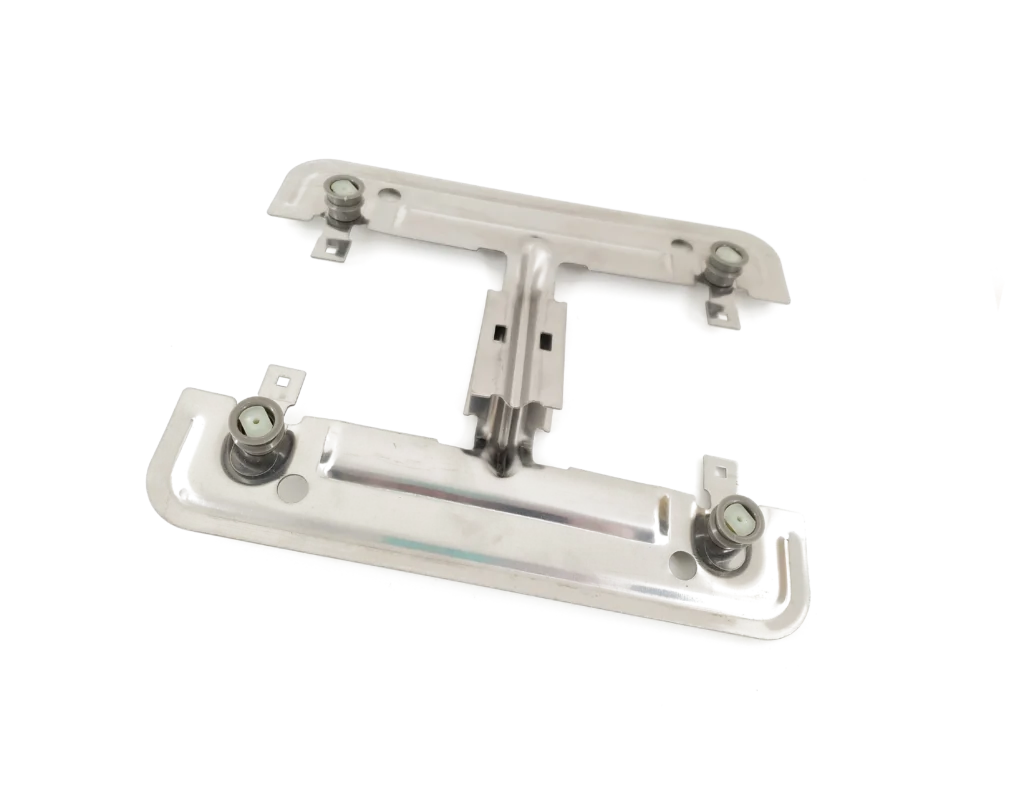
Most dishwasher upper rack adjusters on Whirlpool and KitchenAid models should last 8-10 years, but I've seen them fail in under three. The difference? How you load your dishes and whether you catch the early warning signs before a $15 part becomes a $200 repair call.
The W10350376 adjuster controls your upper rack's height position — critical for fitting those tall pots or wine glasses. When it fails, you'll know immediately because your rack either won't move at all or won't stay in position during the wash cycle.
How Long Should It Last?
Under normal use, this adjuster should give you 8-10 years. I've seen units in homes with soft water and moderate use hit 12 years. But if you're constantly adjusting the rack position, loading overweight dishes, or dealing with hard water buildup, you're looking at 4-6 years instead.
What kills these adjusters fastest? Forcing the rack when it's loaded too heavy. The plastic gears inside strip gradually, and once they're gone, you're shopping for W10350376.
Models like the KUDE20IXSS8 and KUDE40FXBL4 put extra stress on these adjusters because of their heavier-duty rack systems. If you've got a KitchenAid model from this generation, pay attention to how smooth the adjustment feels.
Signs It's Wearing Out
You won't wake up one morning to a completely failed adjuster. It'll give you plenty of warning — if you're paying attention.
Rack Won't Stay in Position
This is usually the first sign. You adjust the rack height before loading, but halfway through the cycle you hear rattling. Open the door and the rack has dropped back down. The adjuster's grip mechanism is wearing out, and it can't hold the weight anymore during the spray action.
Increased Resistance When Adjusting
If you find yourself pulling harder on the adjustment levers than you used to, mineral buildup is likely coating the moving parts. This extra friction accelerates wear on the plastic components. Don't force it — that's when you'll strip the internal gears completely.
Noisy Operation During Wash Cycle
A loose or failing adjuster creates vibration. You'll hear rattling or clicking sounds that weren't there before. This happens because the adjuster isn't holding the rack firmly in its track guides. That rattling means parts are slapping against each other, wearing down faster.
Rack Tilts or Sits Uneven
When one adjuster fails before the other (they usually come in pairs), your rack tilts. Dishes slide to one side, water doesn't drain properly, and you end up with that "not cleaning dishes properly" symptom that sends people searching for answers.
Daily and Monthly Maintenance That Actually Matters
Here's what'll add years to your adjuster's life. Nothing fancy, just consistent basics.
After Every Few Loads
Wipe down the rack rails with a damp cloth. You're removing food particles and detergent residue before they harden. Takes 20 seconds. Also, when loading, distribute weight evenly across the rack. Don't pile all your heavy bowls on one side — that puts uneven stress on the adjusters.
Monthly Deep Clean
Remove the upper rack completely. Mix equal parts white vinegar and water in a spray bottle. Spray the adjuster mechanisms and let it sit for five minutes. The vinegar dissolves mineral deposits without damaging plastic components.
Use an old toothbrush to scrub around the adjustment levers and any visible gears. Rinse with clean water. Before reinstalling, apply a tiny drop of food-grade silicone lubricant to the moving parts. Not WD-40 — you need something dishwasher-safe.
Every Six Months
Inspect the adjuster wheels for cracks or wear. These wheels ride in the rack tracks, and if they're damaged, the whole rack system suffers. Check that the adjustment levers click firmly into each position. If they feel mushy or don't click, that's your warning that internal parts are wearing.
When to Replace vs Maintain
Be honest with yourself here. If the adjuster mechanism is cracked, the gears are visibly stripped, or the rack drops during operation no matter how much you clean and lubricate — you need W10350376, not more maintenance.
One customer told me: "Part was exactly as needed but, with no instruction sheet, I had to hire a handyman to install." Don't let that be you. The replacement itself takes 15 minutes if you watch a video first. But maintenance? That can prevent the replacement entirely.
If your adjuster still holds position and adjusts smoothly but just feels a bit stiff, you're in the maintenance zone. Clean it, lubricate it, and check back in a month. If it's gotten worse, order the part. If it's the same or better, you've bought yourself another year or two.
What Shortens Lifespan (And How to Avoid It)
Hard water is enemy number one. If you've got it, run a dishwasher cleaner monthly and consider a whole-house water softener. The mineral buildup on these plastic adjusters is relentless.
Overloading is enemy number two. Your dishwasher's upper rack has a weight limit — usually around 20-25 pounds. That's about what it sounds like when you load it. If you're cramming in cast iron pans or stacking three layers of dishes, you're asking for trouble.
Forcing the adjustment when the rack is loaded is enemy number three. Always adjust the rack height when it's empty or lightly loaded. Those plastic gears can't handle the combined stress of weight plus resistance.
Frequently Asked Questions
Can I replace just one adjuster or do I need both?
Technically you can replace just one, but I don't recommend it. If one failed, the other's not far behind — they've both endured the same conditions. Plus, having one new and one old creates uneven wear patterns. Replace them as a pair for best results.
Will using gel detergent instead of powder help my adjuster last longer?
Not directly, but gel detergent does rinse cleaner and leaves less residue buildup on moving parts. If you've been using powder in a hard water area, switching to gel might reduce the maintenance frequency you need. Pods work well too, just avoid the kind with excessive filler material.
My rack adjuster works but makes a clicking sound — is it about to fail?
Not necessarily. Clicking usually means debris in the track or dry plastic-on-plastic contact. Pull the rack out, clean the tracks thoroughly, clean the adjuster wheels, apply food-safe lubricant, and test again. If the clicking persists after cleaning, then yeah, you're probably 2-3 months from failure.
Element showing wear?
W10350376 · Replace before it fully fails