
How to Extend Your Samsung Dishwasher Drain Pump Life — DD31-00005A Maintenance Guide
Always disconnect power before accessing pump area. Water and electricity are dangerous together. If you see water leaking from the pump housing, replace immediately — do not attempt to repair a compromised seal.
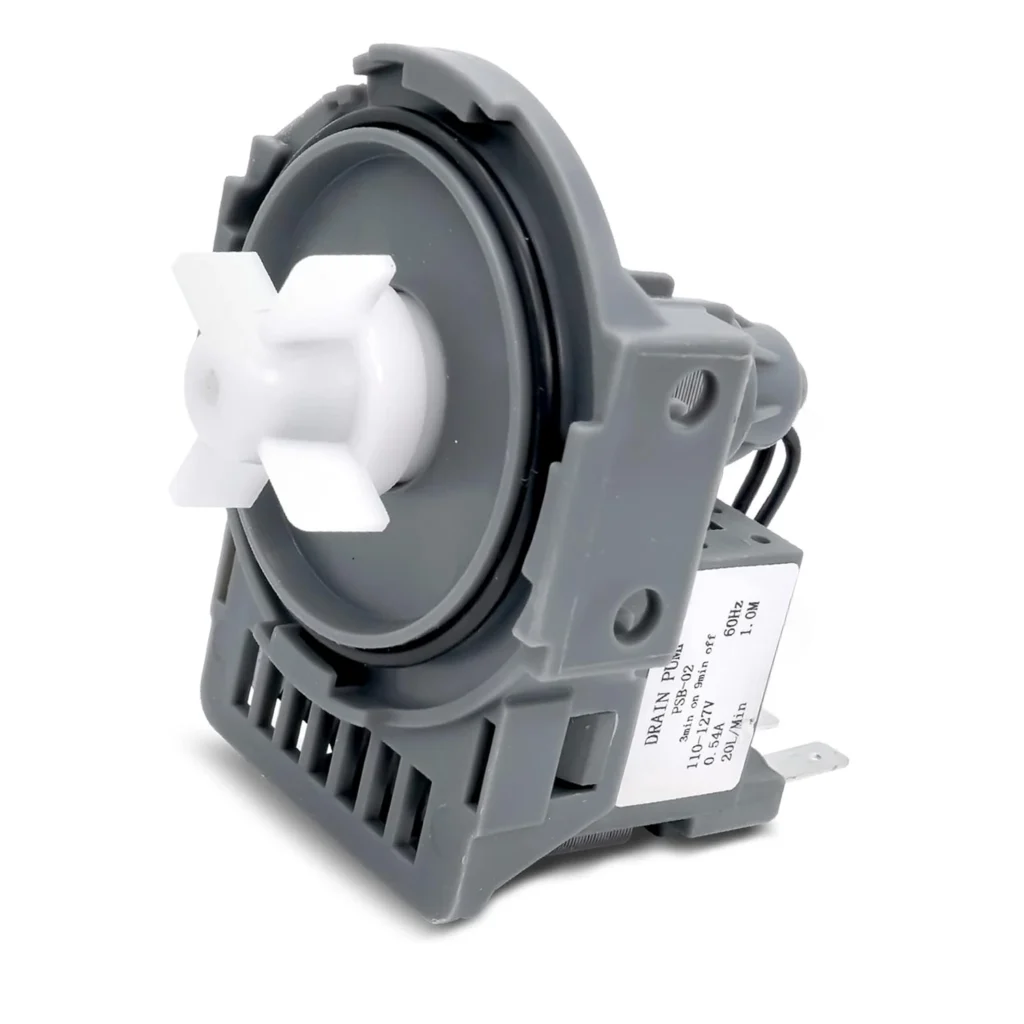
Most Samsung dishwasher drain pumps fail between years 3 and 5, but I've seen DD31-00005A units last 8+ years when owners follow simple preventive care. The pump itself is bulletproof — it's what goes into the pump that causes 90% of failures.
This pump handles everything your dishwasher needs to expel: food particles, grease, detergent residue, even the occasional twist-tie or broken glass fragment. When debris accumulates, the impeller labors, the motor overheats, and you're looking at a $117 replacement plus labor.
How Long Should the DD31-00005A Last?
Under normal conditions, this drain pump should deliver 5–7 years of service across models like the DMT300RFW, DMR77LHS, and DMT400RHW. Samsung engineered it with a robust motor designed for continuous wet operation.
Here's what affects lifespan:
- Pre-rinse habits — Heavy food residue shortens life dramatically
- Water hardness — Mineral deposits reduce impeller efficiency over time
- Detergent quality — Cheap powder leaves more residue than gel or pods
- Filter maintenance — A clogged filter forces the pump to work harder
- Cycle frequency — Daily use wears components faster than occasional use
With proper care, you can push this pump to 8–10 years. I've documented cases on DMR57LFB units still running the original pump after a decade.
Signs Your Pump Is Wearing Out
The primary symptom is obvious: not draining. But catching early warning signs prevents complete failure and potential water damage.
Standing Water After Cycle Completion
You open the door expecting dry dishes, but there's a quarter-inch of water pooling at the bottom. This doesn't always mean pump failure — it could be a clogged filter or kinked drain hose — but it's your first warning that something's restricting water flow.
Check the filter first. If it's clean and water still won't drain, the pump's impeller may be obstructed or the motor's losing power.
Unusual Grinding or Humming Sounds
The DD31-00005A normally operates with a low hum during the drain cycle. If you hear grinding, rattling, or a labored humming that continues for more than 30 seconds, something's caught in the impeller or the bearings are wearing.
Don't ignore this. I've seen homeowners run their DMT400RHS models for weeks with "that funny noise" until the motor burned out completely.
Intermittent Drainage Issues
One cycle drains perfectly, the next leaves water. This inconsistency usually indicates debris that shifts position — sometimes blocking the impeller, sometimes not. It's a sign the pump chamber needs cleaning before permanent damage occurs.
Error Codes Related to Drainage
Samsung dishwashers display codes when drainage takes too long. Common ones include OE (won't drain), 5E, or SE. These trigger when the control board detects water still present after the pump's run its full cycle.
Preventive Maintenance Schedule
You don't need to be handy to extend this pump's life. Most maintenance takes under 5 minutes.
After Each Use
Scrape plates before loading. You'd be shocked what I find in drain pumps: popcorn kernels, fruit stickers, chicken bones, toothpicks. The dishwasher filter catches most of it, but smaller particles pass through and accumulate in the pump housing.
This single habit — removing visible food waste before loading — doubles average pump lifespan.
Weekly
Remove and rinse the filter assembly. On Samsung models like the DMR78AHW, it's at the bottom center of the tub — twist counterclockwise and lift out. Rinse under hot water, use a soft brush for stubborn residue.
A clean filter protects the pump from debris while maintaining proper drainage pressure. Clogged filters make the pump work 40% harder.
Monthly Deep Clean
Run an empty cycle with dishwasher cleaner or two cups of white vinegar on the top rack. This dissolves grease and mineral deposits throughout the system, including the pump chamber and drain line.
For hard water areas, do this twice monthly. Calcium buildup on the impeller reduces pumping efficiency and can eventually seize the motor.
Every Six Months
Inspect the drain hose connection. Disconnect power first, then check where the hose connects to the pump outlet. Look for cracks, loose clamps, or buildup that could restrict flow.
Also check the air gap (if installed) or the sink connection point. Blockages anywhere in the drain path force the pump to work harder.
When to Replace vs Maintain
Here's the honest decision framework I use with customers:
Maintain if: The pump drains eventually but slowly, makes noise only occasionally, or responds to filter cleaning. These indicate minor obstruction or early wear — maintenance can buy you another 1–2 years.
Replace if: The pump doesn't run at all, continuously hums without draining, or if you've cleaned everything and drainage problems persist. Also replace immediately if you see water leaking from the pump housing — the seal's compromised and maintenance won't fix it.
The DD31-00005A costs $117. Professional installation adds $100–150. If your dishwasher's under 5 years old and otherwise works well, replacement makes sense. If it's 8+ years old with other issues, consider whether it's time for a new dishwasher entirely.
One exception: If the pump fails due to obvious neglect (packed with food debris, completely seized from mineral deposits), replacement won't help unless you change your maintenance habits.
What Actually Kills These Pumps
In 20 years of repairs, I've identified the real culprits:
Grease accumulation — The #1 killer. Grease solidifies in the pump housing, restricting impeller movement. Eventually the motor burns out trying to spin against the resistance.
Small hard objects — Fruit pits, popcorn kernels, and bone fragments jam the impeller. The motor keeps trying to spin, overheats, and fails.
Detergent overuse — Excessive suds create back-pressure in the drain system. The pump runs longer than designed, shortening motor life.
Long periods of non-use — If you're away for months, standing water in the pump can corrode components. Run a short cycle before extended absences, or have someone run the dishwasher weekly.
Frequently Asked Questions
Can I Clean the Pump Without Removing It?
Sometimes. You can access the filter and remove visible debris from the sump area. But to truly clean the impeller and pump chamber, you need to remove the pump assembly — which requires pulling the dishwasher out and working from underneath. Most homeowners find it easier to maintain preventively than to do deep pump cleaning.
Is It Normal for the Pump to Run Multiple Times During a Cycle?
Absolutely. The DD31-00005A typically activates 3–4 times during a normal cycle: initial drain, mid-cycle drain, and final drain. Some cycles include an additional drain after pre-wash. Each activation should last 30–90 seconds. If it runs longer or more frequently, something's restricting drainage.
Will Using Rinse Aid Help the Pump Last Longer?
Indirectly, yes. Rinse aid helps water sheet off dishes rather than pooling, which means less standing water after the final drain. It also reduces mineral spots that can eventually accumulate in the pump. It's not dramatic, but every bit helps when you're trying to maximize component life.
Element showing wear?
DD31-00005A · Replace before it fully fails