
How to Extend Your AC Hard Start Kit Life — SPP6 Maintenance Guide
Always disconnect power at the breaker and discharge the capacitor before touching any hard start kit terminals. Capacitors store lethal voltage even when power is off.
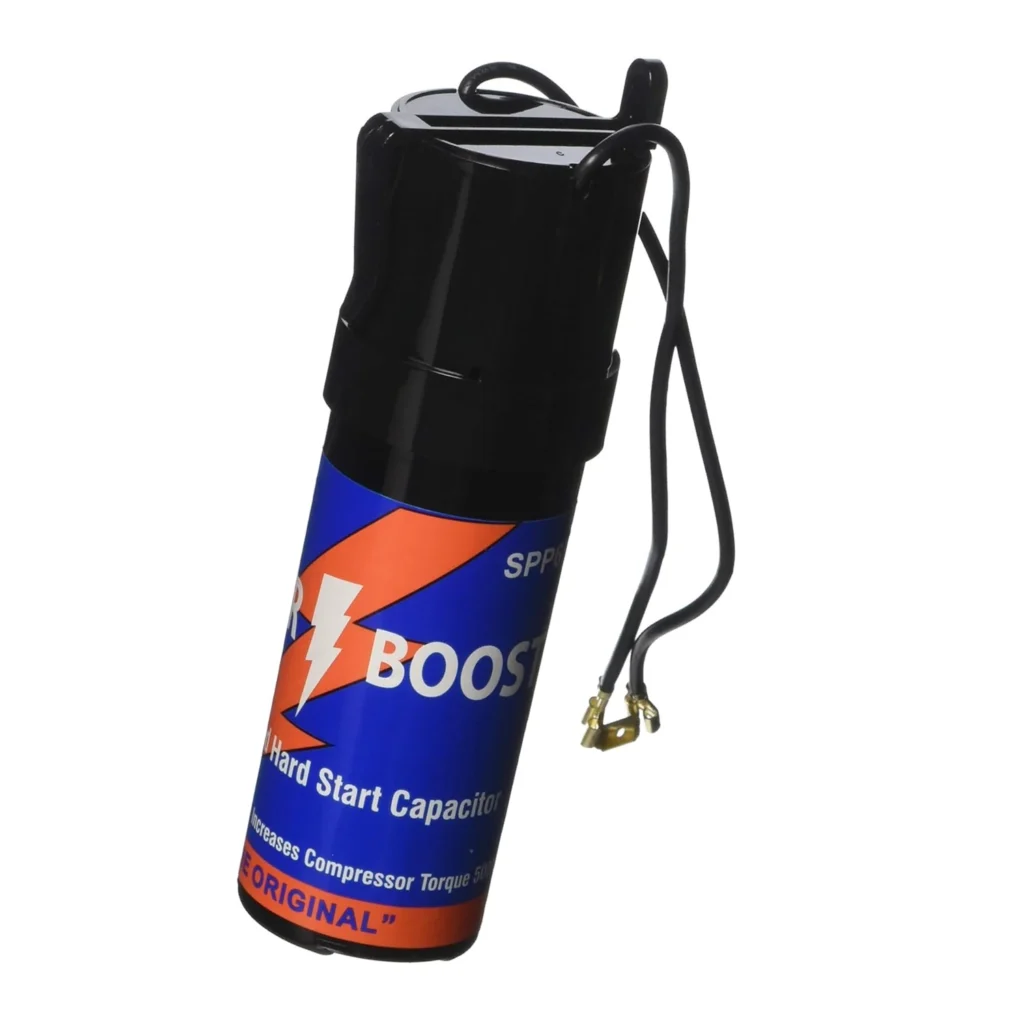
Most HVAC techs will tell you a hard start kit either works or it doesn't — there's not much middle ground. But here's what they don't always mention: the SPP6 hard start kit in your Carrier, Goodman, Trane, or Rheem system should last 10-15 years, yet most homeowners replace them around year 7. The difference? Knowing what kills these components early and how to spot problems before your compressor pays the price.
If you've got a GSX160361, XR15, 24ABC636A003, or any of the other compatible models listed for the SPP6, you're dealing with a potential start capacitor that takes the hardest electrical hit in your entire HVAC system. Every single compressor startup sends a massive surge through this kit — and over time, that adds up.
How Long Should It Last?
A quality hard start kit like the SPP6 (which replaces TJ90HS6, AP4502872, 35702, and others) is rated for approximately 10-15 years under normal operating conditions. But "normal" is doing a lot of work in that sentence.
Here's what actually affects lifespan:
- Startup frequency: If your AC short-cycles or you're constantly adjusting the thermostat, you're burning through start attempts. Each one stresses the capacitor.
- Voltage fluctuations: Brown-outs, power surges, or unstable grid power can damage internal components without triggering obvious failure signs.
- Heat exposure: These kits sit right next to your compressor. Temperatures exceeding 150°F accelerate capacitor degradation significantly.
- Moisture intrusion: Even minor condensation inside the housing can cause corrosion on terminals and weaken the dielectric.
With proper maintenance and ideal conditions, you can push a hard start kit to its full 15-year potential. Without it? You're looking at 5-7 years, sometimes less.
Signs It's Wearing Out
Hard start kits don't usually give you much warning before they fail completely, but there are telltale signs if you know what to listen for. Here's what to watch for on your SPP6-equipped system:
Compressor Struggles to Start
You'll hear a humming sound when the thermostat calls for cooling, but the compressor doesn't kick on right away. It might try once, twice, then finally start on the third attempt. This is the hard start kit losing its ability to provide that initial electrical boost. Don't ignore this — it's forcing your compressor to work harder, which shortens its life too.
Clicking Followed by Nothing
The relay clicks, the contactor pulls in, but the compressor stays silent. Wait 5 minutes, and suddenly it works fine. This intermittent behavior usually means the start capacitor inside the SPP6 is weakening. It can still provide a boost when it's had time to recover, but not on-demand like it should.
Breaker Trips on Startup
If your outdoor unit's breaker trips specifically during the startup phase (not while running), the hard start kit might be shorting internally. This forces the compressor to draw locked-rotor amperage without assistance, which can exceed breaker ratings. This one requires immediate attention — don't keep resetting the breaker.
Burning Smell Near Outdoor Unit
A faint electrical burning smell near the condensing unit during startup often points to overheating components. The start capacitor or potential relay in the SPP6 might be failing. This smell is different from the hot metal smell of a normal compressor — it's more chemical, like burning plastic or rubber.
When to Replace vs Maintain
Here's the honest truth: hard start kits aren't really "maintainable" in the traditional sense. You can't clean them, lubricate them, or rebuild them. But you can absolutely monitor them and catch problems early.
Replace when:
- Any of the symptoms above appear consistently
- The kit is over 10 years old and you're experiencing any startup issues
- You're replacing the compressor (always install a new hard start kit with a new compressor)
- Visual inspection shows burnt terminals, bulging capacitor, or cracked housing
- Your system has survived a lightning strike or major power surge
Continue monitoring when:
- The system starts smoothly every time
- No unusual sounds during startup
- The kit is less than 8 years old with no symptoms
- Annual inspection shows clean terminals and solid mounting
The SPP6 costs $20.99 — that's cheap insurance compared to a $1,500+ compressor replacement. When in doubt, replace it. The labor to swap it during your annual maintenance is minimal since the tech is already at your outdoor unit.
Preventive Maintenance Schedule
While you can't service the hard start kit itself, you can protect it from the environmental factors that kill it early. Here's what actually makes a difference:
During annual AC tune-up (every spring): Have your HVAC tech check the hard start kit terminals for corrosion, verify the mounting bracket is secure, and confirm proper capacitor readings with a multimeter. This takes them 90 seconds and can prevent mid-summer failures.
After severe weather events: If your area experienced lightning, check that the outdoor unit still starts normally. Hard start kits can fail from electrical surges even when the main components seem fine. Better to discover this in May than July.
Monthly during cooling season: Stand next to your outdoor unit during startup. Learn what "normal" sounds like. Any change in the startup sequence — longer delay, different sound, multiple attempts — deserves attention.
Every 5 years: Consider proactive replacement if you're keeping this system long-term. The SPP6 is compatible with Goodman GSX160361, Carrier 24ABC636A003, Trane XR15, Rheem RA1430AJ1NA, and dozens of other models. It's universal enough that buying one as a spare isn't a bad idea.
Frequently Asked Questions
Can I test a hard start kit myself without removing it?
Not safely or accurately. While you can listen for symptoms, properly testing the SPP6 requires disconnecting power, discharging the capacitor, and using a multimeter to check capacitance values. One mistake here can result in a serious shock. If you suspect problems, call a tech — the service call is cheaper than an ER visit.
Will a failing hard start kit damage my compressor?
Yes, potentially. When the hard start kit stops working, your compressor has to start under full load without assistance. This increases starting amps dramatically, overheats windings, and can lead to premature compressor failure. The extra stress on each start adds up quickly. This is why you don't ignore startup symptoms — that $20.99 part protects your $1,500 compressor.
Do all AC systems need a hard start kit?
No, but many benefit from one — especially older systems, units operating in extreme temperatures, or compressors showing hard-starting symptoms. The SPP6 is often added to systems that didn't originally have one to reduce startup stress and extend compressor life. If your Trane 4TTR3036 or York LX Series is struggling to start, adding an SPP6 can solve the problem without replacing the compressor.
Element showing wear?
SPP6 · Replace before it fully fails