
How to Extend Your Maytag Dryer Lint Filter Life — Maintenance Guide for 33001808
Never run your dryer without the lint filter installed. A missing or damaged filter allows lint to accumulate in the dryer cabinet and exhaust system, creating a serious fire hazard. If you notice any tears, cracks, or warping, replace the filter immediately before using the dryer again.
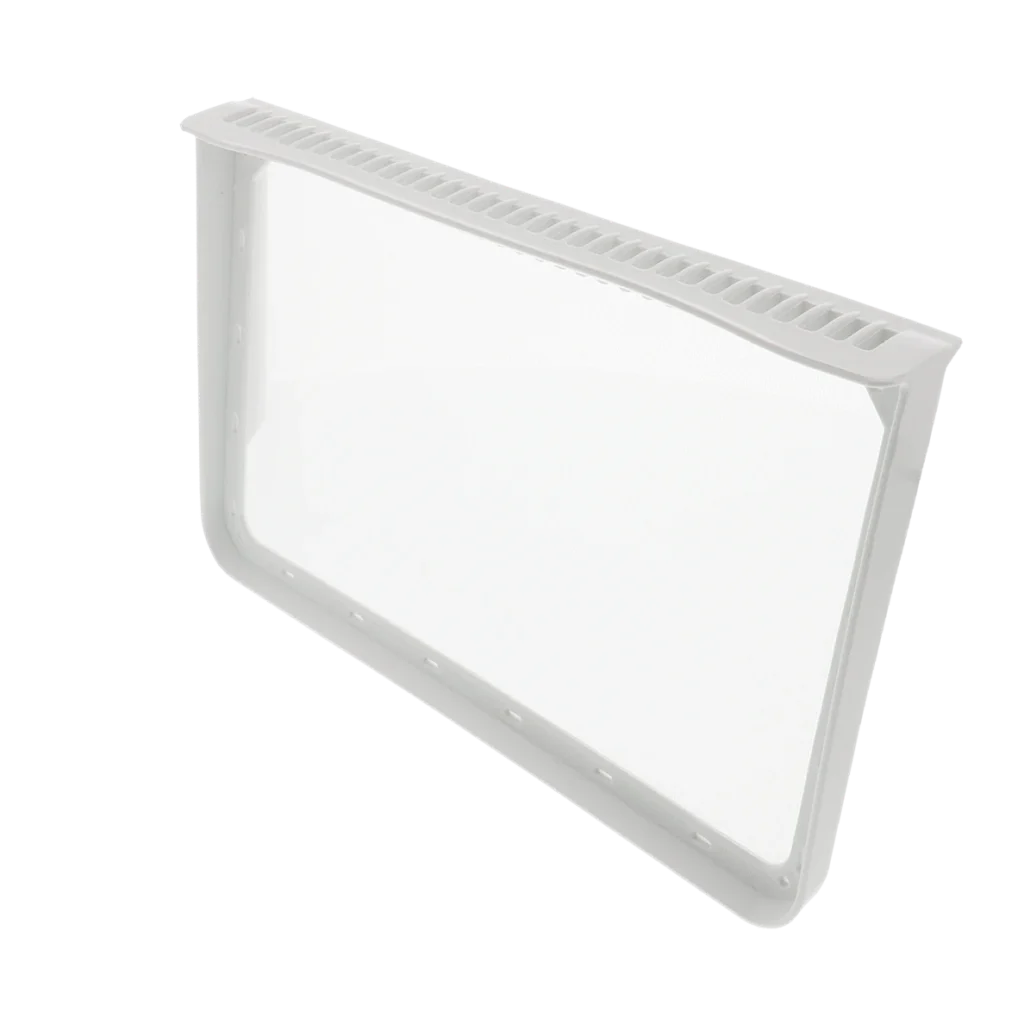
Here's something most people don't realize: a lint filter that should last 5-7 years often gets replaced within 2-3 years. The problem isn't the filter itself—it's how we treat it. I've seen countless Maytag dryers (models like MDE9206AYW, MDG5500AWW, and MDE7600AYW) running with lint filters that are cracked, clouded, or so clogged that the dryer takes three cycles to dry one load.
The 33001808 lint filter isn't just a screen—it's your dryer's first line of defense against fire hazards and poor performance. When it fails, you're looking at longer dry times, higher energy bills, and potentially dangerous vent clogs. Let's talk about how to make yours last as long as possible.
How Long Should It Last?
Under normal conditions, the 33001808 lint filter should give you 5-7 years of reliable service. But here's the catch: most people unknowingly cut that lifespan in half.
What affects longevity? Three main factors: how often you clean it (after every single load, not just when you remember), what products you're drying (fabric softener sheets are the enemy), and how you clean it. If you're just brushing off the visible lint and calling it good, you're only doing half the job.
With proper care—meaning weekly deep cleaning and avoiding fabric softener buildup—you can push that to 7-10 years. I've personally seen filters in commercial laundromats that outlast residential ones simply because they're maintained on a schedule.
Signs It's Wearing Out
Don't wait for complete failure. Your lint filter will give you plenty of warning signs if you know what to look for.
Visible Tears or Cracks in the Mesh
This is the most obvious sign, but it's not always dramatic. Sometimes it starts as a tiny hole near the edge where you grip the filter. That small tear quickly becomes a larger rip once it starts catching lint unevenly. Run your finger gently across the mesh—if you feel any rough spots or catches, inspect closely. Once the mesh is compromised, lint escapes into your dryer's internal components.
Cloudy or Filmed-Over Screen
Hold your filter up to a light. Can you see through it clearly? If the mesh looks hazy or has a waxy coating, that's fabric softener residue. This coating restricts airflow just as badly as lint buildup. When airflow drops, your dryer works harder, runs longer, and ages faster. This clouding also makes the plastic frame more brittle over time.
Frame Warping or Brittleness
The plastic frame should be rigid and straight. If it's warped, cracked at the corners, or feels brittle when you handle it, heat damage has occurred. This usually means the filter wasn't seated properly during cycles, or your dryer's been running hot due to poor ventilation. A warped frame won't seal properly in the housing, allowing lint to bypass the filter entirely.
When to Replace vs Maintain
Here's the honest truth: if your filter has any tears, cracks, or frame damage, replace it immediately. This isn't a "wait and see" situation. A compromised filter lets lint into the dryer cabinet and exhaust system, creating a fire hazard. The 33001808 replacement costs $40.99—a house fire costs considerably more.
But if your filter is structurally intact and just needs better care? You can absolutely extend its life with the right routine. The key is consistency.
One customer told us: "I ordered the replacement part from Appliance Parts Pros. It arrived a few days later. A helpful video on YouTube showed me how to do it. The baffle was replaced in approx. 1/2 hour." The installation takes 15-30 minutes max, and you don't need special skills—just basic hand tools.
Replace when you see structural damage. Maintain aggressively when you don't.
Frequently Asked Questions
How often should I deep clean my lint filter beyond the daily brush-off?
Once a week minimum, more if you use fabric softener sheets. Take the filter to your sink, run hot water through it from both sides, and use a soft brush with dish soap to remove the invisible film. Rinse thoroughly and let it air dry completely before reinstalling. This simple step can double your filter's lifespan.
Can I use fabric softener products with this lint filter?
You can, but it significantly shortens filter life. Fabric softener—both liquid in the washer and dryer sheets—leaves a waxy residue that clogs the mesh over time. If you must use softener, increase your deep cleaning frequency to twice weekly and consider switching to wool dryer balls as an alternative.
My dryer takes forever to dry clothes but the lint filter looks clean—what's wrong?
Your filter probably has invisible buildup restricting airflow. Do the water test: run water through the filter. If it pools instead of flowing straight through, there's fabric softener film blocking the mesh. Clean it with hot water and dish soap, scrubbing gently with a soft brush. If that doesn't help, check your dryer vent system—the problem might be downstream.
Element showing wear?
33001808 · Replace before it fully fails