
How to Extend Your Bosch Dishwasher Micro Pump Filter Life — Maintenance Guide
Always disconnect power before removing filter housing. Never force the filter if it's stuck—mineral buildup can cause threads to seize. Use penetrating oil and wait 10 minutes rather than risk cracking the housing.
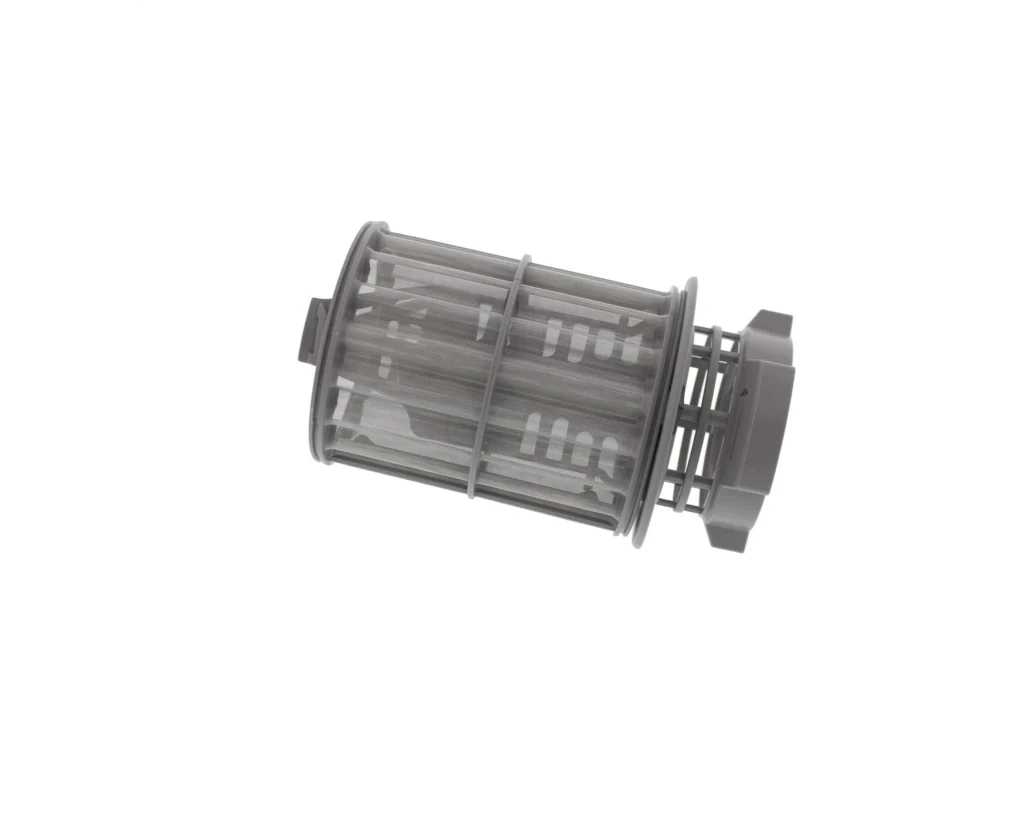
Most Bosch micro pump filters (part 00645038) fail between year 3 and 5, but that's not because they're poorly made. It's because food debris, hard water minerals, and detergent residue slowly choke them out. I've seen these filters last 8+ years when owners know what to look for and take action before damage becomes permanent.
This guide walks you through the specific maintenance steps that'll keep your SHX3AR55UC, SHE3AR76UC, SHX4AP02UC, or any compatible Bosch, Thermador, or Gaggenau model running strong. We're talking real-world prevention, not just "clean it sometimes."
How Long Should It Last?
Under normal conditions, the 00645038 micro pump filter should give you 4–6 years of reliable service. That's based on running 5–7 cycles per week with standard detergent and moderately hard water.
But here's what affects that lifespan:
- Water hardness: Mineral buildup above 180 ppm can cut life in half
- Pre-rinsing habits: Large food particles accelerate wear on the micro mesh
- Detergent type: Powder detergents leave more residue than gels or pods
- Cycle selection: Heavy cycles with extended wash times put more strain on the filter
- Cleaning frequency: Filters checked monthly last 40–60% longer than neglected ones
With proper care, you can push that lifespan to 7–9 years. The filter itself costs $31.99, but the labor to replace it (if you're paying someone) runs $120–180. Monthly maintenance takes 3 minutes.
Signs It's Wearing Out
The micro pump filter doesn't usually fail suddenly. It degrades gradually, giving you plenty of warning signs if you know what to watch for. Here's what I see most often in my repair calls:
Dishes Come Out with Gritty Residue
When the filter mesh starts breaking down or clogging, it can't trap particles effectively. You'll notice a fine sandy texture on glassware, especially on the bottom rack. This happens because debris that should be filtered is being recirculated through the spray arms. If you're wiping down supposedly clean dishes, check the filter immediately.
Water Pools at the Bottom After Cycle Ends
A clogged or damaged micro pump filter restricts drainage flow. Instead of the tub being completely dry, you'll see 1/4 to 1/2 inch of standing water around the filter housing. This isn't just annoying—that stagnant water breeds bacteria and creates the musty smell everyone complains about. The pump motor also has to work harder, shortening its life too.
Unusual Grinding or Rattling During Wash
If the filter housing develops cracks or the mesh separates from the frame, small objects can get past it and hit the pump impeller. You'll hear a distinct grinding, clicking, or rattling sound during the wash cycle—usually most noticeable during the main wash and final rinse. This is your "check it now" warning before something more expensive breaks.
Error Codes Related to Drainage or Flow
Models like the SHX3AR55UC/06 and SHE4AM15UC/02 will throw drainage error codes when the filter restricts flow too much. Common codes include E24, E25, or F25 on the display. The machine's trying to tell you the pump filter system needs attention before the pump itself burns out.
Monthly Maintenance Schedule
Here's the routine that keeps this $32 part working for nearly a decade:
After Each Use (10 seconds)
Open the door and do a quick visual check of the visible filter screen at the bottom. If you see any large debris—bones, toothpicks, bottle caps—remove them immediately. These objects jam against the micro filter and cause cracks.
Every 2 Weeks (3 minutes)
Pull out the lower dish rack. Remove the cylindrical filter assembly by turning it counterclockwise and lifting. Rinse it under hot tap water while using a soft brush to dislodge any buildup in the mesh. Pay special attention to the center micro filter screen—this is where minerals accumulate. If you see white crusty deposits, soak the filter in a 50/50 white vinegar and water solution for 15 minutes, then rinse.
Monthly Deep Clean (8 minutes)
Remove the filter assembly completely. Use a toothbrush with soft bristles to clean the fine mesh from both sides. Check the filter housing (the recessed area where the filter sits) for debris and wipe it clean with a damp cloth. Inspect the rubber gasket around the filter base—if it's cracked or stiff, that's a separate part you'll need to replace. Reassemble and run an empty cycle with 2 cups of white vinegar on the bottom rack to flush the system.
Every 6 Months (15 minutes)
In addition to your monthly clean, inspect for wear patterns. Look for:
- Cracks in the plastic housing (especially around the threads)
- Mesh separation from the frame
- Discoloration or warping from heat exposure
- Calcium buildup that won't dissolve with vinegar (means you need stronger descaling)
If you have hard water (test it if you don't know), run a dishwasher cleaner specifically formulated for mineral removal. I recommend Affresh or Finish brand—they're more effective than vinegar alone for heavy buildup.
When to Replace vs Maintain
Here's the honest answer: some damage can't be reversed. Replace the filter immediately if you see:
- Visible cracks or breaks in the housing or mesh frame
- Mesh pulling away from the plastic frame at any point
- Persistent odors that don't clear after deep cleaning (bacteria have colonized cracks)
- Warping or melting from exposure to extreme heat
- Rust or corrosion on metal components (rare but possible)
Maintenance works when the filter is structurally sound but accumulating normal use buildup. If you're cleaning monthly and still seeing poor performance, the filter's likely compromised internally where you can't see.
The 00645038 filter works with dozens of Bosch models (SHX3AR52UC, SHE3AR72UC, SHX4AP05UC, SHX4AT55UC, and many more), plus Thermador and Gaggenau dishwashers using the same pump assembly. Stock one as a backup if your dishwasher is over 4 years old—availability can be spotty during peak repair seasons.
Hard Water Special Considerations
If your water tests above 150 ppm hardness, standard maintenance won't cut it. Add these steps:
- Use a rinse aid religiously—it helps prevent mineral adhesion to the filter mesh
- Run a citric acid descaling cycle every 3 months (2 tablespoons in detergent cup, hot cycle)
- Consider installing a whole-house water softener if you're replacing filters every 2–3 years
- Inspect the spray arms for clogs monthly—hard water affects them too, compounding filter stress
What Damages These Filters Fastest
After fixing hundreds of Bosch dishwashers, I can tell you the top killers:
Broken glass or dish fragments: These slash through the micro mesh like razor blades. Always do a visual sweep after loading.
High-temp sanitize cycles with mineral buildup: The combination of 160°F+ water and calcium creates a concrete-like deposit that's nearly impossible to remove without damaging the mesh.
Running cycles with too much detergent: Excess suds leave residue that accumulates in the fine mesh pores. Use the amount recommended for your water hardness, not the package maximum.
Letting the dishwasher sit unused for weeks: Water evaporates, leaving concentrated minerals behind. If you're away, run a rinse cycle before you leave and when you return.
Frequently Asked Questions
Can I Clean the Micro Pump Filter in the Dishwasher Itself?
No. The filter needs manual cleaning with a brush to be effective. Running a cycle with the filter in place doesn't generate enough targeted pressure to clean the micro mesh. Hand cleaning takes 3 minutes—there's no shortcut that actually works.
How Do I Know If My Filter Housing Is Also Damaged?
Remove the filter and shine a flashlight into the housing cavity. Look for cracks in the plastic, especially around the drain opening. Run your finger along the surfaces—if you feel sharp edges or rough spots, the housing may have stress fractures. Also check if the filter seats firmly when you reinstall it. Any wobbling means the threads or locking tabs are worn.
Will Using Dishwasher Cleaner Products Damage the Filter?
Quality dishwasher cleaners (Affresh, Finish, Lemi Shine) won't damage the 00645038 filter when used as directed. Avoid using bleach or harsh drain cleaners—these can degrade the plastic housing and rubber seals. Stick with products specifically labeled for dishwashers, and you're safe to use them monthly.
Element showing wear?
00645038 · Replace before it fully fails