
How to Extend Your LG Washer Door Lock Life — EBF61315801 Maintenance Guide
Never force the door open when locked. If the door won't open after a cycle, unplug the washer for 5 minutes to reset the lock. Forcing it can break the strike plate mounting points or bend the door frame.
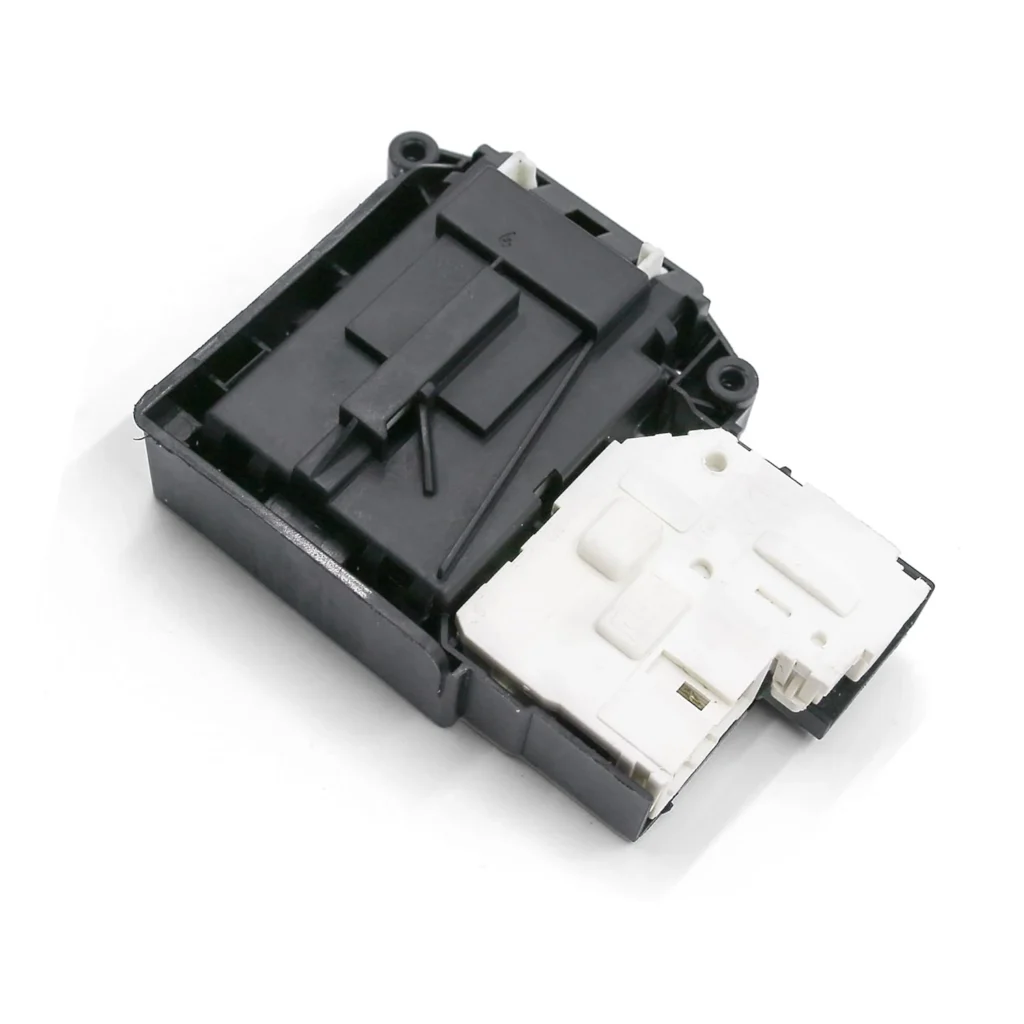
Your LG washer door lock assembly (EBF61315801) should last 7-10 years with proper care, but most homeowners replace them after just 4-5 years. The difference? How you treat your washer door every single day.
I've replaced hundreds of these door lock assemblies in models like the WM2250CW, WM2501HVA, and WM3001HWA. Most failures aren't manufacturing defects—they're wear-and-tear from habits nobody thinks twice about.
How Long Should It Last?
The EBF61315801 door lock switch assembly is rated for approximately 25,000 cycles. If you're doing 8 loads per week, that's about 8 years of service life under ideal conditions.
Here's what affects lifespan:
- Door slamming: Each hard close puts stress on the latch mechanism and can misalign the strike plate
- Detergent residue: HE detergent buildup around the door gasket forces the lock to work harder
- Incomplete cycles: Repeatedly stopping mid-cycle and forcing the door open strains the solenoid
- Power surges: The electronic components are sensitive to voltage spikes
- Humidity exposure: Keeping the door closed between loads traps moisture against electrical contacts
The lock assembly contains both mechanical latching components and electronic switches. The mechanical parts typically outlast the electronics—I've seen latches that still engage perfectly even though the switch contacts have corroded.
Signs It's Wearing Out
Door lock failures rarely happen overnight. Your washer will give you warnings weeks or even months in advance if you know what to watch for.
The Door Won't Lock at All
You press start, hear a clicking sound, but the washer won't begin the cycle. The door feels loose when you pull on it. This usually means the solenoid that drives the lock pin is failing or the lock pin itself is stuck. Sometimes it's intermittent—works fine for three loads, then refuses to lock on the fourth.
Error Codes Appear (dE, dE1, or dE2)
Your LG displays a door error code even though the door appears closed. The dE code specifically indicates the control board isn't receiving a signal from the door lock switch. The lock mechanism might be engaging, but the switch contacts aren't closing properly to tell the board it's safe to fill with water.
You Hear Repeated Clicking or Buzzing
The lock tries to engage over and over—click-click-click-click—but never fully latches. This grinding or buzzing sound means the solenoid is getting power but can't complete its travel. Often caused by detergent buildup on the lock pin or a weak solenoid that's lost magnetic strength.
The Door Stays Locked After the Cycle
Your wash finishes but the door won't open for 5, 10, or even 30 minutes. The lock mechanism isn't releasing properly. This is often an early sign that the bimetallic release strip is wearing out or the return spring has weakened. Eventually, you'll need to manually release it every single time.
Burning Smell Near the Door
You notice a hot plastic or electrical smell around the door area during or after a cycle. This is serious—it means the lock solenoid is overheating, usually from trying repeatedly to engage against resistance. This can damage the wiring harness and is a fire risk if ignored.
When to Replace vs Maintain
Here's the honest truth: once a door lock assembly starts showing symptoms, maintenance usually won't fix it. These are sealed units—you can't repair the solenoid or replace internal switches.
Replace immediately if:
- You see burn marks or melted plastic around the lock
- The lock won't engage at all and you've already cleaned around it
- You're getting consistent dE error codes after checking the door gasket and strike plate alignment
- The door stays locked for more than 10 minutes after every cycle
Maintain and monitor if:
- The lock works but sometimes takes 2-3 tries to engage
- You're hearing occasional clicking but cycles still complete
- The door opens but feels sticky or requires extra pull force
The EBF61315801 assembly costs between $45-75, and replacement takes about 30 minutes if you're handy. Compare that to a service call at $150-200 minimum. If you're seeing early warning signs, order the part now and have it ready. Don't wait until the washer completely quits on you the night before a vacation.
One more thing: if your washer is over 10 years old and the door lock fails, check the door strike plate and hinges too. Often all three wear together, and replacing just the lock won't solve alignment issues that caused it to fail in the first place.
Frequently Asked Questions
Can I clean the door lock assembly to make it last longer?
You can't really clean the internal components since they're sealed, but you can clean around the lock. Once a month, wipe down the area where the lock engages with a damp cloth. Remove any detergent residue or lint buildup around the strike plate on the door frame. If you see white crusty buildup, use a 50/50 vinegar solution to dissolve it. This prevents the lock from having to work against sticky resistance.
Why does my door lock sometimes work and sometimes doesn't?
Intermittent failures usually point to corroded electrical contacts inside the switch portion of the assembly. Temperature and humidity affect how well corroded contacts make connection—it might work when cold and fail when warm, or vice versa. This is a sign the assembly is near end-of-life. You can sometimes buy a few more weeks by making sure the door closes firmly and completely before starting a cycle, but replacement is coming soon.
Will using the steam cycle damage my door lock faster?
Steam cycles do expose the lock assembly to more heat and moisture, but they shouldn't cause premature failure if you're leaving the door ajar between loads. The real issue is keeping the door closed 24/7 in a humid laundry room—moisture condenses on the metal components and accelerates corrosion. After any steam cycle, prop the door open for at least an hour to let everything dry out completely. I've seen door locks in steam-equipped washers last just as long as regular models when owners follow this simple habit.
Element showing wear?
EBF61315801 · Replace before it fully fails