
How to Extend Your Samsung Center Tub Oil Seal Life — DC62-00223A Maintenance Guide
Unplug the appliance before inspecting or servicing internal components. Wear work gloves to protect your hands from sharp cabinet edges.
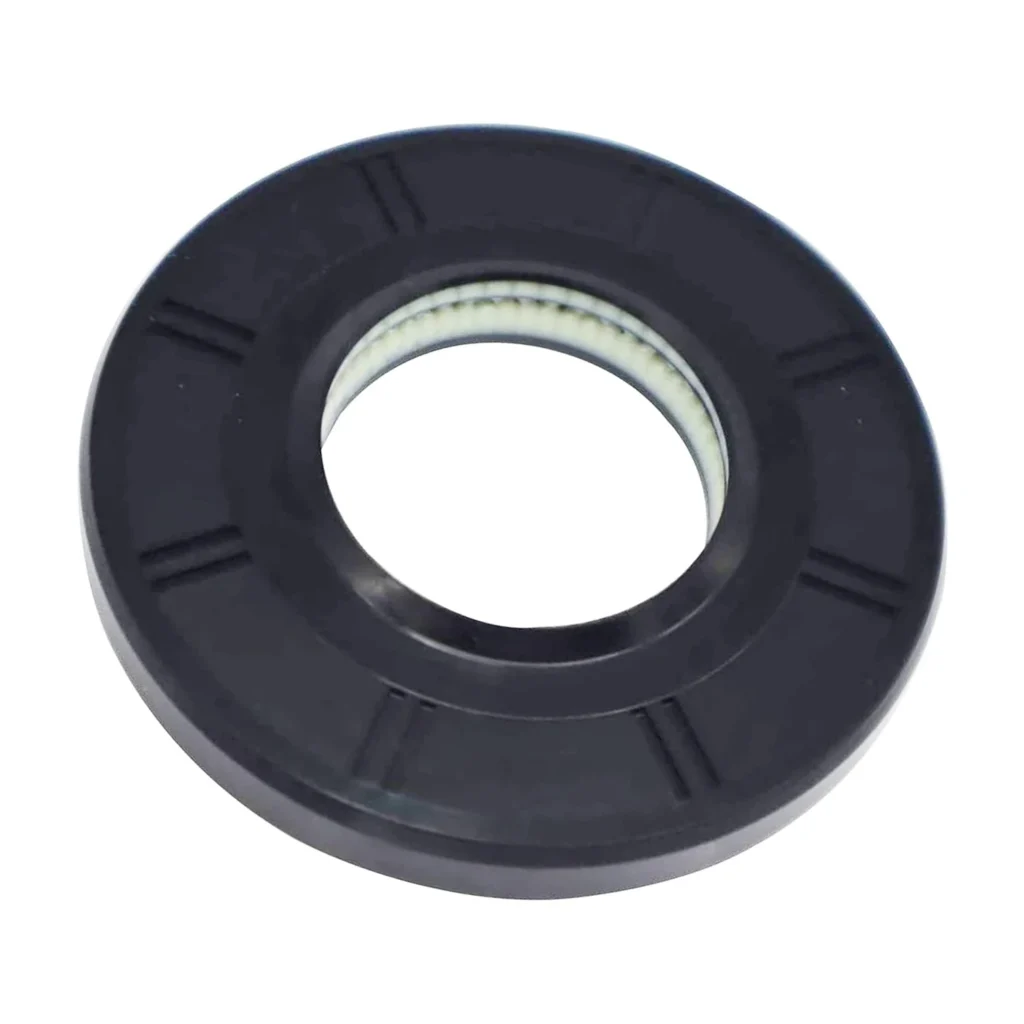
Most Samsung front-load washer owners don't think about their center tub oil seal until water starts pooling under the machine. Here's the reality: this $39 seal should last 8-10 years, but I've seen them fail in as little as 3 years when laundry habits work against them. The DC62-00223A sits at the intersection of your washer's tub and the transmission shaft — a critical spot that handles every spin cycle you run.
The good news? You can significantly extend this seal's lifespan without any special tools or technical knowledge. Let's talk about what actually wears it out and how to prevent it.
How Long Should Your Center Tub Seal Last?
Samsung designs the DC62-00223A to last between 8-10 years under normal use conditions. That's roughly 2,500-3,000 wash cycles if you're running 6-7 loads per week.
But here's what kills them early:
- Overloading — Stuffing the drum beyond capacity puts excessive pressure on the seal during spin cycles
- Hard water mineral buildup — Creates an abrasive surface that grinds against the rubber
- Detergent residue accumulation — Acts like sandpaper on the seal material
- Running the washer off-balance — Causes the tub to wobble excessively, wearing the seal unevenly
With proper maintenance, you can push this seal to 12-15 years. I've seen it done on models like the 592-49032 and WF42H5000AW that get used hard but maintained well.
Signs Your Seal Is Wearing Out
The center tub seal fails gradually, not suddenly. You'll get warning signs if you know what to look for:
Water Leaking From the Bottom of the Washer
This is the most obvious sign. You'll notice water pooling under the machine after wash cycles — not during fill, but during or after the spin cycle when the tub is rotating at high speed. The leak might be intermittent at first, showing up only on heavy loads or high-spin cycles.
Rust Stains or Water Marks on the Floor
Even before you see active leaking, you might notice rust-colored spots or mineral deposits on the floor beneath the washer. This means water is escaping the seal in small amounts and evaporating, leaving mineral residue behind. Don't ignore this early warning.
Excessive Vibration During Spin Cycle
When the seal wears unevenly, it can allow slight play in the tub shaft. This shows up as increased vibration or a new wobbling pattern during spin cycles. If your washer suddenly sounds different or moves more than it used to, the seal might be compromised.
Bearing Noise Developing
A failing tub seal often lets water reach the main bearing assembly. Once that happens, you'll hear grinding, rumbling, or squealing during spin cycles. If you've reached this stage, you're probably looking at replacing both the seal and the bearings.
Maintenance Schedule That Actually Works
After Every Wash (10 seconds)
Leave the washer door open for 2-3 hours after the final load of the day. This simple habit is the single most effective thing you can do. It allows moisture to evaporate instead of sitting against the seal, preventing mold growth and mineral deposits that accelerate wear.
Monthly (5 minutes)
Run a cleaning cycle with washer cleaner or two cups of white vinegar. This dissolves detergent residue and mineral buildup around the seal area. Skip the detergent on this cycle. For models like the WF45H6300AW and 592-49145, Samsung actually recommends this monthly to prevent seal degradation.
While you're at it, check under the washer with a flashlight. Look for any moisture, rust, or mineral deposits. Catching a slow leak early can save you from a flooded laundry room.
Every 3 Months (15 minutes)
Inspect and clean the door gasket thoroughly. Peel back the rubber boot and remove any debris, coins, or buildup. This isn't the tub seal itself, but keeping the door gasket clean prevents water from pooling in areas where it can reach the center seal. Use a 50/50 mix of water and vinegar on a cloth.
Annually (30 minutes)
Check the washer's leveling. An off-level machine causes the tub to wobble unevenly, which wears the seal on one side faster than the other. Use a level on top of the washer and adjust the feet until it's perfectly level front-to-back and side-to-side. This matters more than most people realize.
Also annually: inspect the shock absorbers and suspension springs. If they're worn, the tub moves excessively during spin cycles, putting stress on the seal. You can check this by pushing down on the front corners of the tub through the open door — it should bounce back smoothly without excessive play.
Loading Habits That Protect Your Seal
How you load the washer directly impacts seal life:
- Fill to 3/4 capacity maximum — Leave room for clothes to move freely
- Distribute weight evenly — Don't bunch everything on one side
- Avoid washing single heavy items — A lone bath mat or comforter can throw the tub off-balance
- Use HE detergent in correct amounts — Regular detergent creates excess suds that leave residue
On Samsung models like the 592-49082 and WF42H5200AP, the washer will try to rebalance loads automatically. If you hear it filling and draining repeatedly during a cycle, it's struggling to balance — and that's hard on the seal. Stop the cycle, redistribute the load, and restart.
When to Replace vs. Maintain
Here's the honest truth about when maintenance stops being enough:
Keep maintaining if:
- No visible leaks under the machine
- No bearing noise during spin cycles
- Washer is less than 7 years old
- You've been consistent with maintenance
Plan to replace if:
- Active water leaking during or after spin cycles
- Grinding or rumbling sounds from the tub area
- Rust visible on the floor or tub components
- Washer is 8+ years old with unknown maintenance history
The DC62-00223A seal is replaceable, but it's not a quick job. You're looking at disassembling the front panel, removing the tub, and potentially replacing bearings at the same time. If you're handy, budget 3-4 hours. If not, a service call will run $200-300 plus parts.
That's why prevention matters. Spending 5 minutes a month on maintenance can save you several hundred dollars and a full day of disassembly work down the road.
The Water Quality Factor
If you have hard water, you're fighting an uphill battle. Calcium and magnesium deposits build up on the seal surface, creating an abrasive environment that wears the rubber faster.
Consider installing a water softener or at least running a descaling cycle with citric acid every 2-3 months. For the DC62-00223A specifically, hard water can cut lifespan by 30-40%. I've seen this pattern repeatedly on well water systems in rural areas.
Safety Reminder
Before doing any inspection or maintenance that involves accessing internal components: unplug the washer from the wall outlet. Even with the controls off, components can remain energized. Wear work gloves when handling any parts — sheet metal edges inside the cabinet are sharp.
If you find active leaking and decide to keep using the washer temporarily while you order parts, place a shallow pan under the unit and check it after every wash. Water and electricity don't mix, and a seal leak can eventually reach electrical components.
Frequently Asked Questions
Can I Just Replace the Seal Without Replacing Bearings?
Technically yes, but it's not recommended if the washer is more than 5 years old. Once you have the tub apart to access the DC62-00223A seal, you're 90% of the way to a bearing replacement. If water has been leaking past the seal, the bearings are likely compromised even if they're not making noise yet. Replace both together to avoid doing the same job twice in six months.
Will Using Liquid Fabric Softener Damage the Seal?
It can accelerate wear. Liquid fabric softener is thick and leaves residue that can build up around the seal area over time. If you use it regularly, increase your cleaning cycle frequency to every 2-3 weeks instead of monthly. Better option: switch to dryer sheets or wool dryer balls to eliminate the issue entirely.
How Do I Know If My Leak Is From the Tub Seal or the Door Gasket?
Run the washer on a spin cycle with no water in it (after a completed wash). If water appears underneath, it's likely the center tub seal — the leak happens from water already in the tub being forced past the seal during spin. If water only appears during fill or wash cycles, it's probably the door gasket or a hose connection. The timing of the leak tells you everything.
Element showing wear?
DC62-00223A · Replace before it fully fails