
How to Extend Your Whirlpool Dryer Door Catch Life — Maintenance Guide
Disconnect power before inspecting catch mechanism. Sharp metal edges present.
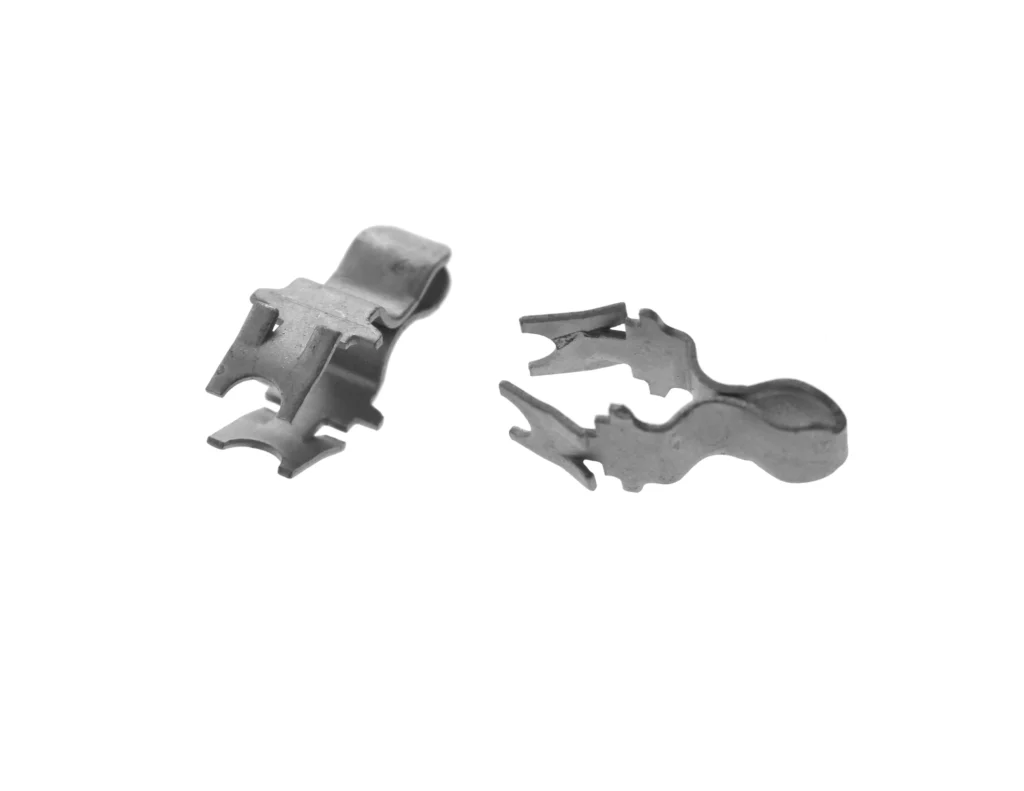
Most dryer door catches fail between years 5 and 8, but I've seen them last 15+ years with proper care. The 279570 door catch kit takes about 30 seconds of abuse every single load — that's over 3,000 slams per year for the average household. Here's how to make yours last.
How Long Should It Last?
A properly maintained door catch should give you 8-12 years of service. The plastic striker and metal catch assembly are designed for roughly 50,000 open/close cycles. But here's what actually happens: people slam doors, kids hang on them, and lint buildup creates friction that wears the catch prematurely.
The catch mechanism itself is simple — a spring-loaded hook grabs the striker plate when you close the door. The spring weakens over time, the plastic striker develops grooves, and eventually the door won't stay closed or clicks but doesn't catch.
Signs It's Wearing Out
Your door catch doesn't fail suddenly. It gives you warnings:
Door Requires Multiple Attempts to Latch
You close it once — nothing. Close it harder — still nothing. Third time with your knee braced against it — finally clicks. That's the spring losing tension. The catch can't grab the striker with normal force anymore.
Door Pops Open During Cycle
Mid-cycle, you hear the dryer stop and find the door ajar. Vibration from the drum is enough to overcome the weakened catch. This is particularly common on models like the WED9550WL0 and WED9470WW series where the motor mounts directly beneath the door assembly.
Visible Groove in the Striker Plate
Open your door and look at the white or beige plastic piece on the door itself — that's the striker. Run your finger across it. Feel a groove or divot? That's wear from thousands of catches. Once that groove gets deep enough, the metal hook can't engage properly.
Maintenance That Actually Works
Every Month: Vacuum the Catch Area
Pull your door open and vacuum around the catch mechanism on the dryer frame. Lint accumulates here like crazy, especially if you dry heavily-shedding items. That lint creates friction and prevents smooth engagement.
Every 6 Months: Check the Strike Alignment
Close your door slowly and watch how the striker enters the catch. It should slide in centered, not scraping one side. If it's hitting off-center, the door hinges may need tightening. Loose hinges cause misalignment, which accelerates wear on both the striker and catch.
What NOT to Do
Don't lubricate the catch mechanism. I know it seems logical, but oil attracts lint and creates a grinding paste that wears the plastic faster. Don't slam the door — teach everyone in your house to close it firmly but not aggressively. And don't hang wet clothes over the open door to "air out" — that puts sideways stress on the hinges and throws off alignment.
When to Replace vs Maintain
If your door still closes securely on the first try and stays closed during operation, maintenance is enough. Once you're up to 2-3 attempts per close, or the door pops open during cycles, it's replacement time. The 279570 kit runs about $10 and takes 10 minutes to install — there's no value in nursing a failing catch.
For models like the LTE5243DQ6, EED4300TQ0, or any of the Kenmore 110-series dryers, this catch design is identical. One kit fits dozens of models, which is why it's worth keeping a spare on hand if your dryer is over 7 years old.
Frequently Asked Questions
Can I just replace the striker instead of the whole catch?
The 279570 kit includes both the striker (door side) and the catch assembly (frame side). You can technically buy just the striker, but when one side is worn, the other usually is too. Replace both together or you'll be back in there in six months.
Why does my door catch work fine when empty but fails with clothes inside?
Weight. A full drum creates vibration that tests the catch's holding strength. If it only fails when loaded, the spring tension is borderline. You might get another month or two, but replacement is imminent.
Will a worn catch damage my dryer drum or motor?
Not directly, but if your door pops open mid-cycle, the dryer's safety switch kills power immediately. Repeated mid-cycle shutdowns can stress the motor's start capacitor. Fix the catch before it creates bigger problems.
Element showing wear?
279570 · Replace before it fully fails