
How to Replace 134511600 Washer Drive V-Belt on Frigidaire Washers — Step-by-Step
Always disconnect power before working on the washer — even with controls off, live voltage may be present at electrical components
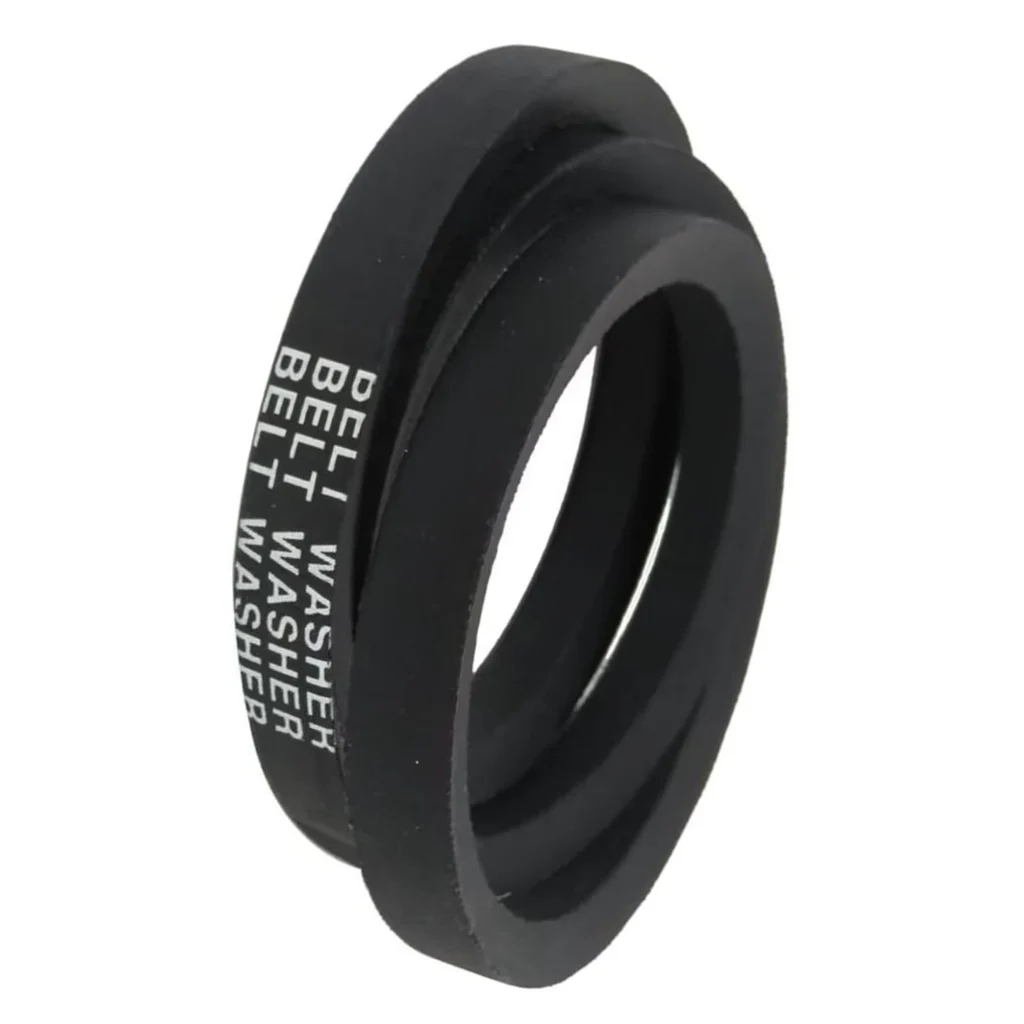
Your Frigidaire washer stops mid-cycle, leaving a tub full of soaking wet clothes. You hear the motor running, but the drum isn't spinning. That burning rubber smell hits you — it's the classic sign of a worn drive belt slipping on the pulleys. One user put it perfectly: "I replaced the idler pulley, drive belt, and while I was at it, also replaced the snubber ring. I found step by step videos on YouTube which enabled me to do the repairs myself."
The 134511600 drive V-belt connects your washer's motor to the transmission, and when it wears out or breaks, you'll see symptoms like slow spinning, loud noises during agitation, or complete failure to drain. This belt fits Frigidaire, Kenmore, Gibson, and Westinghouse models including GLWS1233AS1, GLWS1339ES0, GLWS1649AS1, and dozens more. Here's how to swap it out in under 30 minutes.
What You Need Before Starting
This is one of the easier washer repairs you'll tackle. Grab these tools before you start:
- Pliers (for clamps and spring clips)
- Screwdrivers (Phillips and flat-head)
- Socket set (typically 1/4" or 5/16" for cabinet screws)
- Work gloves (belt edges can be sharp)
- Towels (to catch residual water)
Repair Time: 15-30 minutes
Difficulty: Easy
Safety First
Unplug the washer from the wall outlet — never work on an appliance with power connected. Even with the controls off, voltage can be present. Pull the washer away from the wall so you've got room to access the back panel. If your washer still has water in the tub, run a drain cycle first or manually bail it out to avoid a messy floor.
Step 1: Remove the Back Access Panel
Use your socket set to remove the screws securing the back panel of your Frigidaire washer. Most models have 4-6 screws around the perimeter. Set the panel aside — you'll now see the motor, transmission pulley, and the old belt (or what's left of it if it snapped). Check the condition while you're here: if the belt looks glazed, cracked, or has chunks missing, you caught it just in time.
Step 2: Release Tension and Remove the Old Belt
The motor typically mounts on a bracket with tension springs or bolts that keep the belt tight. You'll need to push the motor toward the transmission pulley to create slack. Some models have an idler pulley — if yours does, release its tension first. Once there's slack, slip the old belt off the motor pulley, then off the transmission pulley. One user noted: "I replaced the spin bearing, tub seal, washer and drive belt since I had it all apart. The video was extremely helpful." If you're in there already, inspect those other components too.
Step 3: Route the New 134511600 Belt
Loop the new belt around the motor pulley first, making sure the grooves on the belt line up with the grooves on the pulley. Then stretch it over to the larger transmission pulley. The belt should sit deep in both pulleys — if it's riding on the edges, you'll get slippage and burning smells all over again. This is where having that spring tension released makes life easier. Don't force it; the belt should slide on with firm pressure.
Step 4: Restore Tension and Check Alignment
Pull the motor back to its original position to restore belt tension. If your model has an adjustable motor mount, you want about 1/2" to 3/4" of deflection when you press on the belt midway between pulleys. Too tight and you'll wear out bearings; too loose and the belt slips under load. Spin the transmission pulley by hand — the belt should track smoothly without wobbling or jumping. If it hops off, check your pulley alignment.
Step 5: Reassemble and Test
Reinstall the back panel with all screws secure. Plug the washer back in and push it into position. Run a spin cycle without clothes first — listen for smooth operation. The motor should engage immediately, and you shouldn't hear squealing or slapping sounds. If the washer spins quietly and builds up speed properly, you're done. Load it up with a test load and verify it agitates and drains normally. That burning smell? Gone.
Testing After Installation
Run through a complete wash cycle to confirm everything's working. Check for these signs of success: the tub spins at full speed during the spin cycle, agitation is strong and consistent during wash, no burning rubber smell appears, and the washer drains completely. If you notice the washer is still noisy or pumps but won't spin, you might have a failing idler pulley or worn transmission bearings — that belt you just replaced will help diagnose those issues by eliminating slippage as the cause.
Frequently Asked Questions
How do I know if my washer belt is bad?
You'll see symptoms like slow or no spinning, burning rubber smell during operation, or the motor running but the drum not moving. If you can manually rotate the drum too easily with the washer unplugged, the belt is either broken or completely worn out. A glazed, cracked, or frayed belt needs immediate replacement.
Can I use a different belt if 134511600 is out of stock?
The 134511600 replaces part numbers AP3867042, PS1146950, 131686100, and 1156860 — these are all functionally identical. Don't substitute with a generic automotive V-belt; appliance belts are designed for the specific pulley sizes and loads in washers. Using the wrong belt leads to slippage, overheating, and premature failure.
Should I replace the idler pulley at the same time?
If your washer has been noisy or the old belt shows uneven wear on one side, inspect the idler pulley for roughness or wobble. As one DIYer mentioned: "I replaced the idler pulley, drive belt, and while I was at it, also replaced the snubber ring." The idler pulley costs around $15-20 and you're already in there, so it's smart preventive maintenance if it shows any wear.
Check belt tension by pressing midway between pulleys — you should get 1/2" to 3/4" deflection with firm thumb pressure for optimal performance
Need the part for this repair?
134511600 · In Stock · Ships next business day